

Gold has always been one of the most preferred investment and jewellery choices in India. Whether you are buying jewellery for daily wear, weddings, or investment purposes, understanding the difference between 22K and 24K gold is essential. Many buyers often get confused about purity, durability, pricing, and suitability when selecting gold jewellery.
Knowing how different gold purities work can help you make smarter purchasing decisions while also helping you evaluate factors like the 22 carat gold rate today and the overall today gold rate before making a purchase.
What Does Gold Karat Mean?
The purity of gold is measured in karats (K). Pure gold is considered 24 karats, while lower karat values indicate that the gold has been mixed with other metals like copper, silver, zinc, or nickel.
The higher the karat value, the purer the gold content.
Here’s a simple breakdown:
- 24K Gold = 99.9% pure gold
- 22K Gold = 91.6% pure gold and 8.4% other metals
The addition of other metals increases durability and makes the jewellery stronger for everyday use.
What is 24K Gold?
24K gold is the purest form of gold available in the market. It has a bright yellow appearance and is highly valuable due to its purity.
Features of 24K Gold
- Contains almost pure gold
- Softer and more delicate
- Less suitable for intricate jewellery designs
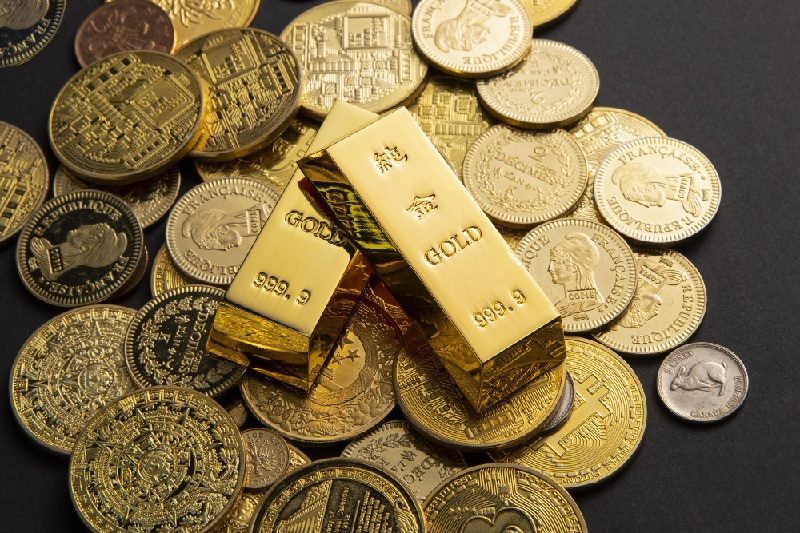
- Commonly used for coins and investment bars
- Higher price due to maximum purity
Because pure gold is naturally soft, 24K gold jewellery can bend or scratch easily. This makes it less practical for regular jewellery wear.
When checking the today gold rate, you may notice that 24K gold is usually priced higher than 22K gold due to its greater purity level.
What is 22K Gold?
22K gold contains 91.6% gold and the remaining percentage consists of alloyed metals. These added metals improve strength and durability, making it more suitable for jewellery.
Features of 22K Gold
- More durable than 24K gold
- Ideal for jewellery making
- Better suited for daily wear
- Available in a wide range of designs
- Slightly lower purity compared to 24K gold
Most traditional Indian jewellery is made using 22K gold because it balances purity and durability effectively.
Before buying ornaments, many buyers track the 22 carat gold rate today to estimate jewellery costs and compare market prices.
22K vs 24K Gold: Key Differences
Purity
The biggest difference between 22K and 24K gold is purity. While 24K gold is almost entirely pure, 22K gold contains additional metals for strength.
If your priority is investment purity, 24K gold may be the preferred option. However, for wearable jewellery, 22K gold is generally more practical.
Durability
24K gold is softer and can get damaged more easily. In contrast, 22K gold is stronger and more durable due to the presence of alloy metals.
For everyday jewellery such as chains, bangles, earrings, and rings, 22K gold is usually the better choice.
Pricing
24K gold is more expensive because of its higher purity. Jewellery made from 22K gold may cost slightly less, although making charges and design complexity also influence final pricing.
Checking the today gold rate regularly can help buyers understand market fluctuations before purchasing jewellery.
Usage
24K gold is commonly preferred for:
- Gold coins
- Investment bars
- Digital gold investments
22K gold is preferred for:
- Wedding jewellery
- Daily wear jewellery
- Designer ornaments
Which Gold is Better for Jewellery?
For jewellery purposes, 22K gold is generally considered the better option. Since jewellery items are worn regularly, they require strength and durability.
The added metals in 22K gold make it easier to create detailed and attractive designs while reducing the risk of damage.
If you are looking for:
- Daily wear jewellery → Choose 22K gold
- Investment-focused gold → Choose 24K gold
- Bridal jewellery → 22K gold is commonly preferred
How to Check Gold Purity
Before buying gold jewellery, always verify its authenticity and purity.
Look for Hallmark Certification
Hallmarking confirms the purity of gold and ensures that the jewellery meets quality standards.
For 22K gold jewellery, you may find markings like:
- 916 Hallmark (indicates 91.6% purity)
For 24K gold:
- 999 Hallmark (indicates 99.9% purity)
Always purchase hallmarked jewellery from trusted jewellers to avoid quality concerns.
Factors to Consider Before Buying Gold Jewellery
Purpose of Purchase
Decide whether you are buying gold for investment, gifting, weddings, or personal use. Your purpose will help determine the right purity level.
Budget
Gold prices fluctuate daily based on market conditions. Monitoring the 22 carat gold rate today can help you plan your purchase better and stay within budget.
Making Charges
Jewellery prices are not based only on gold weight. Making charges and GST also increase the final cost.
Intricate jewellery designs usually have higher making charges.
Resale Value
Both 22K and 24K gold offer resale value, but purity and hallmark certification play an important role in determining the final resale amount.
Is 24K Gold Good for Daily Wear?
Although 24K gold is highly pure, it is not ideal for regular jewellery usage because it is soft and delicate. Frequent use can lead to scratches, dents, or bending.
For people looking for durable and long-lasting jewellery, 22K gold remains the more practical option.
Final Thoughts
Choosing between 22K and 24K gold depends entirely on your needs and preferences. If you want pure gold mainly for investment purposes, 24K gold is an excellent option. However, if you are purchasing jewellery for regular wear, weddings, or special occasions, 22K gold provides the perfect balance of purity and durability.
Before making a purchase, compare prices, verify hallmark certifications, and monitor the today gold rate to make informed decisions. Understanding purity differences can help you select jewellery that suits both your lifestyle and financial goals.
