

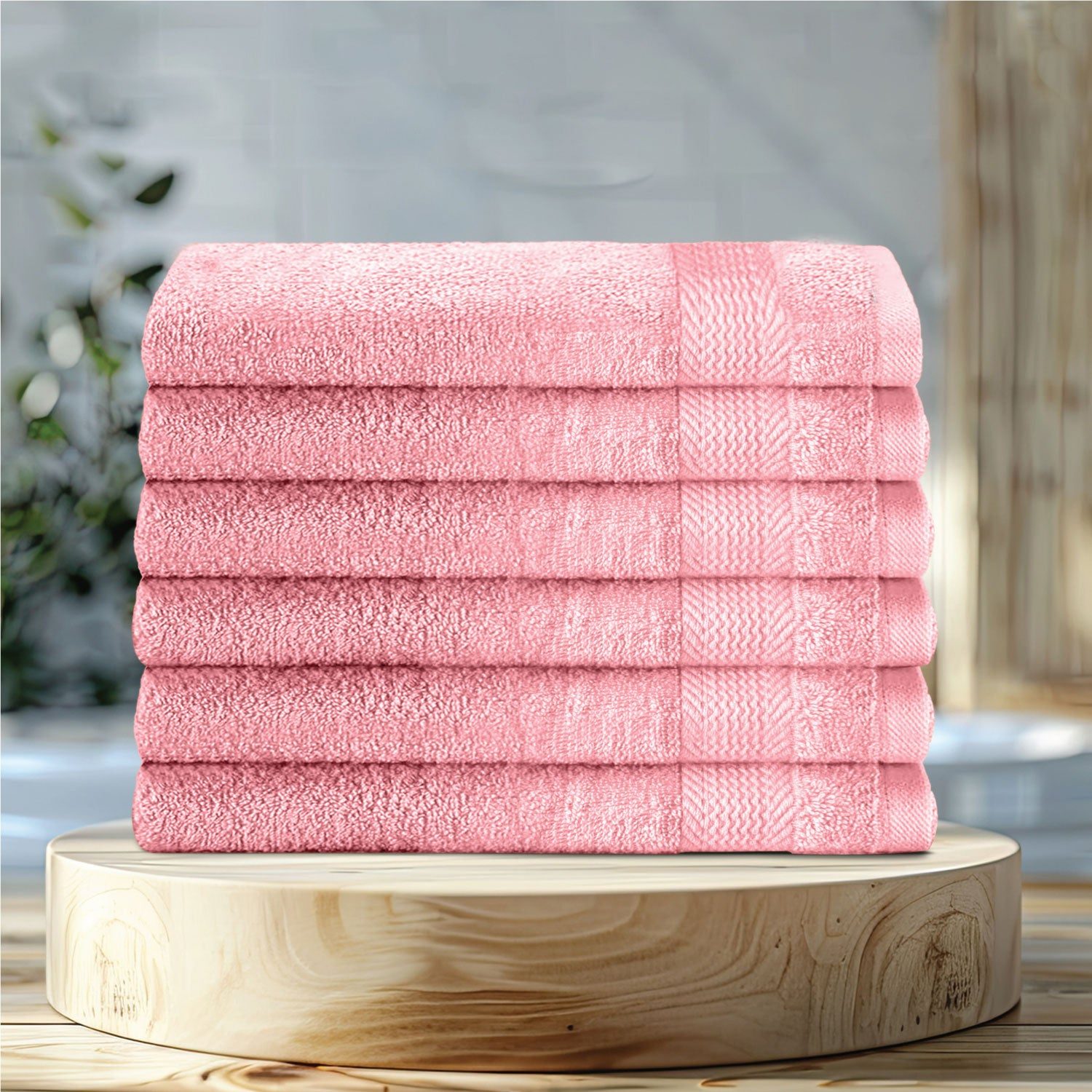
When it comes to personal hygiene, we often focus on washing hands, keeping our clothes clean, or maintaining a tidy bathroom. But there’s one everyday habit many people don’t think twice about—sharing towels. Whether it’s with a family member, friend, partner, or child, sharing a towel might feel harmless. After all, it’s just fabric, right?
Not quite.
Towels are one of the most bacteria-friendly items in your home, and using someone else’s towel—or letting someone use yours—can expose you to germs, infections, and skin issues you never expected.
Let’s break down the real hygiene facts about towel sharing and why experts recommend avoiding it completely.
1. Towels Trap Moisture—Which Makes Them a Breeding Ground for Germs
A towel’s job is simple: absorb water. But what happens to all that moisture after you hang it in the bathroom?
Most bathrooms stay warm and humid—perfect conditions for:
- Bacteria
- Fungi
- Mold
- Yeast
When you dry your hands, face, or body, your towel doesn’t dry immediately. The dampness lingers, allowing microorganisms to multiply.
Now imagine sharing that towel with someone else. Whatever bacteria was growing on their skin, sweat, or hands has already transferred to the towel—and now it’s transferring to your skin too.
2. Sharing Towels Can Spread Skin Infections
Some skin conditions are contagious, even if they don’t look severe. Shared towels can easily transmit:
• Fungal infections
Ringworm, athlete’s foot, and body fungus spread rapidly through shared fabrics.
• Bacterial infections
Staph infection, folliculitis, and MRSA (in rare cases) can transfer from skin to towel to another person.
• Viral infections
Certain viruses that cause warts or cold sores can survive on towels long enough to spread.
Even if the other person “looks clean,” bacteria and fungus may be present on their skin without obvious symptoms.
3. Face Towels Spread Acne-Causing Bacteria
Sharing face towels is even riskier.
Why?
Your face is more sensitive to:
- Acne bacteria
- Oils
- Dead skin
- Makeup residue
If you use someone else’s towel, you’re wiping their bacteria directly onto your pores.
This can lead to:
- Breakouts
- Skin irritation
- Redness
- Clogged pores
Dermatologists strongly recommend using personal face towels—and washing them frequently.
4. Body Fluids Stay on Towels Longer Than You Think
Towels often come into contact with substances we don’t notice, such as:
- Sweat
- Dead skin cells
- Natural body oils
- Saliva
- Residual soap
- Sometimes even blood (small cuts, shaving nicks)
These liquids and particles linger in towel fibers even after the towel appears dry.
Sharing towels = sharing someone else’s body residue.
That alone is a reason to stop the habit!
5. Towels Can Cause Cross-Contamination Between Family Members
Even in families, hygiene needs vary.
A person with:
- Dandruff
- Eczema
- Athlete’s foot
- Acne
- Allergies
- Sensitive skin
…can easily spread or worsen these conditions by sharing towels.
Children are especially vulnerable because their immune systems are still developing.
Each family member should have their own towel, ideally in a different color to avoid mix-ups.
6. You Could Be Reducing Your Towel’s Lifespan
Sharing towels means more:
- Bending
- Twisting
- Soiling
- Moisture buildup
- Friction
This wears out the fibers faster.
Your towel becomes:
- Less fluffy
- Less absorbent
- More prone to odor
- More likely to develop mildew
Personal use helps extend towel quality and keep them fresher for longer.
7. Odor Isn’t Just a Smell—It’s a Warning Sign
If your towel smells strange—even after drying—it’s likely filled with:
- Bacteria
- Yeast
- Fungal spores
Sharing a towel that smells “off” increases your risk of irritation and infection.
Remember:
A smelly towel is not dirty because it was used—it’s dirty because it was left damp too long.
8. Towels Should Be Washed More Frequently Than You Think
Most people assume towels need washing once a week.
But hygiene experts recommend:
- Bath towels: every 3 uses
- Face towels: daily
- Hand towels: every 2–3 days
- Gym towels: after every use
If you’re sharing towels, this frequency should double—which isn’t practical.
Having personal towels helps maintain hygiene without constant laundry.
9. Even “Sharing with Your Partner” Isn’t as Safe as It Seems
Couples often assume sharing towels is harmless.
But even partners have different:
- Skin pH
- Sweat levels
- Microbiomes
- Allergies
- Hair and body products
What suits one person’s skin may irritate another’s.
Couple-sharing can transfer bacteria that cause:
- Back acne
- Fungal patches
- Facial irritation
It’s healthier (and more hygienic) to keep towels personal while sharing everything else.
Final Verdict: A Towel Is Personal—Not Shareable
A towel may look clean, feel clean, and smell fine… but it carries more microorganisms than you imagine.
Sharing towels increases the risk of skin infections, acne, irritation, and bacterial transfer—and it shortens the lifespan of the towel itself.
So the rule is simple:
✔ Use your own towel
✔ Wash it regularly
✔ Keep it dry
✔ Avoid sharing—even occasionally
This small hygiene habit can significantly improve your overall health and keep your skin clean and safe.
