

A new semester often begins with clear goals of longer study hours, better grades, and fewer distractions. Everything is planned, yet within weeks, neck stiffness appears, lower back pain interrupts revision, and focus drops faster than expected.
In fact, research shows that prolonged sitting without proper support increases spinal pressure and restricts blood flow, which directly affects concentration.
When the body struggles to stay aligned, the mind loses efficiency. If study hours feel exhausting instead of productive, then the chair may be the silent reason.
The main problem is not about comfort alone, but it is about your posture support and movement control.
What Actually Goes Wrong with an Ordinary Chair?
Most households use dining chairs, sofas, or plastic chairs for study and work. These seating options lack lumbar contour and proper back tilt.
1. Flat Back Support Creates Lower Back Strain
A straight wooden or plastic backrest does not follow the natural curve of the spine. Over time, this causes the pelvis to tilt backward and when this happens, spinal discs compress unevenly. For example, orthopaedic specialists often observe that students who sit more than 5 hours daily without lumbar support report early signs of lower back discomfort within 3 to 6 months.
2. Incorrect Seat Height Disrupts Blood Circulation
If the knees sit higher than the hips, pressure builds under the thighs. If the seat is too high, feet dangle and increase strain on hamstrings. Ergonomic guidelines also recommend that knees remain at a 90-degree angle with feet flat on the floor. A properly designed best study chair for students allows seat height adjustment between 16 and 21 inches to match desk height accurately.
3. No Arm Support Increases Shoulder Fatigue
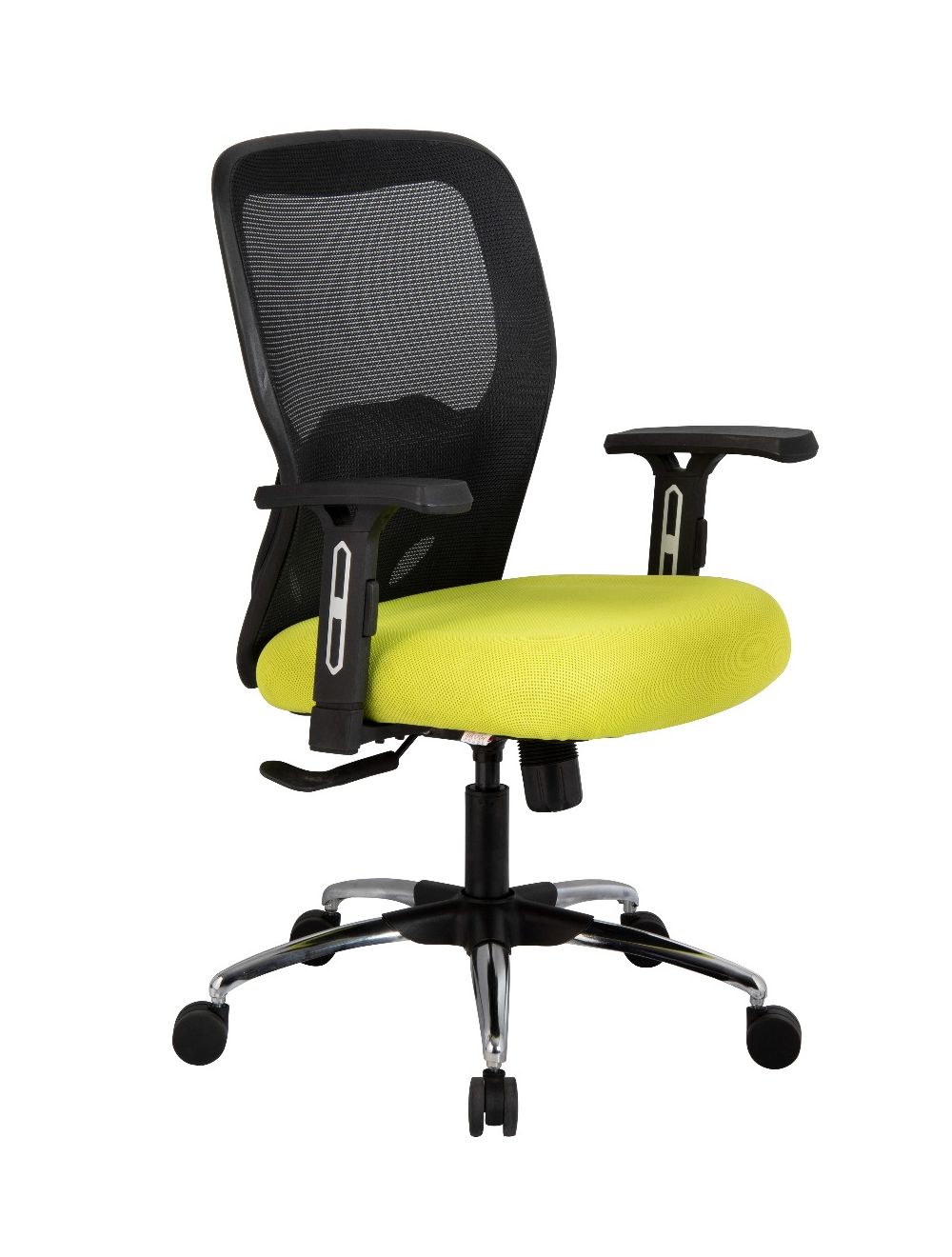
Unsupported elbows force shoulders to stay high, and this leads to tight trapezius muscles and headaches. In such cases, adjustable armrests reduce this strain and improve typing posture significantly.
How to Fix the Problem: Features That Truly Matter
Buying a chair without understanding the details often leads to another uncomfortable purchase. So, instead of focusing on appearance, you should always evaluate measurable factors.
-
Check Lumbar Depth and Position
Lumbar support should align exactly with the natural curve of the lower back, not the middle of the spine. When it sits at the correct height and offers adjustment, it helps maintain the spine’s natural S-shape during long study hours and prevents gradual slouching.
-
Look for Breathable Back Material
Mesh allows airflow and prevents heat buildup during extended sessions, while dense foam without ventilation traps warmth and increases restlessness.
-
Test Tilt Lock and Recline Range
A backrest that reclines between 90 and 120 degrees allows a smooth transition between writing, reading, and screen work. This flexibility becomes especially important in a work from home chair, where posture shifts frequently throughout the day.
-
Verify Seat Depth
Seat depth should leave about 2–3 inches between the seat edge and the back of the knees. Excess depth pushes the body forward into a slouch, while insufficient depth reduces thigh support and increases pressure on the hips.
Should You Buy Study Chairs Online?
When purchasing study chairs for students online, always check technical specifications instead of relying only on images. Look for:
- Gas lift mechanism certification
- Weight capacity rating
- Warranty period (minimum 1–2 years)
- Clear seat and back measurements
Avoid vague descriptions such as “comfortable padding” without dimensions. Always look for product sheets and signal manufacturing transparency.
The Long-Term Impact
The right chair protects posture, supports concentration cycles, and improves overall productivity. In educational environments and remote work setups, seating quality directly influences performance.
Platforms like Impulsive Lane often discuss home improvement decisions, but the chair you choose is not a minor upgrade. It is a daily infrastructure for focus and health.
At the end of your study session, you should end with completed chapters, not muscle fatigue. The difference often comes down to correct alignment and informed chair selection.
