

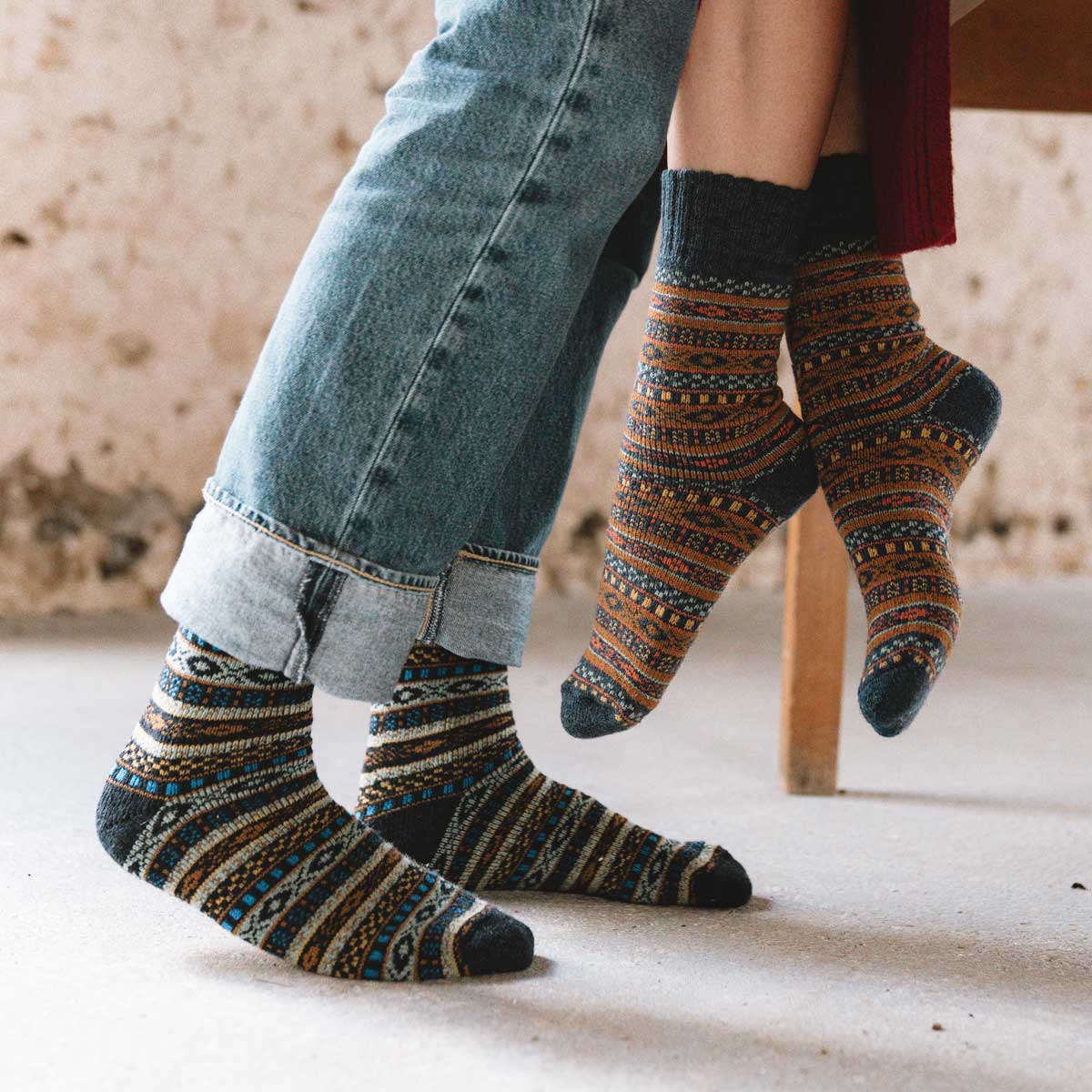
When it comes to staying warm and comfortable during cold weather, thermal warm socks for men are a must-have. But not all thermal socks are created equal. One critical feature that distinguishes high-quality thermal socks is their moisture-wicking ability. Moisture-wicking technology plays a pivotal role in maintaining dry, warm feet by efficiently managing sweat and external moisture. Explores why moisture-wicking is so important in thermal warm socks for men, how it works, and the benefits it offers, especially in extreme cold or active situations.
What Is Moisture-Wicking?
Moisture-wicking refers to the ability of a fabric to draw moisture such as sweat away from the skin to the outer surface of the material, where it can evaporate quickly. Unlike traditional fabrics that absorb moisture and hold it close to the skin, moisture-wicking fabrics keep the skin dry by continuously moving moisture away. In thermal warm socks, this technology is essential because moisture buildup can lead to cold, damp feet, which increases discomfort and the risk of cold-related injuries like frostbite.

How Moisture-Wicking Works in Thermal Socks
Moisture-wicking fabrics are typically made from synthetic fibers such as polyester, nylon, or specialized blends. These fibers have a unique structure that allows them to channel sweat away from the skin’s surface. The process works through capillary action—a phenomenon where liquids travel along narrow spaces within the fibers. Some thermal socks also incorporate natural fibers like Merino wool, which has inherent moisture-wicking properties. Merino wool absorbs moisture vapor but doesn’t hold it against the skin, thus keeping feet dry and comfortable.
Why Moisture-Wicking Is Crucial in Thermal Warm Socks for Men
Prevents Cold and Damp Feet
Cold feet are often caused by moisture accumulation. Sweat or external water trapped inside socks can quickly chill the skin, leading to discomfort and even pain. Moisture-wicking socks help keep feet dry, preventing the chilling effect caused by dampness and ensuring warmth is maintained.
Reduces Risk of Frostbite and Hypothermia
Wet, cold feet significantly increase the risk of frostbite, a serious condition where skin and underlying tissues freeze due to extreme cold. Moisture-wicking socks maintain dry feet by pulling sweat away, which helps preserve body heat. Keeping feet dry is also critical in preventing hypothermia, where the body loses heat faster than it can produce it.
Enhances Comfort During Physical Activity
Men who engage in outdoor winter activities such as hiking, skiing, or snowboarding often sweat even in freezing temperatures. Moisture-wicking socks prevent that sweat from pooling inside the sock, which would otherwise cause friction, blisters, and discomfort. Dry feet mean less irritation and more comfort, allowing for longer, more enjoyable outdoor experiences.
Promotes Healthy Skin and Prevents Infections
Moist environments are breeding grounds for fungal and bacterial infections like athlete’s foot. By efficiently removing moisture, thermal socks reduce the likelihood of fungal growth and keep feet healthier. This is especially important for men prone to foot infections or those who spend long hours wearing socks in cold, damp conditions.
Maintains Thermal Efficiency of Socks
Thermal socks rely on trapped air layers to insulate and retain heat. When socks become wet from sweat or external moisture, their insulating ability diminishes drastically. Moisture-wicking keeps the insulating layers dry and effective, ensuring that the socks perform optimally to keep feet warm.

Choosing Moisture-Wicking Thermal Warm Socks for Men
To fully benefit from moisture-wicking properties, it’s essential to choose thermal socks made from the right materials and designed with proper technology.
Material Selection
-
Merino Wool: Naturally moisture-wicking, breathable, and odor-resistant, Merino wool is a top choice for thermal socks. It absorbs moisture vapor without feeling wet and dries quickly.
-
Synthetic Fibers: Polyester and nylon are commonly used in moisture-wicking socks for their durability and ability to pull moisture away from the skin.
-
Blends: Many high-performance thermal socks combine wool and synthetics to balance warmth, moisture management, and durability.
Sock Construction
Look for socks with ventilation zones or mesh knitting patterns in areas prone to sweating, such as the top of the foot. These features enhance airflow and improve moisture evaporation.
Fit and Comfort
A snug, well-fitting sock prevents moisture buildup caused by friction and movement. Elastic arch support and cushioned soles also contribute to overall comfort during prolonged wear.
Caring for Moisture-Wicking Thermal Socks
Proper care preserves the moisture-wicking properties of thermal socks:
-
Wash socks in cold water on a gentle cycle.
-
Avoid fabric softeners, which can clog fibers and reduce wicking ability.
-
Air dry to prevent heat damage.
-
Rotate socks to minimize wear and maintain performance.
Why Nordic Socks Are the Best Choice for Moisture-Wicking Thermal Warm Socks
At Nordic Socks, we prioritize both warmth and moisture management in our thermal socks for men. Our premium Merino wool blends and advanced synthetic fibers provide superior moisture-wicking capabilities, ensuring your feet stay dry and comfortable in any cold environment. With ergonomic cushioning and durable construction, Nordic Socks deliver unmatched performance and protection, whether you’re hiking, working outdoors, or navigating daily winter routines.

Conclusion
Moisture-wicking is a fundamental feature that makes thermal warm socks for men effective in cold weather. By drawing sweat away from the skin and allowing it to evaporate, moisture-wicking socks keep feet dry, warm, and comfortable. This not only enhances comfort but also protects against frostbite, infections, and reduced insulation caused by dampness. Choosing high-quality thermal socks with excellent moisture-wicking properties, like those from Nordic Socks, is essential for anyone facing cold climates or engaging in outdoor winter activities. Proper care and fit further maximize the benefits, ensuring your feet stay protected and comfortable all season long.
FAQs
Can moisture-wicking socks be worn year-round?
Yes, moisture-wicking socks are beneficial in all seasons as they keep feet dry and comfortable, but thermal versions are specifically designed for cold weather.
How does Merino wool wick moisture compared to synthetics?
Merino wool absorbs moisture vapor and releases it quickly, while synthetics actively pull liquid sweat away from the skin for evaporation.
Will moisture-wicking socks help prevent blisters?
Yes, by keeping feet dry and reducing friction, moisture-wicking socks help prevent blisters and skin irritation.
Can I use fabric softener with moisture-wicking socks?
No, fabric softeners can clog the fibers and reduce the socks’ moisture-wicking effectiveness.
How often should I replace my thermal moisture-wicking socks?
Depending on use and care, replacing socks every 6 to 12 months is recommended to maintain optimal performance.
