

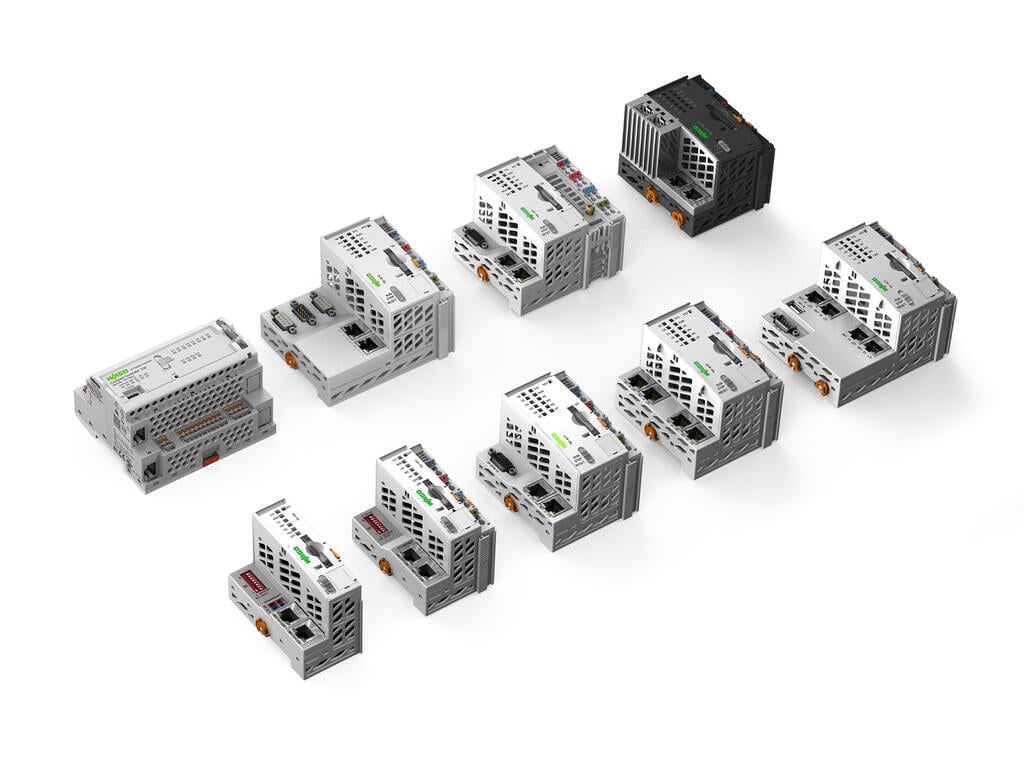
Industrial plants run on continuity. You and your teams expect PLC Controllers to execute logic, scan inputs, and push outputs every second of every day, often with no human in the loop. In these unattended environments, power quality becomes a first-order reliability driver rather than a background utility.
A small voltage swing can ripple into a major control event. That is why IEC compliance sits at the center of modern electrical design. It is not a promise of top-tier performance, yet it is a mandatory engineering baseline that supports safety, interoperability, and regulatory acceptance across global panels.
Voltage Stability Directly Impacts PLC Controller Reliability
Voltage stability is not a nice-to-have. It is a hard technical dependency. In the first layer of every control cabinet, Power Supply Modules convert raw AC or DC into the regulated rails that PLC Controllers depend on to think, talk, and act. When this conversion drifts, logic execution becomes unstable.
Sustained undervoltage slows internal clocks and weakens the IO drive. Overvoltage does the opposite and pushes silicon beyond its comfort zone. Both conditions raise the risk of unexpected controller resets, corrupted data blocks, and lost memory states. Communication links also suffer, so field devices may report values that look real but are not.
A tightly regulated DC output creates a predictable electrical envelope. It holds steady even when loads change or cabinet temperature rises. This stability lets your PLC run its scan cycle, manage buffers, and keep protocols alive without hidden errors creeping in.
IEC Standards Define Minimum Electrical and Thermal Safety Margins
IEC standards do not exist to make products better. They exist to make systems safe and acceptable. These standards define minimum levels for insulation strength, surge immunity, creepage distances, and protection features. Meeting them means a power supply can survive normal electrical stress without becoming a hazard.
For you as a system owner, IEC compliance signals that the module can operate inside known environmental and electrical limits. It also aligns your panel with global regulatory frameworks, which simplifies audits and export approvals.
There is a critical distinction here. Passing IEC tests only proves that the unit meets thresholds. It does not prove that it will last for decades in a hot cabinet. Higher performance designs go beyond the baseline by adding margin, better parts, and deeper thermal control. Still, IEC compliance remains the gatekeeper that lets any serious design enter the field.
Power Supply Modules Influence System Availability and Uptime
Availability is the real business metric. When a control system stops, production, safety, and data flows all break at once. Power architecture plays a direct role in how often that happens.
Many long-life PLC installations use redundancy to avoid single points of failure. Two or more Power Supply Modules share the load, so one unit can fail without pulling down the PLC. Load sharing and current reserve also matter. They let the system absorb short surges when actuators start or networks wake up.
After a power dip or a full outage, recovery speed becomes critical. A well designed supply ramps up in a controlled way so the PLC can boot cleanly. That reduces lockups, partial startups, and hard-to-trace faults.
Long Life Installations Demand Proven Power Conversion Design
Time is the silent stressor. Components age because heat, voltage, and current never take a break. Capacitors dry out, semiconductors shift, and solder joints fatigue.
High-efficiency designs cut internal heat. Conservative derating keeps parts away from their limits. Extra thermal headroom gives the module space to breathe even when the cabinet runs hot. These factors reduce maintenance events and lower the chance of sudden failure.
At first, a more robust design can look excessive. Over time, it becomes the reason a PLC system keeps running when cheaper units drop out.
Conclusion
Power supply modules are not accessories. They are lifecycle critical elements inside every PLC controller installation. IEC compliance delivers safety and a baseline level of reliability that regulators and engineers can trust. Yet long-term stability depends on more than passing a standard.
When you evaluate a power architecture, prioritize proven electrical robustness, strong thermal performance, and disciplined design over short-term cost savings. That approach protects your controllers, your data, and your operation for the long run.
