

Walk through any supermarket in the United States today and one thing becomes immediately clear: dairy alternatives are no longer a niche category.
What began as a limited selection of soy-based beverages has evolved into a diverse product landscape that includes oat milk, almond yogurt, coconut-based frozen desserts, plant-derived creamers, and a growing range of cheese alternatives. More importantly, these products are no longer purchased exclusively by vegans or consumers with dietary restrictions. They are increasingly finding a place in mainstream shopping carts.
The growing popularity of dairy alternatives reflects broader shifts in consumer expectations around nutrition, sustainability, convenience, and product variety. As manufacturers continue to innovate and retailers dedicate more shelf space to these products, dairy alternatives are becoming a lasting feature of the modern food industry.
The Rise of the Flexible Consumer
One of the most notable changes in recent years has been the emergence of the flexitarian consumer. Rather than completely eliminating animal-based foods, many consumers are simply looking to diversify their diets by incorporating more plant-derived options into their daily routines.
This approach has significantly expanded the potential audience for dairy alternatives. Consumers may choose oat milk for their morning coffee, almond yogurt as a snack, or a plant-based creamer for convenience, without necessarily abandoning traditional dairy products altogether.
For manufacturers, this shift means success is no longer dependent on serving a niche audience. Products must appeal to a broader group of consumers who prioritize taste, quality, and functionality alongside dietary preferences.
Product Innovation Is Reshaping Expectations
Early generations of dairy alternatives often faced criticism for their taste, texture, and limited versatility. Today’s products tell a different story.
Advancements in food science and ingredient processing have enabled companies to develop products that more closely resemble conventional dairy experiences. Oats, almonds, peas, soybeans, and coconuts are being transformed into products that offer improved creaminess, consistency, and nutritional value.
Innovation is also extending beyond ingredients. Manufacturers are exploring fermentation technologies, protein optimization techniques, and cleaner ingredient formulations to meet growing consumer expectations.
As competition intensifies, innovation has become one of the most important ways brands can differentiate themselves in an increasingly crowded marketplace.
Sustainability Remains Part of the Conversation
Environmental concerns continue to influence purchasing decisions across many food categories.
Consumers are becoming more aware of how food production affects natural resources, greenhouse gas emissions, and overall environmental sustainability. While sustainability is rarely the sole reason behind a purchase, it often complements other motivations such as health, convenience, and dietary preferences.
This has encouraged food companies to improve transparency regarding ingredient sourcing, supply chain practices, and production methods. Consumers increasingly want to understand not only what they are eating but also how those products are made.
As awareness grows, sustainability is likely to remain an important consideration for both brands and shoppers.
Retail Availability Is Driving Adoption
Accessibility plays a critical role in the success of any food category.
A decade ago, many dairy alternatives could only be found in specialty health food stores. Today, they occupy prominent shelf space in major supermarkets, warehouse retailers, convenience stores, and online grocery platforms.
This increased availability has made it easier for consumers to experiment with new products and incorporate them into everyday routines. Retailers have also recognized that alternative dairy products can attract a wide range of shoppers, prompting continued investment in category expansion.
Greater visibility and accessibility are helping normalize dairy alternatives as a standard part of grocery shopping rather than a specialty purchase.
Consumers Are Looking Beyond Labels
Health remains a major factor influencing food choices, but consumers are becoming more informed and selective.
Rather than relying solely on front-of-package claims, many shoppers are examining ingredient lists, protein content, sugar levels, and nutritional profiles before making purchasing decisions.
This growing scrutiny is encouraging manufacturers to improve product formulations and communicate nutritional information more clearly. Transparency has become a competitive advantage in an industry where trust and product quality increasingly influence long-term brand loyalty.
Consumers today want products that align with their personal wellness goals while still delivering taste and convenience.
Challenges Continue to Shape the Industry
Despite growing acceptance, dairy alternatives still face several hurdles.
Pricing remains a concern for some consumers, particularly during periods of economic uncertainty. Many alternative products continue to carry a premium compared with traditional dairy options.
At the same time, manufacturers must balance consumer expectations for taste, nutrition, affordability, and sustainability. Meeting all of these demands simultaneously presents an ongoing challenge.
Brands that successfully address these concerns while continuing to innovate will likely be best positioned for long-term success.
Looking Ahead
The evolution of dairy alternatives reflects larger changes taking place throughout the food and beverage industry. Consumers are seeking greater flexibility, more transparency, and products that align with their personal values and lifestyles.
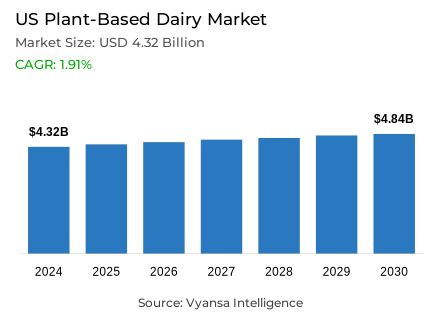
While future growth may not mirror the rapid expansion seen during the category’s early years, dairy alternatives have clearly established themselves as a permanent segment of the grocery landscape.
For food manufacturers, retailers, and industry observers, the continued development of dairy alternatives offers an important example of how consumer preferences can reshape entire product categories and influence the future direction of food innovation.
