

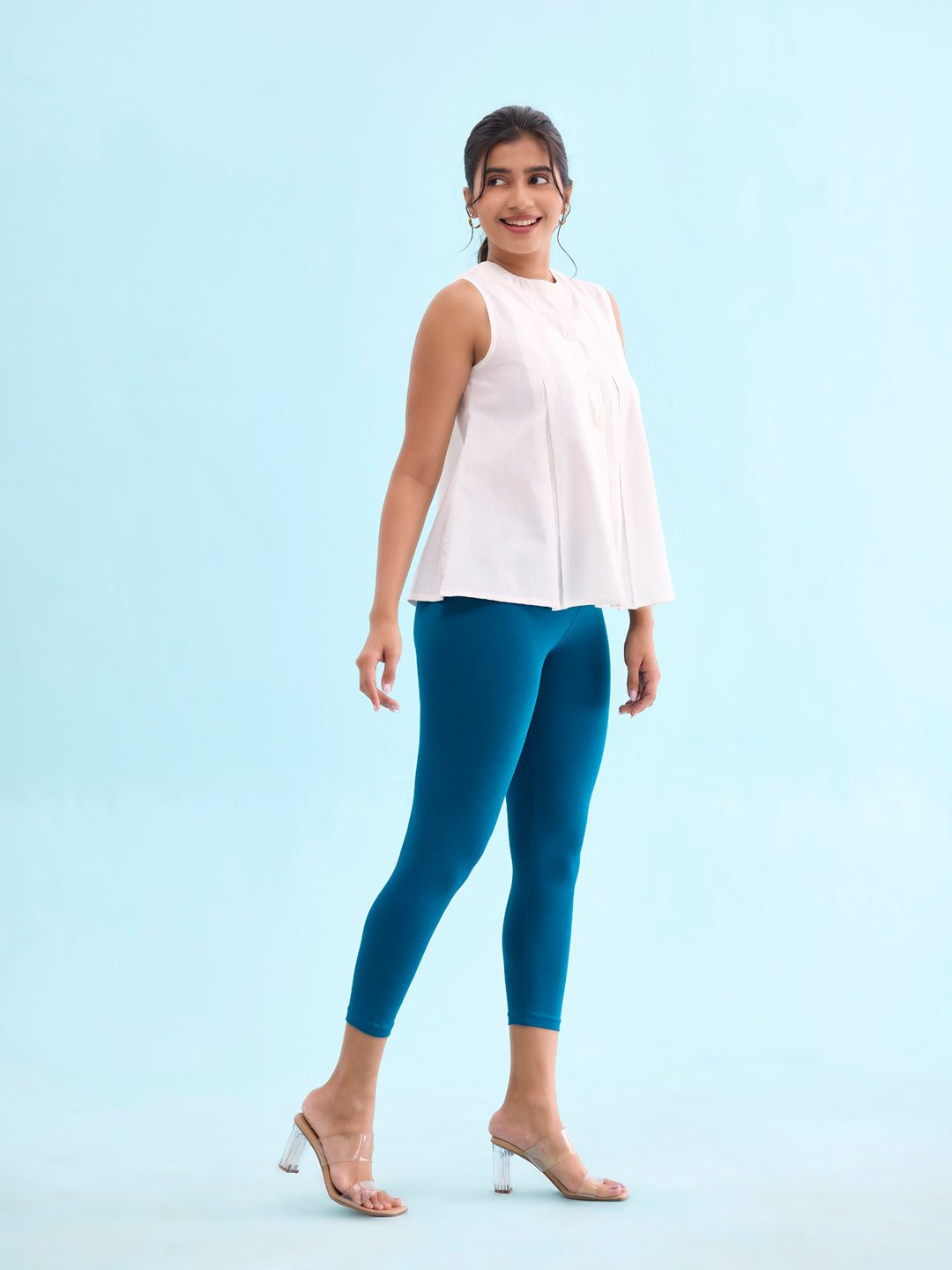
Leggings are a staple in many wardrobes because they are comfortable, versatile, and easy to style. But not all leggings are the same. Fabrics, construction, fit, and purpose vary a lot. Choosing the best type for daily wear depends on what you do during the day, your comfort needs, and how you like to style your outfits. This article explains the most common types of leggings, what each one is best for, and practical tips to help you pick the right pair for everyday use.
1. Plain cotton or cotton-blend leggings — the comfort classic
Cotton and cotton-blend leggings are soft, breathable, and gentle on the skin. They feel like loungewear, which makes them ideal for relaxed days, work-from-home, running errands, or low-intensity activities.
Pros:
- Comfortable and breathable.
- Natural feel — less likely to irritate sensitive skin.
- Easy to wash and care for.
Cons:
- Less shape retention over time (can stretch out).
- Not ideal for high-sweat workouts because they absorb moisture and dry slowly.
- Can be slightly sheer if the fabric is thin.
When to choose: If your daily life includes long hours at home, casual outings, or you prioritize comfort over performance, cotton-blend leggings are an excellent choice.
2. Nylon / Polyester blends with elastane (activewear leggings)
These are the typical “workout” leggings made from synthetic fibers (nylon or polyester) mixed with elastane (spandex/Lycra). They are stretchy, moisture-wicking, and bounce back to shape.
Pros:
- Great stretch and recovery — keep their shape.
- Moisture-wicking and quick-drying — suitable for active days.
- Often come in higher-rise options and with functional pockets.
- Tend to be more opaque, especially in good-quality brands.
Cons:
- Can feel less natural against the skin for some people.
- Lower breathability than pure cotton in very hot weather (but designs vary).
- Fabric pilling or fading can occur with cheaper options.
When to choose: For days that mix movement, commuting, and casual meetings — or whenever you want a polished, fitted look that still performs.
3. Compression leggings — support and posture
Compression leggings are tighter and designed to support muscles and improve circulation. They are commonly used for exercise but can be useful for daily wear when you need more support.
Pros:
- Provide firm support and reduce muscle fatigue.
- Smooth silhouette — great under longer tops or dresses.
- Often durable and structured.
Cons:
- Can feel tight or restrictive for all-day lounging.
- Higher price point for good compression garments.
When to choose: If your day involves long periods of standing, light physical activity, or you want a slimmer, streamlined look, moderate compression leggings are a good option.
4. Ponte and structured knit leggings — dressier daily wear
Ponte and similar woven-knit fabrics are thicker and more structured than typical leggings. They look closer to trousers while offering stretch and comfort.
Pros:
- Dressier appearance — great for office-casual looks.
- Thicker fabric reduces sheerness.
- Usually keeps shape very well.
Cons:
- Less stretchy than activewear — fit must be accurate.
- Can be warmer in hot climates.
When to choose: If your daily routine includes office work, meetings, or you want leggings that pair well with blazers and formal tops.
5. Jeggings and denim-style leggings — jean look, legging comfort
Jeggings mimic jeans but feel like leggings. They have a denim appearance with the stretch and ease of leggings.
Pros:
- Stylish jean-like look without the stiffness of real denim.
- Versatile for casual and semi-casual days.
- Comfortable for all-day wear.
Cons:
- Quality varies — some can look cheap or lose shape.
- Not as breathable as cotton.
When to choose: If you like the look of jeans but want greater comfort and freedom for daily activities.
6. Seamless and high-waist leggings — comfort and smooth lines
Seamless leggings are knitted in a tube then shaped with minimal seams. High-waist styles offer abdominal support and help leggings stay in place.
Pros:
- Fewer chafing seams — greater comfort for long wear.
- Smooth silhouette under clothing.
- High-waist options reduce constant readjusting.
Cons:
- Seamless knitting can sometimes reduce structure; quality matters.
- Some seamless fabrics can be less opaque.
When to choose: If you want comfortable, no-fuss leggings that stay put and look sleek under longer tops.
7. Thermal and fleece-lined leggings — for cold climates
These are lined with a warm fabric like fleece and are designed for cold weather.
Pros:
- Excellent warmth without bulk.
- Good for outdoor errands and commutes in winter.
Cons:
- Too warm for indoor or tropical climates.
- Can be heavier than regular leggings.
When to choose: When temperatures are low and you need warmth without wearing bulky pants.
How to choose the best daily-wear leggings — practical factors
- Activity level: Active days call for nylon/poly blends; lounging calls for cotton blends.
- Fabric weight and opacity: Choose medium-to-heavy weight (200–300 gsm equivalent) for less sheerness. Test by bending forward in bright light.
- Stretch and recovery: Pull the fabric gently—good leggings should return to original shape.
- Waistband: High or mid-rise with a wide waistband prevents rolling and provides comfort.
- Seam placement: Flat seams or seamless construction reduce chafing and look cleaner.
- Pockets and functionality: Handy for commuting and errands; consider leggings with side or hidden pockets.
- Care and durability: Check washing instructions. Synthetics often require gentler care to avoid pilling.
- Fit: Leggings should be snug but not constricting. If the fabric wrinkles or sags after wear, size down or choose a better-blend fabric.
Care tips to extend daily wear life
- Wash inside out on a gentle cycle; avoid hot water for synthetic blends.
- Skip fabric softeners for performance leggings (they can ruin moisture-wicking).
- Air dry when possible; high heat from dryers can break down elastane.
- Rotate several pairs to reduce wear and keep shape.
Final recommendation
For most people, a balanced wardrobe for daily wear includes two main types:
- A good-quality nylon/polyester + elastane legging for active, polished, and versatile daily use. Choose a mid-to-high rise with a wide waistband and at least medium fabric weight to ensure opacity and durability.
- A soft cotton-blend or ponte legging for relaxed days and dressier casual looks. Cotton blends are best for comfort, while ponte works well when you need a neater, office-appropriate appearance.
If you must choose one pair for truly everyday use, pick a well-made synthetic blend legging with a high waist and medium weight. It handles movement, looks tidy with different outfits, and keeps its shape longer—making it the most practical single option for daily wear.
Selecting the best leggings comes down to matching fabric and fit to your day-to-day needs. With the right pair (or pairs), leggings can be both comfortable and stylish for any everyday routine.
