

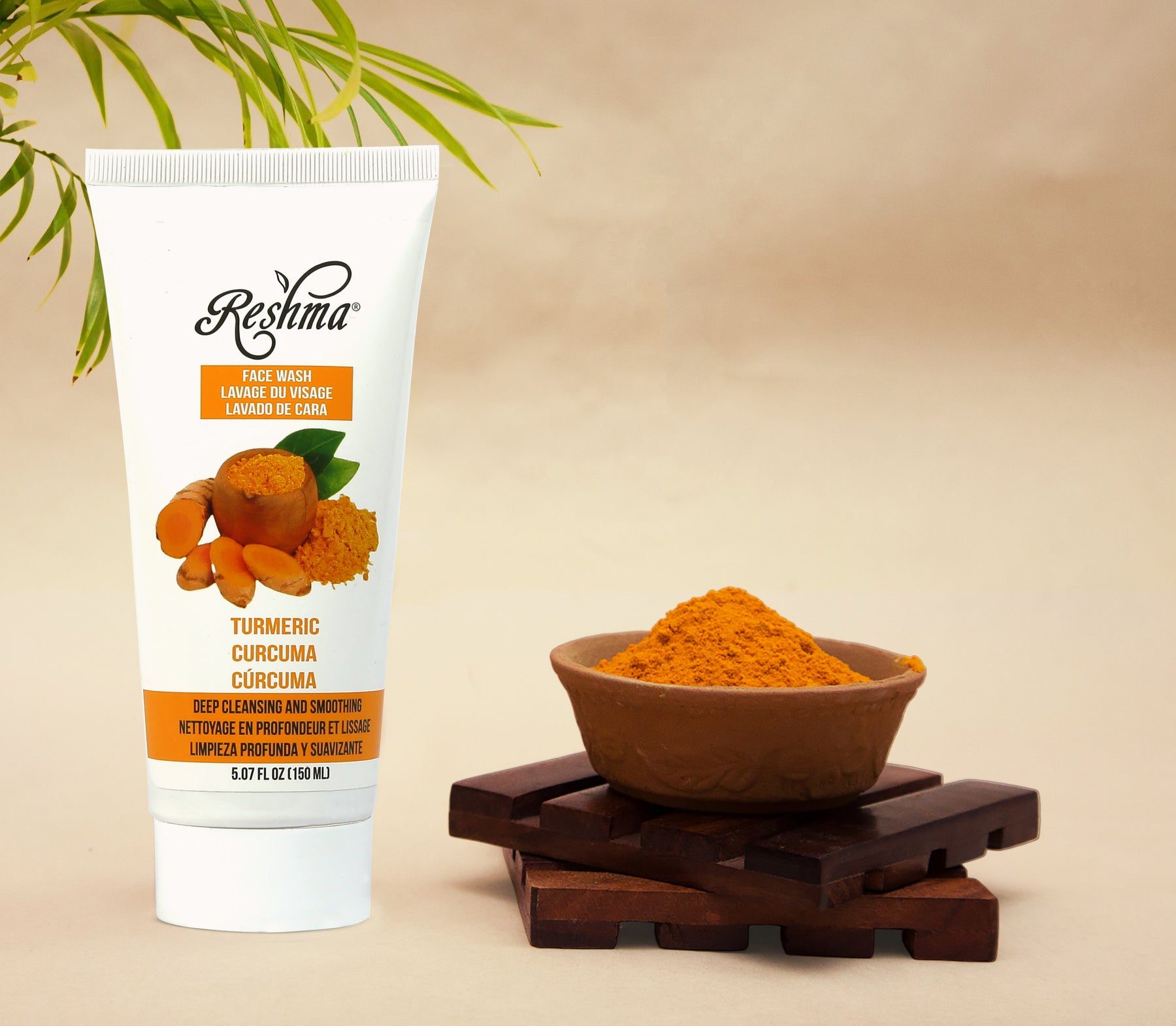
Turmeric has been used for centuries as a powerful skincare ingredient thanks to its anti-inflammatory, antibacterial, and brightening properties. Today, turmeric face washes have become incredibly popular, especially among people dealing with dull skin, acne, pigmentation, or sensitivity. But not all turmeric products are created equal. The real difference lies in the formulation—what’s inside the face wash and how safe and effective those ingredients are.
If you’re planning to add a turmeric face wash to your routine, here’s a detailed guide on what to look for in terms of ingredients, safety, and overall effectiveness.
Why Turmeric Face Wash?
Turmeric is packed with curcumin, a bioactive compound known for its healing and antioxidant benefits. A good turmeric-based cleanser can help:
- Reduce acne-causing bacteria
- Calm redness and irritation
- Brighten dull skin
- Fade dark spots over time
- Improve overall skin tone
However, the right formulation is key—otherwise, the benefits may not show up at all.
Ingredients to Look For in a Turmeric Face Wash
To get the best results from your turmeric face wash, make sure it includes more than just “turmeric” on the label. The supporting ingredients matter just as much as the main one.
1. Turmeric Extract or Curcuma Longa Root Powder
The star ingredient should always be listed clearly. Look for:
- Turmeric extract
- Curcuma longa root powder
- Curcumin
These are the most powerful forms and ensure the product actually delivers turmeric’s anti-inflammatory and brightening benefits.
2. Gentle, Zero-Sulfate Cleansers
A high-quality turmeric face wash should clean your skin without stripping moisture. Choose formulas that use mild surfactants like:
- Decyl glucoside
- Coco-glucoside
- Cocamidopropyl betaine
These cleanse effectively while maintaining the skin’s natural barrier—important for both oily and sensitive skin.
3. Hydrating Ingredients
Turmeric alone doesn’t hydrate, so pairing it with nourishing ingredients creates a balanced and effective face wash. Look for:
- Glycerin – draws moisture into the skin
- Aloe vera – soothes and cools irritated skin
- Hyaluronic acid – supports hydration without heaviness
- Panthenol (Vitamin B5) – repairs and softens skin
These additions help prevent dryness, especially if you use your face wash twice a day.
4. Natural Oils in Small Amounts
Light oils can boost turmeric’s benefits and keep your skin soft. Good options include:
- Jojoba oil
- Rosehip oil
- Almond oil
Make sure they are included in small concentrations to avoid clogging pores if you have oily or acne-prone skin.
5. Antioxidant-Rich Botanicals
Botanical extracts can complement turmeric’s brightening and healing properties. Beneficial additions include:
- Neem extract
- Licorice extract (great for pigmentation)
- Green tea extract
- Tulsi or basil extract
These ingredients enhance the cleanser’s effectiveness and help support skin clarity.
Ingredients to Avoid in a Turmeric Face Wash
While turmeric is natural, the overall formula may still irritate your skin if it contains harsh chemicals or allergens. Here’s what to avoid:
1. Sulfates (SLS & SLES)
These can cause dryness, irritation, and disrupt the skin’s natural barrier. Sensitive or acne-prone skin should always avoid sulfate-based cleansers.
2. Synthetic Fragrances & Harsh Perfumes
Turmeric naturally has an earthy scent. If the product lists fragrance, parfum, or perfume, it may contain allergens that cause redness or breakouts.
3. Parabens & Harsh Preservatives
While preservatives are important, parabens can irritate sensitive skin. Look for products using safer alternatives like:
- Sodium benzoate
- Potassium sorbate
4. Alcohol (Drying Alcohols)
Avoid ethanol, isopropyl alcohol, or denatured alcohol, as they can strip moisture and increase skin sensitivity.
5. Artificial Colors
Some brands add yellow dyes to make the face wash appear “more turmeric-like,” but these colors offer no benefits and may cause irritation. Look for products without any synthetic colorants.
How to Evaluate the Safety of a Turmeric Face Wash
To ensure a turmeric face wash is safe for your skin, consider the following factors:
1. Check if It’s Dermatologically Tested
Products tested by dermatologists undergo safety evaluations, making them more reliable for sensitive or problematic skin.
2. Look for Hypoallergenic or Non-Comedogenic Labels
These indicate the product is designed to reduce allergic reactions or avoid clogging pores—ideal for acne-prone or combination skin.
3. Read the Complete Ingredient List
Prioritise products with short, clean ingredient lists. The fewer unnecessary additives, the safer it generally is.
4. Patch Test Before Use
Regardless of how gentle the product seems, always test a small amount on your wrist or jawline before applying it to your entire face.
Effectiveness: What Results to Expect
A turmeric face wash works best when used consistently. Here’s what you can expect over time:
1. Immediate Effects (1–2 Weeks)
- Skin looks cleaner and fresher
- Slight reduction in redness
- Improved glow
- Mild calming of active acne
2. Medium-Term Effects (3–6 Weeks)
- Noticeable reduction in dark spots
- Better skin texture
- Reduction in acne frequency
- More even skin tone
3. Long-Term Effects (6+ Weeks)
- Enhanced radiance
- Stable hydration levels
- Reduced pigmentation
- Strengthened skin barrier
Remember that turmeric is a natural ingredient—so results appear gradually but steadily.
Final Thoughts
Turmeric face wash can be an amazing addition to your skincare routine—offering natural protection against acne, dullness, and inflammation. However, choosing the right one requires checking the ingredient list carefully. Look for real turmeric extracts, gentle cleansers, hydrating agents, and plant-based antioxidants. Avoid sulfates, artificial fragrances, harsh alcohols, and dyes.
With the right product and consistent use, you can enjoy clearer, brighter, and calmer skin powered by the goodness of turmeric.
