

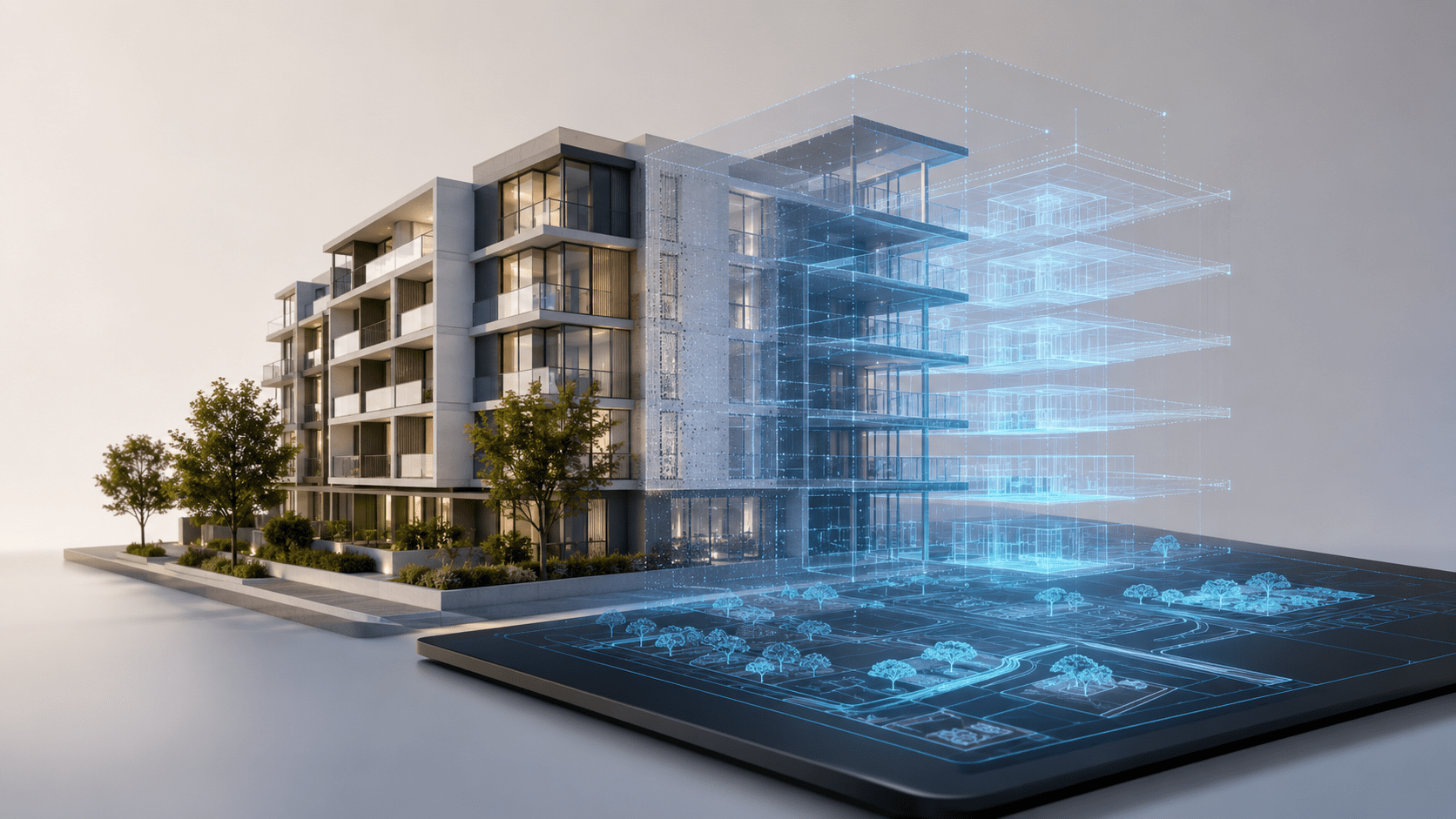
The way people buy and experience property has changed dramatically. Buyers no longer want to imagine what a space might look like. They want to see it, walk through it, and feel it before a single brick is laid. That shift has made 3D visualization solutions for property developers not just a nice-to-have, but a genuine competitive edge. And in that space, Propickle is quietly rewriting what good looks like.
Why Visualization Has Become Central to Real Estate Sales
Think about a buyer browsing two competing projects. One shows flat floor plans and a few rendered images. The other offers a fully interactive experience where they can explore every unit, check views from each floor, and customize finishes in real time. The choice of which project feels more trustworthy is not difficult to make.
Today’s market rewards clarity. When a developer can show rather than tell, conversions improve, site visits become more meaningful, and the overall sales cycle shortens. Visual storytelling has moved from marketing luxury to marketing necessity.
The Gap Between Standard Tools and What Developers Actually Need
Most off-the-shelf tools were built for general use. They were not designed with the specific demands of real estate projects in mind. Large-scale developments, mixed-use townships, phased launches, and complex master plans all require something more precise and more immersive.
That is where purpose-built platforms stand apart. When a tool is designed specifically for how developers think and sell, the results show.
How Propickle Approaches Property Visualization Differently
Propickle was built around one core idea: that the gap between a rendered image and a real buying decision is bridged by experience, not just visuals. Developers like Ananta Realty and M2K Group have recognised this early, choosing interactive mapping solutions that go well beyond static renders to give buyers a genuinely immersive experience.
Interactive 3D Mapping That Reflects Real Projects
Rather than static renders, Propickle enables fully navigable 3D environments that mirror actual project layouts. Buyers can explore towers floor by floor, zoom into specific units, and understand spatial context in a way that no brochure can replicate. This kind of real estate experience with interactive 3D visuals helps buyers feel connected to a project long before possession.
Groups like JLPL Group and Highland Group have leaned into this approach, using interactive mapping to bring large-scale developments to life for buyers who may be investing from across the country or even overseas. For developers managing large inventories, this also means sales teams spend less time explaining and more time closing.
Digital Twins That Stay Current
One of the more practical features in advanced 3D visualization solutions for property developers is the ability to keep digital representations in sync with real-world progress. Propickle’s digital twin capabilities allow project teams to update the model as construction evolves, so what buyers see always reflects the current state of the project.
This builds trust. It reduces confusion. And it gives marketing teams a tool that remains relevant across the entire project lifecycle, not just at launch. Integrated townships like MET City, with their scale and phased rollouts, benefit especially from this kind of live, evolving visualisation.
Flexibility Across Project Types
Whether it is a boutique residential complex, a sprawling township, or a commercial development, the platform adapts. The real estate experience with interactive 3D visuals that Propickle delivers scales with the complexity of the project. Harmony Infra Ventures is a good example of how mid-sized developers are also embracing this shift, using detailed 3D mapping to compete confidently with larger players in the market.
What This Means for the People Behind the Projects
Architects, project marketers, and builders often work with tight timelines and high stakeholder expectations. Having a visualization tool that keeps pace with those demands matters more than most people realize.
When your sales office can offer a live, interactive walkthrough of a project that does not exist yet, buyer confidence rises. When investors can see a digital twin of what they are funding, conversations get easier. These are not small improvements. Over the course of a project, they translate into real outcomes.
3D visualization solutions for property developers are evolving fast, and the platforms that will matter in the next five years are the ones being built with depth and purpose today. Propickle sits firmly in that category, not by chasing trends, but by solving real problems for the people who build and sell property for a living.
The gap between imagination and decision is smaller than ever. The right visualization partner helps you close it.
Frequently Asked Questions
Q1. What makes 3D visualization solutions different from regular property renders?
Standard renders give you a single frozen moment, usually the best possible angle of a finished project. A proper 3D visualization solution lets buyers navigate freely, explore different units, view floor plans in context, and even see how natural light falls at different times of day. It turns a passive image into an active experience, and that difference has a direct impact on buyer confidence and decision speed.
Q2. Are interactive mapping tools only useful for large developers?
Not at all. While large groups like JLPL Group and MET City use these tools to manage complex, multi-phase projects, mid-sized developers benefit just as much. When you are competing in a crowded market, giving buyers a richer experience can be the single thing that sets your project apart. The technology has become accessible enough that it is now a practical choice for developers of all sizes.
Q3. How does a digital twin help after a project has already launched?
A digital twin is not just a launch tool. As construction progresses, the model can be updated to reflect real changes on site. This means buyers who have already booked can track progress visually, investors get clear updates without site visits, and your sales team always has accurate information to share. It keeps the conversation going long after the initial sale, which is valuable for referrals and future phases.
