

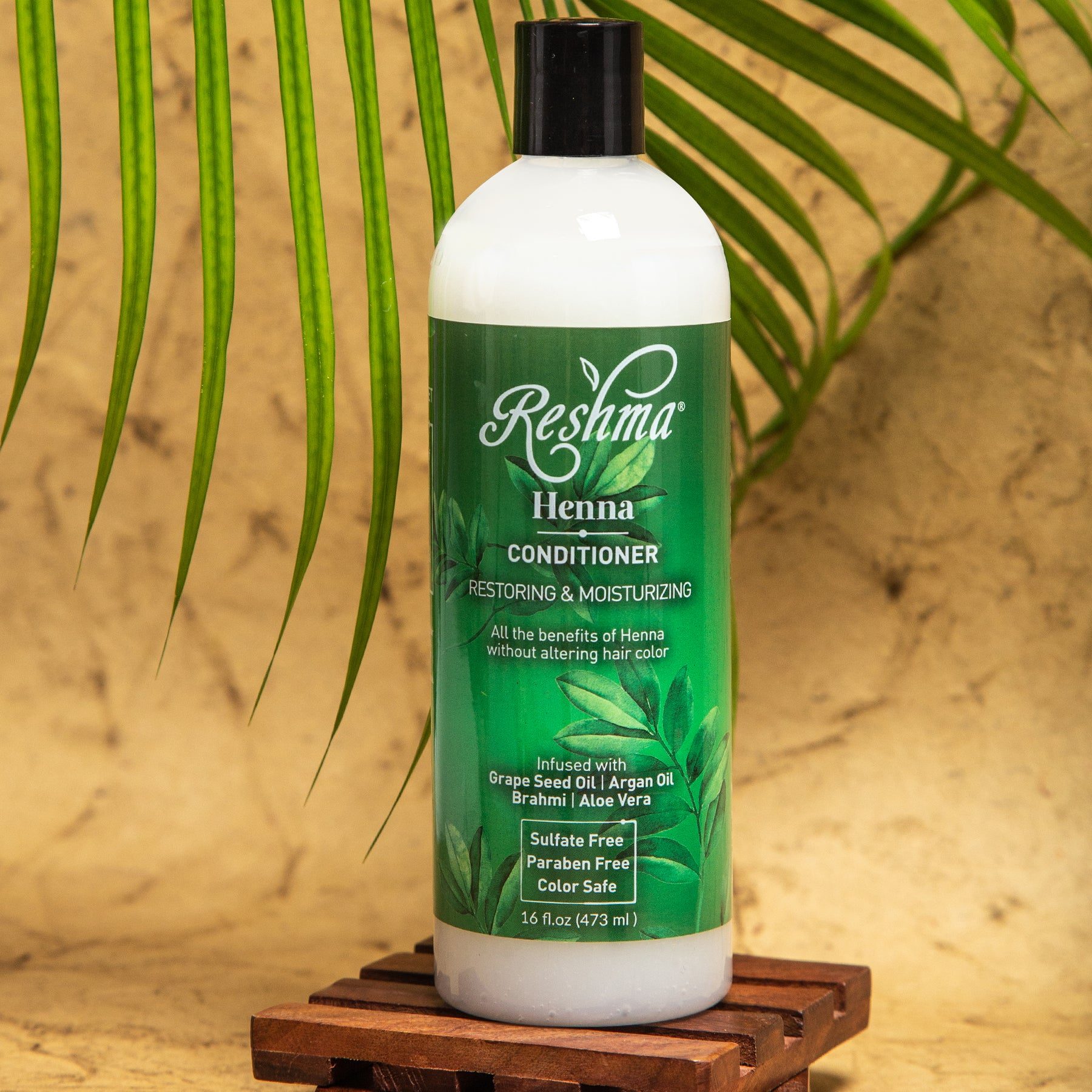
Hair conditioners are an essential part of many hair care routines, helping improve softness, manageability, and overall appearance. While traditional conditioners have long been a staple in bathrooms across the USA, products inspired by natural ingredients are becoming increasingly popular. One such option is henna conditioner, which combines conditioning benefits with botanical-inspired care.
If you’re wondering how it differs from a regular conditioner, understanding its ingredients, purpose, and potential benefits can help you choose the right product for your hair type and styling goals.
Understanding Traditional Conditioners
Regular conditioners are designed to moisturize and smooth the hair after shampooing. They coat the hair strands with conditioning agents that help reduce friction, making hair easier to detangle and style.
Many conventional formulas include ingredients that help:
- Improve softness
- Reduce frizz
- Enhance shine
- Increase manageability
- Protect hair from everyday stress
They are suitable for a wide variety of hair types and are commonly used after every wash.
What Is a Henna-Based Conditioning Product?
A henna conditioner is a conditioning treatment enriched with henna-inspired ingredients and botanical extracts. Unlike products focused solely on moisturizing, these formulations are often designed to nourish the hair while supporting its natural appearance and texture.
Many people choose this type of conditioner as part of a holistic hair care routine that emphasizes plant-based ingredients and gentle maintenance.
Ingredient Differences
One of the biggest distinctions lies in the ingredients.
Traditional conditioners often rely primarily on moisturizing agents, silicones, emollients, and conditioning compounds to smooth the hair.
By comparison, henna conditioner may include ingredients such as:
- Henna extract
- Herbal botanicals
- Plant-based oils
- Natural conditioning agents
- Vitamin-rich ingredients
These additions appeal to consumers who prefer beauty products inspired by traditional botanical care.
How Each Product Supports Hair
Regular conditioners mainly work on the outer layer of the hair, helping reduce dryness and improve combability.
A henna conditioner, on the other hand, is often chosen by individuals looking to combine everyday conditioning with botanical nourishment that helps hair feel healthier and more refreshed.
While results vary by formulation, many users appreciate the lightweight conditioning and naturally inspired ingredients found in these products.
Benefits of Choosing a Botanical Formula
Products enriched with herbal ingredients have become increasingly popular among consumers seeking gentle hair care options.
Some potential advantages include:
- Helping maintain soft, manageable hair
- Supporting a healthy-looking shine
- Complementing moisture retention
- Enhancing the overall appearance of the hair
- Fitting well into natural-inspired beauty routines
These qualities make botanical conditioners an appealing option for everyday use.
Is It Suitable for Colored Hair?
Many people with color-treated hair look for products that cleanse and condition gently without compromising their hair care routine.
A quality henna conditioner can often be incorporated into routines for colored hair, provided it is used according to the manufacturer’s instructions and is compatible with the specific hair color product being used.
Reading product labels and following recommended usage guidelines can help achieve the best results.
Which Hair Types Can Benefit?
Conditioning products inspired by botanical ingredients can be suitable for a variety of hair textures.
They are commonly used by people with:
- Dry hair
- Normal hair
- Wavy hair
- Curly hair
- Frizzy hair
- Chemically treated hair that requires gentle care
Choosing the right formula for your specific hair type is an important step toward maintaining healthy-looking hair.
How to Get the Best Results
To maximize the benefits of your conditioning routine:
- Shampoo your hair thoroughly before conditioning.
- Apply evenly from mid-length to the ends.
- Leave the product on for the recommended time.
- Rinse completely with lukewarm water.
- Avoid applying excessive amounts to the scalp unless directed.
Consistent use alongside a balanced hair care routine can help improve softness and manageability over time.
Why Botanical Hair Care Is Growing in the USA
Consumers across the United States are increasingly interested in products inspired by natural ingredients and wellness-focused lifestyles. Botanical hair care products have gained attention because they combine effective conditioning with ingredients rooted in traditional beauty practices.
As awareness of plant-based personal care continues to expand, many people are exploring alternatives that complement their preference for gentle and nourishing formulations.
Conclusion
The primary difference between henna conditioner and a regular conditioner lies in their formulation and overall approach to hair care. While traditional conditioners focus mainly on moisturizing and detangling, henna-inspired formulas often incorporate botanical ingredients that support softness, shine, and healthy-looking hair as part of a broader natural-inspired routine.
For individuals seeking a conditioner that combines everyday hydration with herbal care, this type of product can be a valuable addition to their regimen. When paired with gentle cleansing and consistent hair maintenance, it can help keep hair smooth, manageable, and refreshed while supporting long-term hair care goals.
