

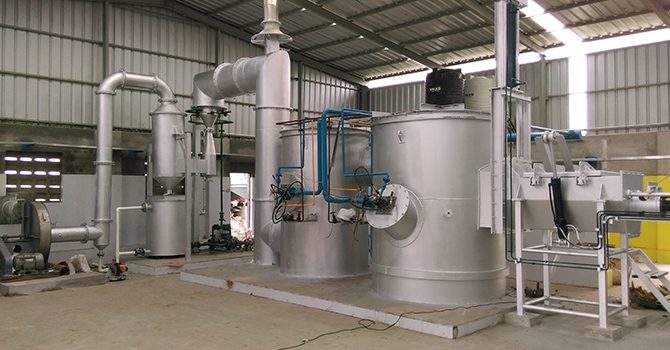
Handling of infectious and toxic waste is one of the most crucial responsibilities in health care facilities. A hospital medical waste incinerator is commonly used for secure, on site disposal of pathological, pharmaceutical, and hazardous materials. One of the most frequent inquiries we receive from hospital administrators and purchasing teams is regarding costs. Hospital incinerator cost The price of the hospital incinerators ranges depending on design, capacity need certification and optional mobile.
Hospital types of medical waste incinerator
Fixed and portable hospital incinerators are available. Permanent installation fixed systems are built for continuous, high volume waste processing applications. In contrast, mobile systems are small packages and transportable system that are suitable for a temporary site, remote hospital or an institution with limited infrastructure. The chosen type will directly determine investment, operation and logistics flexibility.
Capacity and throughput considerations
The processing capacity of a hospital medical waste incinerator furnace is one of the first factors taking the price. There are small capacity systems developed for clinics or small hospitals treating a small volume of waste per day up to high capacity units designed for big hospitals. With expanded capacity comes larger combustion chambers, fuel demand and emission control equipment all of which would add to cost.
Technology and emission control systems
Prices are highly influenced by advanced incineration technology. Simple, single chamber incinerators cost less than double chambered units but may not comply with regulations covering air and waste. More recent systems feature secondary combustion chambers, automatic burners, thermostatic controls and built in emission treatment mechanisms. These secondary components enhance the combustion efficiency, while lowering emission pollutants though it adds costs.
Mobile incinerator price and flexibility
Mobile incinerator price is a function of certain features including trailer mounting, containerized function and ease of mobility. Mobile units tend to be more expensive than stationary basics of comparable size because they have stronger frames, bolts or latches that move and small footprint design. But, then again, their flexibility allow them to be budget friendly for emergency services/ rural health centres and regional pooling.
Installation, operation, and maintenance costs
In addition to the upfront cost of acquisition, hospitals need to factor in installation costs, fuel usage, operator training and regular maintenance. A well constructed hospitals incinerator should have a higher initial cost and lower operating costs for fuel consumption and reduced time of use. The ability to obtain service and the availability of spare parts can also impact the total cost of ownership.
Regulatory compliance and certifications
There is no contention about adherence to BMWM regulations by the hospitals. Incinerators that meet rigorous emissions and safety requirements are usually priced higher because of additional testing, monitoring systems and documentation. Hospitals can save themselves from penalties, closure and reputational damage by spending on compliant equipment.
Long term value and operational reliability
When considering cost, healthcare facilities should consider not only price but long term value. When maintained properly incinerators should continue working consistently, be a very low maintenance device and provide safe waste destruction. Sustainability of waste management is guaranteed by a well balance between technical characteristics, operating costs and conformity.
Conclusion:
Hospital Medical Waste Incinerator Cost Hospital medical waste incinerator price is mainly determined by the capacity, technology of the medical waste treatment system, emission control method and geographic location. Mobile Incinerator Price Options When it comes to the price of mobile incinerators, there are differences in cost between various applications and methods for disposal. Doing so yields better value for health care providers in terms of long term performance and regulatory compliance.
