

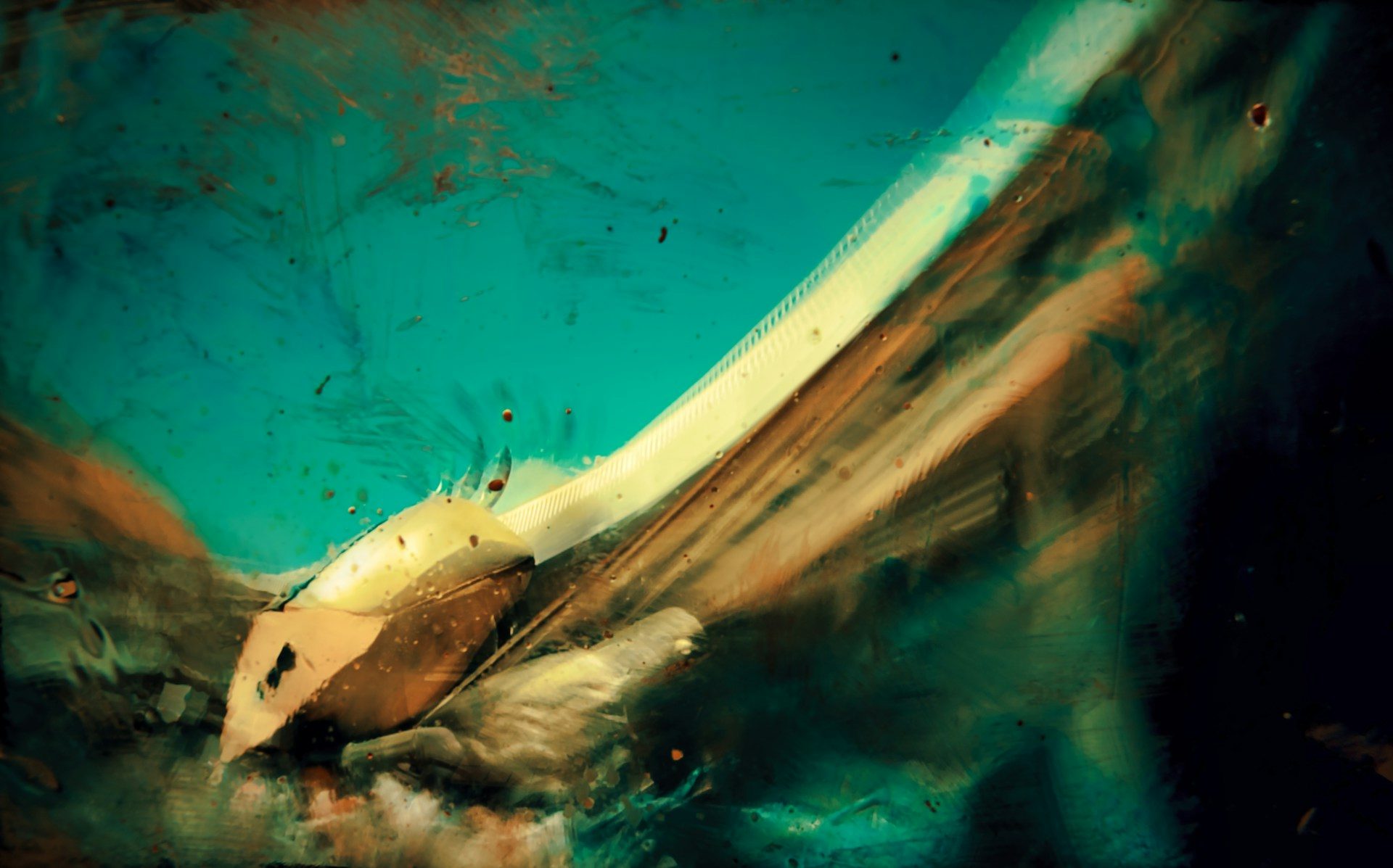
Surreal dark art is a complex artistic genre that blends the dreamlike qualities of surrealism with the unsettling, eerie, or even disturbing elements associated with darker aesthetics. At its core, surrealism aims to transcend rational thought and explore the subconscious, while dark art explores themes that evoke fear, discomfort, mystery, or existential dread. When the two intersect, the result is a visual form that captures both the bizarre irrationality of dreams and the shadowy territories of human emotion and imagination. Instead of simply portraying horror or fantasy, surreal dark art often uses symbolic imagery, distorted realities, and unconventional juxtapositions to position viewers between fascination and unease.
Surreal dark art emerged through the broader foundations of surrealism developed by artists like Salvador Dalí, Max Ernst, and René Magritte. Although these artists did not always create “dark” artworks, their exploration of subconscious fears, irrational dreams, and distorted realities laid the groundwork for later artists who pushed the themes into more psychologically unsettling directions. Twentieth-century developments in horror literature, psychology, and cinematic expression also influenced this shift, allowing artists to visually explore taboo emotions such as loneliness, trauma, death, and the fragility of human perception. In this sense, surreal dark art is not merely an aesthetic category—it is a lens for examining the human condition beyond its socially acceptable boundaries.
One of the defining characteristics of surreal dark art is its ability to merge beauty with the grotesque. A painting might present a gorgeous landscape that dissolves into monstrous shapes, or a portrait may hide symbolic depictions of inner struggle behind a placid face. This duality challenges viewers’ expectations and forces them to confront emotions they typically avoid. The imagery is often ambiguous: a twisted figure might represent fear, but also transformation; a decaying landscape may symbolize both destruction and rebirth. The power of surreal dark art lies in this ambiguity, inviting interpretation rather than dictating it. As a result, viewers often project their own subconscious thoughts into the work, making the art deeply personal and psychologically engaging.
In addition to visual ambiguity, surreal dark art frequently incorporates symbolic motifs. Common imagery includes shadows, disfigured bodies, labyrinths, mirrors, decaying environments, hybrid creatures, and distorted faces. Such motifs often represent universal human fears—fear of the unknown, fear of mortality, fear of losing control, or fear of identity dissolution. Symbolism in surreal dark art is rarely literal; instead, it works through metaphor. A faceless figure might symbolize emotional numbness or loss of identity. A vast, empty desert might represent existential isolation. A melting structure could reflect instability in one’s psychological state. These symbolic elements allow artists to communicate complex emotional or philosophical ideas through visual storytelling.
The psychological impact of surreal dark art can be profound. For many, the unsettling imagery evokes anxiety, discomfort, or tension. However, these reactions are not necessarily negative. Psychologists argue that facing disturbing imagery in controlled environments, such as through art, can help individuals explore suppressed emotions and confront personal fears. This is similar to the concept of catharsis—the idea that experiencing intense feelings through art can lead to emotional release. Surreal dark art provides a safe space where viewers can encounter concepts like death, chaos, or existential dread without real-world consequences. In doing so, the artwork allows them to process complex feelings in a reflective and introspective manner.
Moreover, surreal dark art often influences viewers by expanding their imaginative capacity. Because the genre breaks away from conventional realities, it encourages people to question their assumptions about the world. The bizarre shapes, twisted figures, and dreamlike scenes challenge the viewer’s logical mindset and open the door to alternative perspectives. This can stimulate creativity, philosophical curiosity, and deeper questioning about human existence. For some, the unsettling nature of the art sparks a new interest in psychological exploration, symbolism, or metaphysical concepts. Thus, the effect of surreal dark art is not limited to emotional impact; it can also influence intellectual growth.
Socially and culturally, surreal dark art has carved a significant niche. It often appeals to individuals who feel misunderstood, marginalized, or drawn to alternative ways of thinking. In many cultures, dark or taboo themes are avoided in everyday conversation, but surreal dark art gives space for these themes to be explored openly. This can foster a sense of community among those who share similar interests or emotional struggles. Online platforms, in particular, have allowed surreal dark art to spread widely, creating communities where individuals can discuss mental health, trauma, or existential thoughts through artistic lenses. For many, engaging with this art is not merely aesthetic—it is therapeutic or identity-affirming.
Historically, artistic societies have often used dark imagery to critique social issues or express discontent. Surreal dark art continues this tradition. Many artists use dark surrealism to comment on political corruption, environmental collapse, technological anxiety, or societal pressure. By presenting these issues through surreal distortions, the art encourages viewers to reflect on their deeper implications. A grotesque factory swallowing human figures might symbolize consumerism and exploitation. A landscape drowning in shadows could represent climate change or collective fear about the future. Because surreal dark art is symbolic, its messages can be more impactful than literal depictions, allowing viewers to interpret social issues through emotional resonance rather than direct commentary.
Another key effect of surreal dark art is its influence on mental health awareness. Many contemporary artists use the genre to portray inner struggles, such as depression, anxiety, trauma, or dissociation. These works give visual form to emotions that are difficult to describe with words. For people experiencing similar struggles, seeing their feelings represented visually can create a sense of validation and understanding. It can also help others relate to experiences they have not personally lived through, promoting empathy and awareness. In this way, surreal dark art becomes a bridge between internal emotional experiences and external communication.
Surreal dark art also plays a role in expanding the boundaries of artistic techniques. Artists often experiment with unconventional materials, digital manipulation, or hybrid styles to create the desired dreamlike and disturbing effects. Mixed media techniques, such as combining photography with painting, help blur the line between reality and imagination. Digital artists create hyper-realistic textures that enhance the eerie atmosphere of their pieces. Others use abstract techniques to distort shapes beyond recognition. These experimental approaches push art forward as a whole, inspiring innovators across genres. Fashion, film, and video g ame design have also embraced elements of surreal dark art, using its aesthetics to create unique worlds and narratives.
Cinematically, surreal dark art has influenced filmmakers who explore psychological horror and dreamlike storytelling. Movies like Eraserhead, Black Swan, The Lighthouse, and Pan’s Labyrinth draw heavily from surreal dark visuals. These films immerse viewers in unsettling realities where symbolism, distorted imagery, and emotional tension dominate the storytelling. The influence extends to music videos, graphic novels, and performance art. In each medium, surreal dark aesthetics challenge conventional beauty and embrace the complicated, often frightening aspects of human experience.
Another aspect worth noting is the philosophical dimension of surreal dark art. Many works in the genre confront existential themes—meaninglessness, mortality, chaos, and the fragile nature of identity. These concepts are central to existentialist philosophy, and surreal dark art often serves as a visual manifestation of these ideas. Viewers may find themselves contemplating the absurdity of existence or the limits of human understanding while engaging with the art. This philosophical engagement can lead to personal reflection, stimulating deeper awareness about life’s uncertainties and the complexity of the human mind.
Despite its many positive effects, surreal dark art can also produce adverse reactions in certain individuals. For people who are particularly sensitive to disturbing imagery or who struggle with trauma, the art may trigger uncomfortable emotions or memories. Although the intention of the artist may be symbolic or metaphorical, the visual intensity of the work can sometimes feel overwhelming. Additionally, because surreal dark art often lacks a clear narrative, some viewers may experience confusion or disorientation when interacting with it. While these effects are not inherently harmful, they highlight the emotional intensity that the genre carries. For this reason, engaging with surreal dark art can require emotional maturity and self-awareness.
Commercially, surreal dark art exists in a unique position. While not always embraced by traditional art markets, it has found a strong audience in niche communities, tattoo culture, alternative fashion, and digital art platforms. Many collectors appreciate the originality and emotional depth that the genre offers. As digital art becomes more popular through NFTs and online galleries, surreal dark art has expanded its reach further, appealing to those who value creativity that steps outside mainstream aesthetics. The commercial growth of this genre demonstrates a growing acceptance of alternative art forms that address psychological complexity rather than aesthetic simplicity.
Beyond its artistic merits, surreal dark art affects how people perceive the boundaries between reality and imagination. The surrealist approach invites viewers to reconsider what is possible, blending the familiar with the fantastical in unsettling ways. This can shift how people interpret everyday life, encouraging them to look beyond surface meanings. For example, mundane objects may appear more symbolic, and daily experiences may feel more layered or meaningful. By challenging conventional perceptions, surreal dark art helps cultivate a mindset that sees the world as fluid, subjective, and open to interpretation.
At a societal level, the genre reflects collective fears and anxieties of the modern world. As societies face rapid technological changes, environmental concerns, and political instability, surreal dark art often mirrors these uncertainties. In this way, it acts as a cultural barometer, capturing the emotional climate of its time. Through distorted imagery and dreamlike narratives, artists express concerns shared by many but rarely spoken aloud. This allows the art to resonate deeply with viewers who feel these anxieties on a subconscious level. Surreal dark art thus becomes a tool for cultural reflection, shaping and responding to societal moods.
Despite its dark elements, surreal dark art is not purely negative. Many works also convey hope, transformation, or the beauty within chaos. Darkness in this context does not represent evil, but rather complexity. It acknowledges that human experience includes suffering, fear, and uncertainty, but also resilience, imagination, and the capacity for meaning-making. By integrating both light and dark psychological themes, surreal dark art offers a holistic view of the human psyche. It reminds viewers that growth often emerges from confronting difficult emotions, and that beauty can be found even in unsettling places.
From a creative standpoint, surreal dark art encourages artists to explore their inner worlds. Many creators describe the genre as a form of self-expression that allows them to navigate trauma, depression, anxiety, or existential questioning. Artistic creation becomes a therapeutic process, helping them externalize feelings that are difficult to articulate. Through symbolic imagery and dreamlike distortion, artists can express emotions that transcend ordinary language. In this sense, surreal dark art is not only a public aesthetic but a private emotional tool for creators.
For audiences, engaging with surreal dark art can also be a journey of introspection. The ambiguous and symbolic nature of the artwork means that each viewer interprets it differently. Some may find comfort in seeing their emotions mirrored, while others may feel challenged to confront aspects of themselves they have ignored. The reflective process prompted by surreal dark art can lead to greater emotional awareness and psychological insight. It can also help viewers develop a tolerance for ambiguity—an essential skill in a world where answers are not always clear.
In contemporary culture, surreal dark art has gained popularity in digital media. Platforms like Instagram, DeviantArt, and ArtStation showcase thousands of artworks that blend surrealism with dark themes. The internet has democratized access to these artworks, allowing talented creators from around the world to share their visions. This global exposure has led to cross-cultural exchanges of style, symbolism, and technique, enriching the genre with diverse perspectives. Surreal dark art now includes influences from mythology, psychology, science fiction, religion, and folklore, reflecting a fusion of cultural narratives.
Ethically, some critics argue that dark imagery may desensitize viewers or normalize distressing themes. However, others counter that art should not be limited by comfort zones. Instead, they argue that challenging art is essential for intellectual and emotional growth. Surreal dark art invites viewers to explore topics that society often avoids, thereby fostering discussions about mental health, existential fears, and deeper aspects of human life. Rather than glamorizing darkness, the genre often seeks to understand it.
Ultimately, the effects of surreal dark art depend on the viewer’s personality, experiences, and emotional state. For some, it may evoke curiosity and inspiration; for others, it may feel intense or unsettling. But regardless of individual reactions, the genre undeniably expands the range of emotional expression in contemporary art. It challenges norms, pushes boundaries, and awakens psychological landscapes that are often overlooked. Through its unique blend of surrealism and darkness, the art form serves as both a mirror and a window—reflecting inner depths while offering new perspectives on reality.
In conclusion, surreal dark art is a powerful artistic genre that merges dreamlike irrationality with emotionally disturbing themes. It explores the subconscious, challenges conventional aesthetics, and engages with deep psychological and philosophical ideas. Its effects are multifaceted, influencing emotions, creativity, social awareness, and cultural expression. Whether viewed as a form of emotional catharsis, psychological exploration, or artistic innovation, surreal dark art remains a compelling and meaningful genre that speaks to the complex and often shadowed aspects of human experience.
