

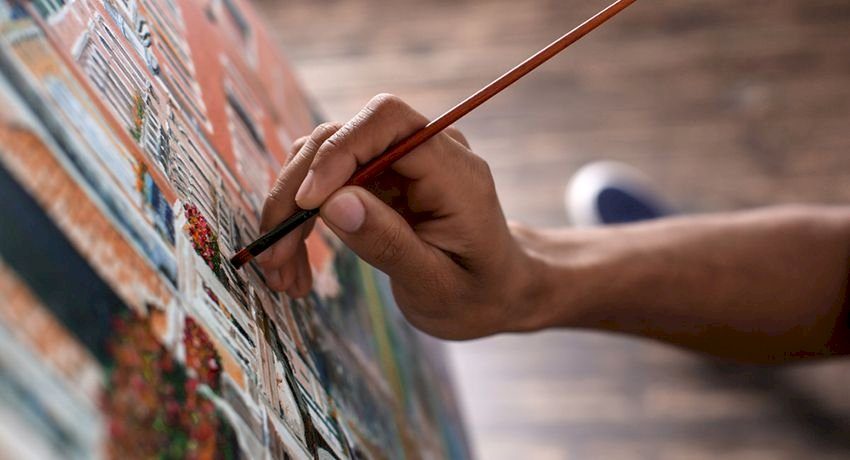
Identity art is a powerful and deeply meaningful form of creative expression that explores who we are as individuals and as members of larger cultural, social, and historical communities. It is art that speaks directly to personal experience, heritage, gender, race, religion, nationality, language, and the many layers that shape a person’s sense of self. Identity art is not limited to one style or medium; it can appear in painting, sculpture, photography, performance, digital art, film, or even everyday cultural practices. What makes it unique is its focus on representing the artist’s lived reality and how that reality connects to broader cultural narratives. Identity art allows both artists and audiences to reflect on questions such as “Who am I?”, “Where do I belong?”, and “How do my experiences shape the way I see the world?”
At its core, identity art is closely tied to self-representation. Throughout history, many groups were excluded from mainstream art institutions, and their stories were often told through the lens of outsiders. Identity art challenges this by giving individuals the chance to tell their own stories. For example, artists from marginalized communities have used identity-based work to reclaim narratives, challenge stereotypes, and assert their presence in society. In this way, identity art becomes not only personal but also political. It pushes against dominant cultural assumptions and makes space for voices that have been silenced or ignored. This is why identity art often carries emotional intensity, as it reflects real struggles, joys, and complexities of lived experience.
Identity art shapes personal expression by allowing artists to explore their inner worlds. Personal identity includes aspects such as gender, sexuality, religion, family history, and life experiences. Through identity art, artists can communicate feelings that may be difficult to express in words. For example, an artist might create self-portraits that reveal how they see themselves, or they might use symbolic imagery to represent personal transformation or trauma. Identity art can become a form of healing, offering artists a way to process memories and emotions. It also helps individuals affirm their identity, especially when society challenges or misunderstands it. By creating art that reflects their truth, artists build confidence and create deeper self-awareness.
One important aspect of identity art is its ability to connect personal stories with universal human themes. Although identity art often begins with an individual experience, it can resonate widely because audiences may recognize similar emotions in their own lives. Themes of belonging, displacement, love, loss, and pride are shared across cultures, even though they may be experienced differently. Identity art bridges these experiences, helping viewers empathize with lives different from their own. In this way, identity art fosters understanding and connection. It reminds us that identity is both unique and shared, personal yet shaped by the world around us.
Cultural expression is another major way identity art shapes meaning. Culture includes traditions, languages, rituals, values, clothing, music, and history passed down through generations. Identity art often reflects cultural heritage, preserving traditions while also questioning or reinterpreting them. For example, Indigenous artists may incorporate traditional patterns, materials, or spiritual symbols into contemporary works, showing that culture is living and evolving. Similarly, immigrant artists may create works that express the tension between their homeland and the culture they now live in. Identity art becomes a space where cultures meet, blend, and transform, highlighting the complexity of cultural identity in a globalized world.
Identity art also plays a key role in representing collective memory. Cultural identity is not only about individual experience but also about shared histories. Communities carry memories of colonization, migration, slavery, war, and resistance. Artists often address these histories in identity-based work, ensuring they are not forgotten. For instance, African American artists have long explored identity through the lens of racial history, oppression, and resilience. Their art speaks not only for themselves but for generations who endured injustice. Similarly, postcolonial artists across Asia, Africa, and Latin America use identity art to confront the legacy of imperialism and reclaim cultural pride. Through such work, identity art becomes a tool for cultural survival and empowerment.
The shaping of identity art is closely linked to social movements. Feminism, civil rights movements, LGBTQ+ activism, and decolonization struggles have all influenced identity-based artistic expression. During the 20th century, artists increasingly used their work to highlight social inequality and demand recognition. Feminist artists, for example, challenged traditional portrayals of women and created works that explored female identity from a woman’s perspective. LGBTQ+ artists used art to express queer identity and confront stigma. These movements helped identity art gain visibility, showing that art is not just decoration but also a means of social change.
Another significant feature of identity art is its exploration of hybridity and intersectionality. Identity is rarely one-dimensional. People often belong to multiple identities at once: race, gender, class, nationality, religion, and more. Identity art reflects these intersections, showing that identity is layered and complex. For example, a Muslim woman living in Europe may experience identity differently from a Muslim man in the Middle East. An artist may express both cultural pride and feelings of alienation. Identity art captures these contradictions, resisting simple definitions. It reveals that identity is fluid and constantly shaped by experience, environment, and relationships.
In contemporary society, identity art has expanded through globalization and digital technology. Artists now share their work online, reaching audiences worldwide. Social media platforms have become spaces where identity is performed and expressed visually. Digital identity art can explore themes such as virtual selves, online communities, and the impact of technology on how people see themselves. At the same time, globalization has created cultural exchange, but also cultural tension. Artists respond to this by exploring what it means to maintain cultural roots while living in a connected world. Identity art today reflects the challenges of multiculturalism, diaspora, and shifting cultural boundaries.
Identity art is also important because it challenges traditional definitions of art history. For a long time, Western perspectives dominated museums and academic institutions. Identity art disrupts this by bringing diverse voices into the center. Artists from Africa, Asia, Indigenous communities, and minority cultures are reshaping global art narratives. Their work expands what is considered valuable, beautiful, or meaningful. Identity art shows that creativity is not limited to one culture or tradition. It celebrates pluralism and highlights the richness of human diversity.
A key element in identity art is symbolism. Artists often use symbols, colors, clothing, objects, or cultural motifs to express identity. For example, traditional textiles may represent heritage, while certain colors may carry spiritual or political meanings. Artists may blend symbols from different cultures to reflect mixed identity. Symbolism allows identity art to communicate across language barriers, making it accessible to broader audiences. At the same time, symbolism invites viewers to engage deeply, interpreting the layers of meaning embedded in the work.
Identity art also shapes cultural expression by creating representation. Representation matters because seeing oneself reflected in art validates existence. For communities historically excluded, identity art offers visibility and pride. It tells young generations that their stories matter. For example, when Black, Asian, Indigenous, or LGBTQ+ artists create works that celebrate their identities, they inspire others and challenge harmful stereotypes. Identity art can shift cultural perceptions, helping societies become more inclusive.
In addition, identity art encourages dialogue. Art exhibitions and performances often spark conversations about race, gender, migration, inequality, and belonging. Identity art creates spaces where difficult issues can be addressed emotionally and thoughtfully. It can bring people together, but it can also provoke discomfort because it challenges deeply held beliefs. This discomfort is part of its power. Identity art forces societies to confront truths about discrimination, privilege, and cultural misunderstanding.
Education is another area where identity art has impact. Studying identity art helps students understand history, sociology, politics, and human experience through creative lenses. It encourages critical thinking about how identities are formed and represented. It also promotes empathy, as students learn to see the world through others’ perspectives. Identity art thus plays a role not only in artistic development but also in shaping cultural awareness and social responsibility.
Identity art is deeply connected to the idea of belonging. Many identity-based works explore feelings of home, exile, diaspora, and cultural displacement. Artists who have migrated or grown up between cultures often express the sense of being “in-between.” Their art reflects both loss and discovery, showing how identity evolves across borders. This theme is especially relevant in today’s world, where migration and globalization shape millions of lives. Identity art becomes a record of these experiences, capturing the emotional realities of movement and change.
Ultimately, identity art is significant because it reveals the human need to be seen and understood. It shows that identity is not fixed but dynamic, shaped by personal experience and cultural forces. Identity art allows individuals to express their uniqueness while also connecting to collective histories. It challenges stereotypes, preserves cultural memory, inspires social change, and enriches artistic traditions. In a diverse world, identity art reminds us that every person carries a story worth telling, and every culture carries a heritage worth celebrating.
In conclusion, identity art is an essential form of artistic expression that shapes both personal and cultural identity. It provides artists with a platform to explore selfhood, heritage, and belonging while also addressing broader social and political realities. Through identity art, personal experiences become visible, cultural traditions are preserved and reimagined, and marginalized voices gain representation. Identity art fosters empathy, dialogue, and understanding, making it one of the most powerful artistic movements in contemporary society. By exploring the many layers of identity, this art form helps individuals and communities define themselves, celebrate diversity, and contribute to a more inclusive cultural world.
