

Henna is one of those rare traditions that feels ancient and alive at the same time. It sits at the intersection of beauty, culture, ritual, and personal expression. You might recognize it as the intricate designs painted on hands before weddings or festivals, but henna is much more than decorative body art. It carries stories, emotions, and centuries of human connection.
To understand henna properly, you need to look beyond the surface stain on the skin and see what it has meant to people across generations.
The Origin Story of Henna
Henna comes from the leaves of a plant known as Lawsonia inermis. This plant thrives in hot and dry climates, which is why henna traditions developed in regions such as South Asia, the Middle East, North Africa, and parts of Africa.
Long before henna became associated with celebrations, people discovered its practical benefits. Crushed henna leaves produced a cooling effect when applied to the skin. In harsh climates, this was not just comfort but survival. Over time, people noticed that the paste left behind a reddish brown stain, and slowly that functional practice transformed into an artistic and cultural one.
Henna evolved naturally from usefulness to symbolism. That is often how the most powerful traditions are born.
You also check more Finger Henna Designs: stylish finger mehndi design
What Henna Is Made Of
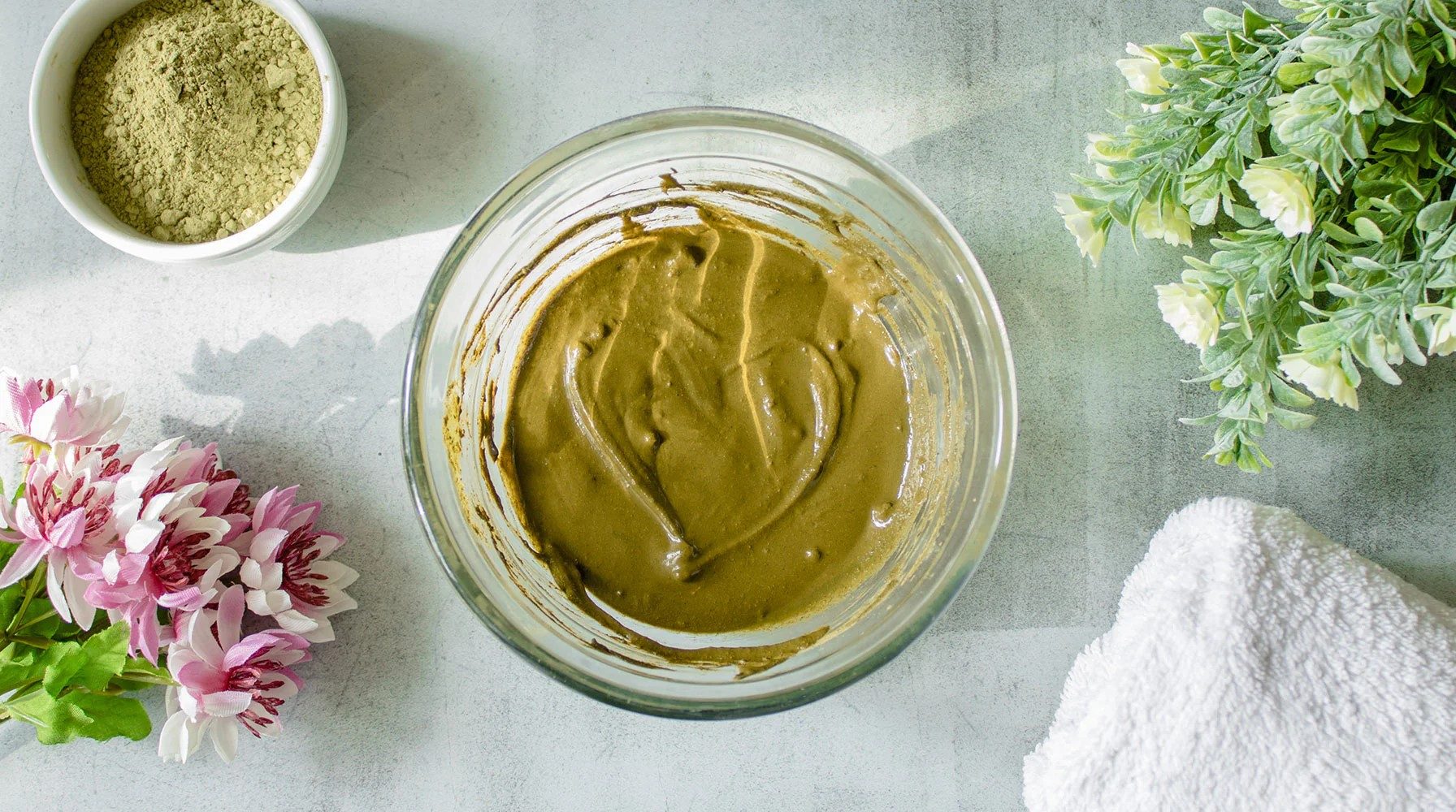
True henna is simple and honest. It starts with dried henna leaves that are finely ground into a green powder. When this powder is mixed with a liquid such as water or lemon juice, it releases a natural dye. This dye binds with the protein in the skin, creating the familiar stain.
This is important because real henna is plant based and temporary. It fades naturally as the skin exfoliates. Anything that promises instant black color or permanent results is not traditional henna and often not safe.
Understanding this difference helps people make better choices and respect the original art form rather than unknowingly replacing it with something artificial.
How Henna Works on the Skin
Henna does not paint the skin. It stains it. The dye molecules move into the top layer of skin and bond with keratin. That is why the color deepens over time instead of appearing instantly.
Fresh henna paste usually stains orange at first. Over the next one to two days, it oxidizes and darkens into shades of brown or deep reddish tones. The final color depends on body temperature, skin type, aftercare, and the quality of the henna itself.
There is a quiet lesson here. Henna teaches patience. The best results come when you let time do its work.
Cultural Meaning of Henna
Henna is deeply woven into cultural rituals. In many traditions, it is not optional decoration but a meaningful act.
In South Asian weddings, henna is applied to the bride during a special ceremony. The designs symbolize love, prosperity, protection, and the beginning of a new chapter. In some cultures, the darkness of the henna stain is playfully linked to how much love the bride will receive from her partner or in laws.
In Middle Eastern and African cultures, henna is used during festivals, births, and religious celebrations. It marks moments of transition and joy. It is a way of saying this moment matters.
Henna reminds us that beauty can be ceremonial and intentional, not rushed or disposable.
Henna as Personal Expression
Beyond tradition, henna has become a form of personal storytelling. Designs can be bold or minimal, geometric or floral, symbolic or abstract. Each pattern can reflect mood, identity, or belief.
Some people use henna to mark personal milestones such as healing, travel, or self discovery. Others wear it simply because it feels beautiful and grounding. There is no single correct reason.
This flexibility is part of henna’s power. It adapts without losing its soul.
The Difference Between Natural Henna and Chemical Alternatives
As henna gained global popularity, shortcuts entered the market. Chemical pastes often labeled as black henna promise fast results but contain additives that can cause serious skin reactions.
Natural henna takes time. Chemical alternatives prioritize speed. This difference reveals a larger truth about modern life. We often trade depth for convenience without realizing what we lose.
Choosing natural henna is not just a safety decision. It is a mindset. It means valuing process, tradition, and authenticity over instant gratification.
How Henna Is Applied
Henna application is both skill and intuition. The paste is placed into cones or applicators and drawn onto the skin by hand. There are no stencils in traditional practice. Each line is guided by muscle memory and experience.
After application, the paste is left on the skin for several hours. Once dried, it is gently removed, not washed away. The stain continues to develop over the next day.
This slow process turns henna into an experience rather than a product. People sit together, talk, laugh, and share stories while the paste dries. The art happens on the skin, but the connection happens in the moment.
Henna in the Modern World
Today, henna has crossed borders. You will see it at music festivals, fashion shoots, and wellness retreats. While styles have evolved, the core appeal remains the same. Henna offers temporary beauty without long term commitment.
In a world obsessed with permanence and speed, henna feels refreshingly gentle. It allows experimentation without pressure. You can wear art today and let it fade tomorrow.
This impermanence is not a weakness. It is the point.
A Simple Framework to Understand Henna
To truly understand henna, think of it through three layers.
The first layer is physical. A plant based dye applied to the skin.
The second layer is cultural. A tradition shaped by history, ritual, and community.
The third layer is personal. A form of expression, intention, and emotional connection.
When all three layers are respected, henna becomes meaningful rather than just decorative.
Common Misunderstandings About Henna
Many people think henna is only for special occasions. In reality, it has been part of everyday life in many cultures.
Some believe henna designs must be complex to be beautiful. Simple designs often carry more elegance and intention.
Others assume henna is just fashion. For millions of people, it is memory, heritage, and identity.
Questioning these assumptions helps us appreciate henna more deeply instead of reducing it to a trend.
Why Henna Still Matters Today
Henna has survived centuries of change because it fulfills something modern life often lacks. Slowness. Touch. Ritual. Meaning.
It brings people together. It encourages presence. It reminds us that beauty does not have to be permanent to be powerful.
In a digital world, henna remains human.
Final Thoughts on What Henna Truly Is
Henna is not just a dye or a design. It is a conversation between past and present. It is a reminder that beauty can be intentional, temporary, and deeply personal.
When someone asks what henna is, the simplest answer is a plant that stains skin. But the real answer is much richer.
Henna is history you can wear. It is emotion you can see. It is art that fades but never forgets.
And once you see it that way, you never look at those delicate patterns the same again.
