

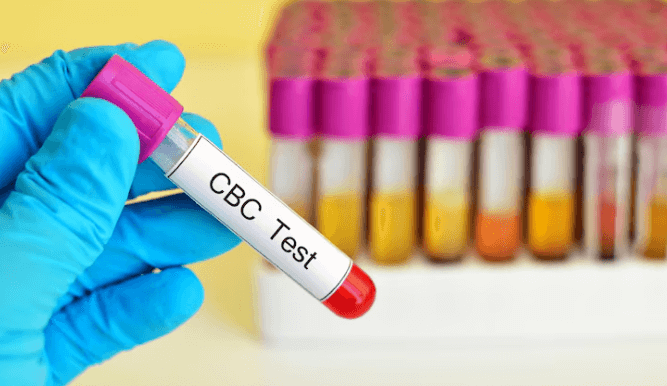
A Complete Blood Count (CBC) test might sound technical, but it is one of the most common and vital health checkups you can undergo. This simple blood test provides a wealth of information about your overall health by measuring different components of your blood, such as red blood cells, white blood cells, platelets, hemoglobin, and hematocrit levels. Understanding what a CBC test reveals can help you take proactive steps to maintain good health.
Why Is a CBC Test Important?
Think of your blood as a mirror reflecting the state of your body. The components of your blood are crucial for carrying oxygen, fighting infections, and clotting wounds. Any irregularities in these components can indicate an underlying health issue. A CBC test helps detect conditions like anemia, infections, inflammation, and even more severe disorders like leukemia. It can also monitor the effectiveness of treatments for chronic conditions.
What Does Each Component Tell You?
Here’s a breakdown of what the CBC test measures and what it reveals:
- Red Blood Cells (RBCs) carry oxygen throughout your body. Low RBC counts may indicate anemia, while high counts could suggest dehydration or other health issues.
- White Blood Cells (WBCs) are your body’s soldiers, fighting off infections and inflammation. Abnormal WBC levels may point to infections, autoimmune disorders, or even cancer.
- Platelets: Platelets help your blood clot. Low platelet levels can cause excessive bleeding, while high levels might increase the risk of clotting disorders.
- Hemoglobin: This protein in red blood cells carries oxygen. Low hemoglobin levels could be a sign of iron deficiency or other types of anemia.
- Hematocrit: This measures the proportion of red blood cells in your blood. Abnormal levels can indicate dehydration, anemia, or other conditions.
Real-Life Example: How a CBC Test Changed Ravi’s Life
Ravi, a 34-year-old IT professional in Bangalore, was feeling unusually tired and lightheaded for weeks. Thinking it was just work stress, he ignored the symptoms. On a friend’s suggestion, he decided to get a CBC test. The results revealed that Ravi had low hemoglobin levels, indicating anemia caused by an iron deficiency. Thanks to the test, Ravi consulted a doctor, started a treatment plan, and made dietary changes that improved his health significantly.
This highlights how a simple CBC test can provide valuable insights into your health and potentially prevent more severe complications.
When Should You Get a CBC Test?
Doctors usually recommend a CBC test during routine health checkups, but there are specific situations where it becomes essential:
- Persistent fatigue or weakness
- Unexplained fever
- Frequent infections
- Unusual bruising or bleeding
- Monitoring chronic conditions like diabetes or hypertension
If you live in a bustling city like Bangalore, it’s easy to access diagnostic labs that offer this test. Before scheduling, it’s wise to compare CBC test price Bangalore across different labs to find one that suits your budget.
Practical Tips for Getting a CBC Test
- Fasting: While a CBC test typically doesn’t require fasting, follow your doctor’s instructions.
- Stay Hydrated: Drinking water can make it easier for the technician to draw your blood.
- Choose a Reputable Lab: Look for labs with good reviews and reasonable pricing. You can search for “CBC test” online to find the best options near you.
- Understand Your Results: After getting your report, don’t hesitate to ask your doctor for clarification. Understanding your results can empower you to make better health decisions.
Final Thoughts
A CBC test is more than just numbers on a report; it’s a glimpse into your health. Whether you’re feeling unwell or simply want to stay on top of your health, this test is an invaluable tool. By taking the time to understand what it reveals, you can address potential issues early and take control of your well-being.
