

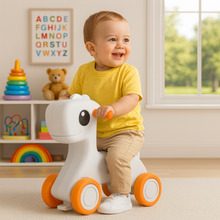
Choosing the right play items for young children can have a lasting impact on their development. Toddlers and preschoolers are at a stage where they learn rapidly through exploration, imagination, and hands-on experiences. The best toys are not just entertaining; they also support growth across physical, cognitive, social, and emotional areas. Understanding what works best for each age group can help create a meaningful and engaging play environment.
Understanding Developmental Needs
Toddlers (ages 1–3) and preschoolers (ages 3–5) have different developmental milestones. Toddlers are focused on basic motor skills, sensory exploration, and simple problem-solving. Preschoolers, on the other hand, begin to develop more advanced thinking, creativity, and social interaction.
Selecting appropriate toys means matching them to these stages. Items that are too complex can lead to frustration, while overly simple ones may not hold attention. The goal is to find options that challenge children just enough to encourage learning while keeping play enjoyable.
Building Blocks and Construction Sets
Building blocks are among the most versatile and beneficial play items for young children. They help improve fine motor skills, hand-eye coordination, and spatial awareness. Toddlers can stack and knock down blocks, while preschoolers can build more complex structures.
These types of toys also encourage problem-solving and creativity. Children learn to experiment with balance, shapes, and design, which supports early mathematical thinking. Open-ended play with blocks allows children to use their imagination without strict rules.
Pretend Play and Role-Playing Items
Imaginative play becomes more prominent during the preschool years. Role-playing items such as dolls, kitchen sets, or pretend tools allow children to act out real-life scenarios. This type of play helps them understand the world around them and express their emotions.
Through pretend play, children develop communication skills and empathy. They learn to take on different roles, solve social situations, and build narratives. These toys provide a safe space for children to explore feelings and practice interactions.
Educational and Puzzle-Based Options
Puzzles and educational games are excellent for developing cognitive skills. Simple puzzles help toddlers recognize shapes and improve memory, while more complex puzzles challenge preschoolers to think critically.
These toys support concentration, patience, and problem-solving abilities. Matching games, sorting activities, and number-based play items introduce early learning concepts in a fun and engaging way. As children progress, they gain confidence in their ability to complete tasks independently.
Creative and Art-Based Activities
Art supplies such as crayons, clay, and drawing tools are essential for encouraging creativity. These toys allow children to express themselves freely while improving fine motor skills.
Creative activities also enhance focus and imagination. Whether it’s drawing a picture or molding shapes, children learn to think outside the box. Art-based play is not about perfection but about exploration and self-expression, which is important for emotional development.
Outdoor and Active Play Equipment
Physical activity is crucial for young children, and outdoor play provides the perfect opportunity for movement. Items like balls, ride-ons, and climbing structures encourage exercise and coordination.
Active toys help develop gross motor skills, balance, and strength. They also promote a healthy lifestyle by encouraging children to stay active. Outdoor play often involves social interaction, which further supports communication and teamwork.
Sensory Play Options
Sensory play is especially important for toddlers, as it helps them explore textures, sounds, and movements. Toys that involve sand, water, or different materials stimulate the senses and support brain development.
These activities improve focus and help children process sensory information more effectively. Sensory play can also have a calming effect, making it beneficial for emotional regulation.
Safety and Simplicity
When selecting toys for young children, safety should always be a priority. Items should not have small parts, made of non-toxic materials, and designed with smooth edges. Age-appropriate choices ensure that children can play safely and confidently.
Simple designs often work best, as they allow children to use their imagination. Overly complex or electronic items may limit creativity and reduce engagement. Toys that encourage active participation tend to offer more developmental benefits.
Encouraging Independent and Social Play
The best toys are those that support both independent and group play. Children should have opportunities to explore on their own as well as interact with others. This balance helps build confidence and social skills.
Playing with others teaches sharing, cooperation, and communication. At the same time, independent play encourages decision-making and problem-solving. Providing a variety of toys ensures that children can experience both types of play.
Conclusion
Selecting the best toys for toddlers and preschoolers involves understanding their developmental needs and choosing items that support growth in multiple areas. From building blocks and puzzles to creative and active play options, the right choices can make learning enjoyable and effective.
By focusing on safety, simplicity, and versatility, caregivers can create a well-rounded play environment. These toys not only entertain but also help children develop essential skills, laying the foundation for future learning and overall development.
