

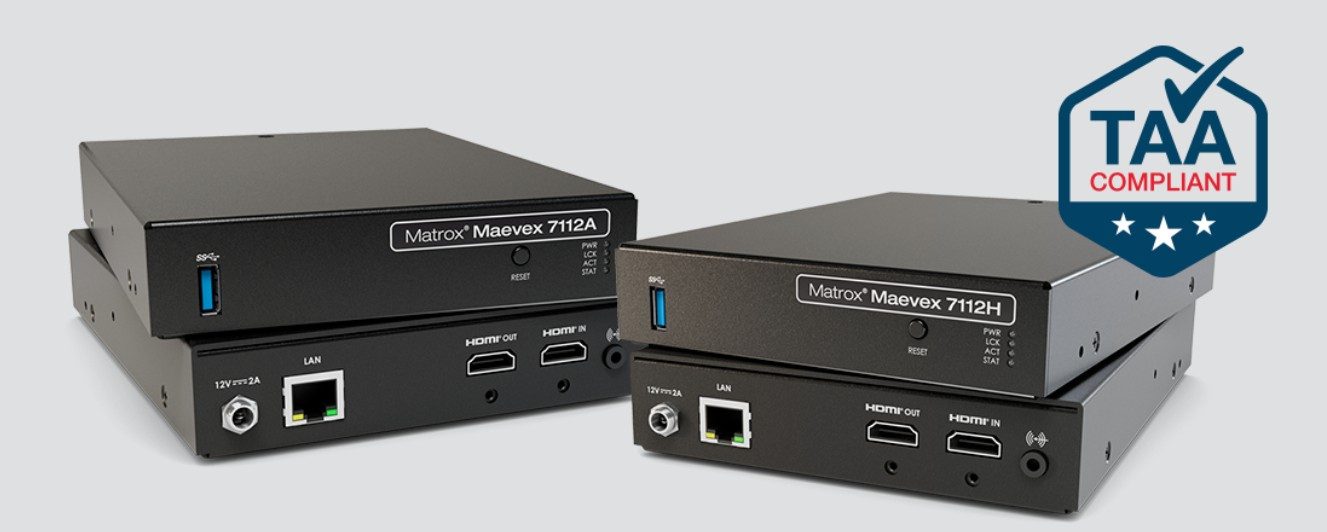
In today’s digital-first world, video content is everywhere—from live corporate events and online classrooms to surveillance systems and OTT streaming platforms. Behind every smooth video stream is a critical technology working silently in the background: video encoders. These devices and software solutions convert raw video into compressed digital formats that can be stored, streamed, or broadcast efficiently.
What Are Video Encoders?
A video encoder is a hardware device or software application that takes uncompressed video input and converts it into a compressed digital format using specific codecs such as H.264, H.265 (HEVC), or AV1. This compression drastically reduces file size while maintaining visual quality, making video delivery over networks practical and cost-effective.
Without video encoders, streaming high-resolution video in real time would require enormous bandwidth, making modern video applications nearly impossible.
How Video Encoders Work
At a basic level, video encoders follow a structured process:
- Video Input – The encoder receives video from a camera, media player, or production system via HDMI, SDI, USB, or IP.
- Compression – The raw video is compressed using a selected codec to remove redundant data.
- Encoding Parameters – Bitrate, resolution, frame rate, and latency are optimised based on the use case.
- Output & Delivery – The encoded stream is sent to servers, cloud platforms, or directly to viewers via IP networks.
This process ensures smooth playback, reduced storage requirements, and reliable transmission—even over limited bandwidth.
Types of Video Encoders
Understanding the different types of video encoders helps in selecting the right solution:
1. Hardware Video Encoders
These are dedicated physical devices built specifically for encoding tasks. They are known for:
- High reliability and stability
- Low latency performance
- Continuous 24/7 operation
Hardware video encoders are widely used in broadcasting, live events, surveillance, and mission-critical environments.
2. Software Video Encoders
Software-based encoders run on PCs or servers. They offer:
- Lower initial cost
- Flexibility and frequent updates
- Easy integration with existing systems
They are popular in content creation, online streaming, and smaller-scale deployments.
3. Cloud-Based Video Encoders
These encoders operate in cloud environments and are ideal for scalable streaming services. They support:
- On-demand encoding
- Global content delivery
- Integration with OTT and CDN platforms
Common Video Encoding Formats and Codecs
Choosing the right codec is crucial for performance and compatibility:
- H.264 (AVC) – The most widely supported codec, balancing quality and bandwidth efficiency.
- H.265 (HEVC) – Offers up to 50% better compression than H.264, ideal for 4K and UHD content.
- AV1 – An emerging open-source codec delivering excellent compression with growing device support.
- MJPEG – Used in specific industrial and surveillance applications where low latency is critical.
Each codec has its own advantages depending on bandwidth, device compatibility, and quality requirements.
Applications of Video Encoders
Video encoders are used across multiple industries:
Live Streaming & Broadcasting
From TV channels to social media live streams, video encoders ensure stable, high-quality transmission with minimal delay.
Corporate Communication
Video encoders support webinars, virtual meetings, and live corporate announcements, enabling seamless internal and external communication.
Education & E-Learning
In online education, video encoders help deliver lectures, hybrid classroom sessions, and recorded lessons efficiently.
Surveillance & Security
IP-based CCTV systems rely on video encoders to convert analog video into digital streams for monitoring and recording.
Healthcare & Telemedicine
Medical facilities use video encoders for remote diagnostics, live surgical broadcasts, and secure video consultations.
Key Features to Look for in Video Encoders
When selecting a video encoder, consider these essential factors:
- Resolution Support – HD, Full HD, 4K, or higher
- Low Latency – Critical for live streaming and real-time monitoring
- Codec Compatibility – Support for modern and widely used formats
- Input & Output Interfaces – HDMI, SDI, IP, USB
- Network Protocols – RTMP, RTSP, SRT, HLS
- Scalability & Reliability – Especially important for enterprise and broadcast use
A well-chosen video encoder ensures long-term performance and future-proof deployment.
Benefits of Using Video Encoders
Implementing the right video encoder delivers measurable advantages:
- Reduced bandwidth consumption
- Improved video quality and consistency
- Reliable real-time streaming
- Enhanced compatibility across devices and platforms
- Efficient storage and archiving
These benefits make video encoders a foundational component of modern AV and IT infrastructures.
Future Trends in Video Encoding Technology
The video encoding landscape continues to evolve rapidly. Emerging trends include AI-powered encoding, ultra-low latency streaming, wider adoption of AV1, and deeper cloud integration. As 5G networks and immersive technologies grow, video encoders will play an even more critical role in delivering seamless visual experiences.
Conclusion
Video encoders are the backbone of today’s video-driven ecosystem. Whether you are streaming live events, managing enterprise communications, running surveillance systems, or delivering online education, choosing the right video encoder is essential for performance, quality, and reliability. By understanding how video encoders work, their types, and key features, businesses and professionals can make informed decisions and build future-ready video solutions.
