

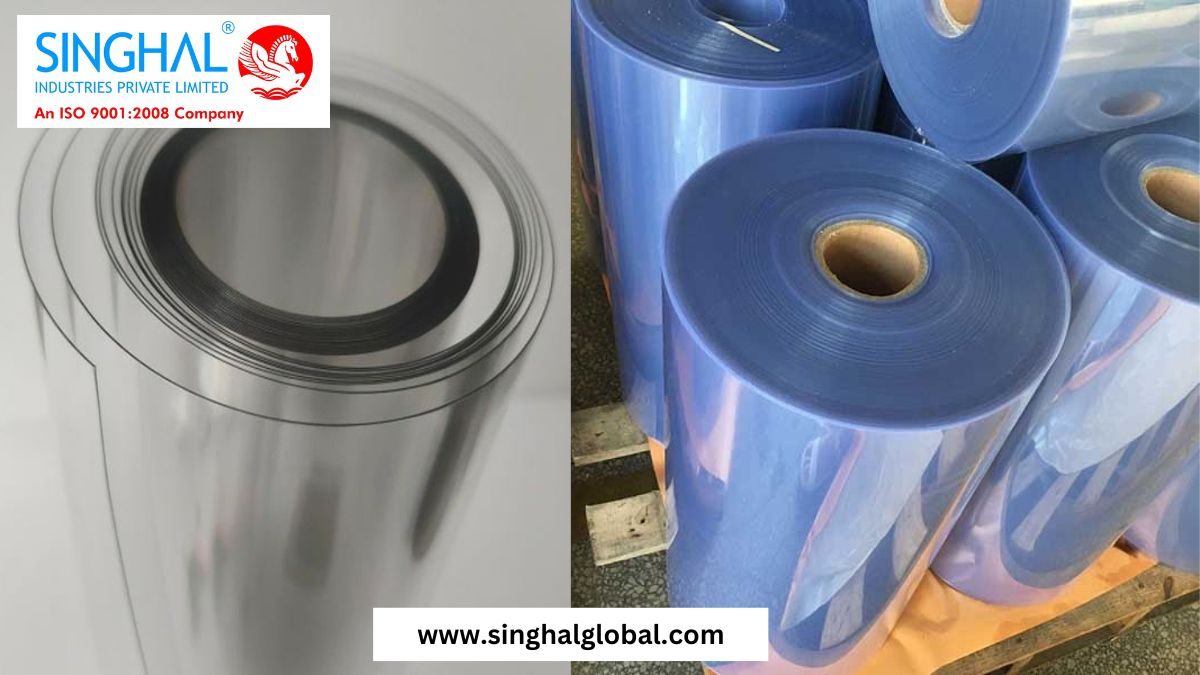
In the world of manufacturing, design, and packaging, vacuum forming plastic sheets have emerged as one of the most versatile and widely used materials. Vacuum forming is a process that uses heat to soften a sheet of plastic, followed by a vacuum to shape it around a mold. This process allows for the creation of high-quality, custom plastic parts and components that are used in various industries, from automotive and packaging to consumer goods and medical devices.
In this article, we will explore the benefits, uses, and applications of vacuum forming plastic sheets, with a particular focus on vacuum forming plastic sheets manufacturers in India, vacuum forming sheet manufacturers in Ahmedabad, and how the industry is evolving in India. We will also answer common questions about vacuum forming and provide a summary of key points.
What Are Vacuum Forming Plastic Sheets?
Vacuum forming plastic sheets are flat plastic materials that are shaped using a vacuum forming process. The process involves heating the plastic sheet until it becomes soft and pliable. The heated sheet is then draped over a mold, and a vacuum is applied to draw the sheet tightly against the mold’s surface. Once the sheet cools and hardens, it takes on the shape of the mold, creating a custom, high-quality plastic component.
The materials used in vacuum forming are typically thermoplastics, which become soft when heated and retain their new shape once cooled. Common plastics used in vacuum forming include ABS, PET, PVC, polystyrene, and polycarbonate. These plastics are chosen for their excellent forming properties, durability, and versatility.
Advantages of Vacuum Forming Plastic Sheets
-
Cost-Effective for Low to Medium Production Runs:
One of the key benefits of vacuum forming is its cost-effectiveness, especially for low to medium production volumes. Unlike injection molding, which requires expensive molds and tooling, vacuum forming molds are generally simpler and less expensive to produce. This makes vacuum forming an ideal choice for manufacturers needing custom parts or products in smaller quantities. -
Design Flexibility:
Vacuum forming allows for the creation of complex shapes and intricate details with high accuracy. This flexibility makes it a popular choice in industries where design plays a crucial role. Whether it’s a packaging product with intricate designs, automotive components, or decorative panels, vacuum forming offers the versatility to meet diverse design requirements. -
Material Variety:
There is a wide range of materials that can be used in vacuum forming, offering manufacturers the ability to select the material that best suits their needs. Materials like ABS, PVC, PET, and polycarbonate provide different properties such as impact resistance, chemical resistance, UV stability, and clarity, making vacuum forming suitable for applications in various industries. -
Lightweight Yet Strong:
Vacuum-formed plastic sheets are lightweight, which reduces transportation and handling costs. Despite being lightweight, these sheets maintain a strong, rigid structure, making them ideal for packaging, protective covers, and structural components. -
Short Lead Times:
The vacuum forming process is relatively fast, allowing manufacturers to produce parts and products in a short period. The simplicity of the mold and the quick heating and cooling cycle contribute to reduced lead times, which is beneficial for industries requiring rapid prototyping or fast production runs.
Applications of Vacuum Forming Plastic Sheets
The Vacuum forming plastic sheets have a wide range of applications across numerous industries, thanks to their versatility and durability. Below are some of the primary uses:
-
Packaging:
Vacuum-formed plastic sheets are commonly used in packaging applications. The process allows for the creation of custom blister packs, clamshells, and trays for consumer products. The packaging is durable, lightweight, and can be molded to perfectly fit the product, offering enhanced protection during transportation and display. -
Automotive Industry:
In the automotive industry, vacuum forming is used to create various interior and exterior components. These include dashboard panels, interior trims, door panels, and decorative elements. Vacuum-formed plastic sheets provide the durability and flexibility needed to produce parts that are both functional and aesthetically pleasing. -
Medical and Healthcare Products:
Vacuum forming is widely used in the medical field to produce items such as medical trays, instrument housings, and protective covers. The process allows for the creation of precise and durable components that are required for medical devices and equipment. -
Consumer Electronics:
Consumer electronics, such as TVs, computers, and mobile devices, often use vacuum-formed plastic sheets for components such as housings, casings, and protective covers. The ability to form complex shapes and intricate designs makes vacuum forming an ideal choice for these applications. -
Signage and Display:
Vacuum forming is used to produce custom signage, point-of-sale displays, and retail displays. The process allows for the creation of 3D displays and signs that stand out, with intricate details and vibrant colors that capture attention. -
Construction and Architecture:
In the construction industry, vacuum-formed plastic sheets are used for applications such as cladding, decorative panels, and skylights. The ability to form large sheets of plastic with varying textures and finishes makes vacuum forming an attractive option for architectural elements.
Vacuum Forming in India
Vacuum forming plastic sheets manufacturers in India are playing a pivotal role in providing high-quality plastic components for various industries. India’s growing manufacturing sector has led to an increase in demand for Vacuum forming sheets manufacturers in India, especially for custom parts and packaging solutions. As India moves towards becoming a global manufacturing hub, the vacuum forming process has become an essential part of production for many businesses.
Similarly, Vacuum forming sheet manufacturers in Ahmedabad are particularly known for their high-quality production capabilities, with companies in the region catering to both domestic and international markets. These manufacturers offer a wide range of plastic materials and can customize their products according to the unique needs of their clients.
As the demand for custom plastic components continues to rise, manufacturers in India are investing in advanced technology and machinery to improve the efficiency and precision of the vacuum forming process. This has led to a significant improvement in the quality and consistency of vacuum-formed products coming from India.
WPC Forming Process: How It Works
-
Heating:
The first step in the vacuum forming process involves heating the plastic sheet until it becomes soft and pliable. The sheet is placed in a heating element, which warms the plastic to a specific temperature, depending on the type of plastic being used. -
Forming:
Once the plastic sheet is heated, it is placed over a mold. The vacuum system is activated to create a suction effect that pulls the plastic sheet tightly against the mold, conforming to its shape. -
Cooling:
After the plastic has conformed to the mold, it is allowed to cool. Once the plastic has cooled and hardened, it retains the shape of the mold, and the formed part is ready for further processing or finishing.
FAQs About Vacuum Forming Plastic Sheets
Q1: What materials are used in vacuum forming plastic sheets?
Common materials used in vacuum forming include ABS, PVC, PET, polycarbonate, and polystyrene. These materials are chosen for their ability to soften when heated and retain their shape once cooled.
Q2: Can vacuum forming be used for mass production?
While vacuum forming is ideal for low to medium production runs, it can also be used for mass production with the appropriate tools and techniques. For large-scale production, manufacturers may need to invest in automated machinery to increase efficiency.
Q3: Is vacuum forming suitable for custom shapes and designs?
Yes, vacuum forming is highly suitable for creating custom shapes and intricate designs. The process allows manufacturers to create complex components that meet specific design requirements.
