

Unleash the Power of AI: Chatbot Application Development Solutions for Businesses
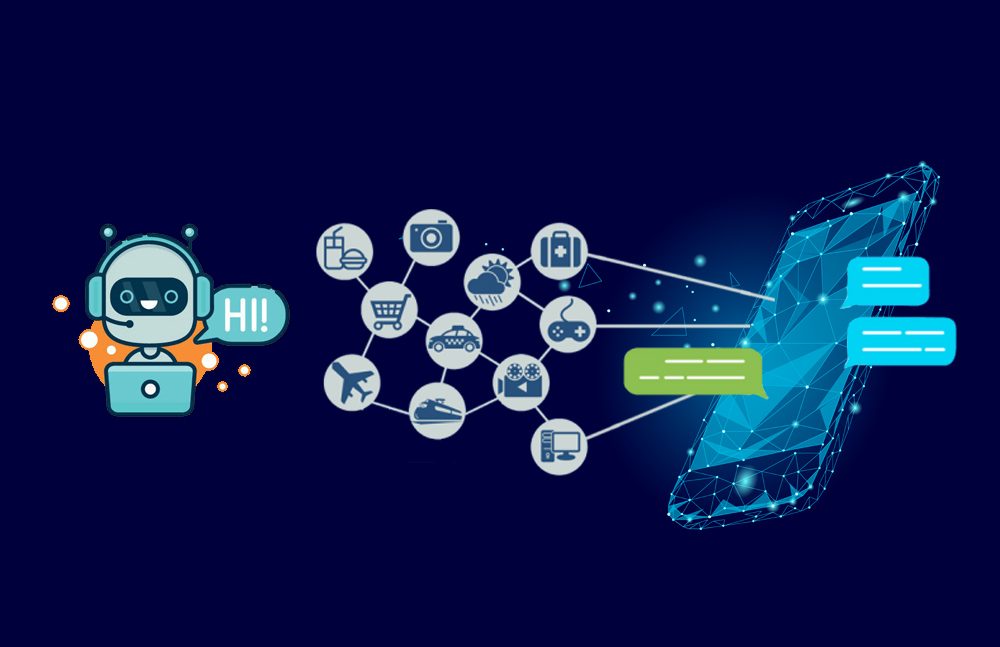
Chatbots have become an integral part of modern businesses, providing a seamless and efficient way to interact with customers. Chatbot application development solutions play a crucial role in creating these intelligent virtual assistants that can understand and respond to user queries in a conversational manner. These solutions involve the use of programming languages, frameworks, and tools to build, deploy, and manage chatbots across various platforms. The development process includes designing the chatbot’s conversational flow, integrating natural language processing (NLP) capabilities, implementing machine learning algorithms, and ensuring security and privacy. Chatbot application development solutions enable businesses to create personalized and engaging experiences for their customers, automate repetitive tasks, and improve overall operational efficiency.
Furthermore, chatbot application development solutions also involve the use of conversational user interfaces (CUI) to design the chatbot’s interaction with users. This includes creating intuitive and user-friendly interfaces that mimic human conversation, making it easier for users to communicate with the chatbot. Additionally, these solutions focus on measuring and improving chatbot performance through analytics, allowing businesses to gain insights into user interactions, identify areas for improvement, and enhance the overall user experience. In essence, chatbot application development solutions are essential for businesses looking to leverage the power of AI and automation to enhance customer engagement and streamline their operations.
Choosing the Right Platform for Chatbot Development
When it comes to chatbot development, choosing the right platform is crucial for ensuring the success of the project. There are various platforms available for building chatbots, each with its own set of features, capabilities, and limitations. Businesses need to carefully evaluate their requirements and objectives to select the most suitable platform for their chatbot development needs. Some popular platforms for chatbot development include Microsoft Bot Framework, IBM Watson, Google Dialogflow, Amazon Lex, and many others. These platforms offer a range of tools and resources for building, deploying, and managing chatbots across different channels such as websites, mobile apps, messaging platforms, and voice assistants.
Moreover, the choice of platform also depends on the type of chatbot being developed, whether it’s a rule-based chatbot, AI-powered chatbot, or a hybrid model. Rule-based chatbots follow predefined rules and patterns to respond to user queries, while AI-powered chatbots leverage machine learning and NLP to understand and generate responses. Hybrid models combine both rule-based and AI-powered approaches to provide more accurate and context-aware interactions. Additionally, businesses need to consider factors such as scalability, integration capabilities, security features, and cost when selecting a platform for chatbot development. By choosing the right platform, businesses can ensure that their chatbots are built on a solid foundation with the necessary tools and resources to deliver exceptional user experiences.
Integrating Natural Language Processing into Chatbot Solutions
Natural Language Processing (NLP) is a key component of chatbot solutions that enables them to understand and interpret human language. NLP involves the use of algorithms and techniques to analyze and process natural language data, allowing chatbots to comprehend user queries, extract relevant information, and generate appropriate responses. Integrating NLP into chatbot solutions is essential for creating intelligent virtual assistants that can engage in meaningful conversations with users. This involves leveraging NLP libraries, APIs, and frameworks such as NLTK, spaCy, Stanford NLP, and others to perform tasks such as tokenization, part-of-speech tagging, named entity recognition, sentiment analysis, and language modeling.
Furthermore, NLP enables chatbots to handle complex language structures, understand context and intent, and provide accurate and context-aware responses. By integrating NLP into chatbot solutions, businesses can improve the overall user experience by enabling more natural and human-like interactions. Additionally, NLP also plays a crucial role in enhancing the accuracy and effectiveness of chatbots by enabling them to understand user sentiment, detect language nuances, and adapt to different communication styles. Overall, integrating NLP into chatbot solutions is essential for creating intelligent virtual assistants that can effectively communicate with users in a conversational manner.
Designing Conversational User Interfaces for Chatbots
Conversational User Interfaces (CUI) are an essential aspect of chatbot development that focuses on designing the interaction between the chatbot and the user. CUI involves creating intuitive and user-friendly interfaces that mimic human conversation, making it easier for users to communicate with the chatbot. This includes designing the chatbot’s conversational flow, structuring dialogue prompts, handling user inputs, and providing relevant feedback. CUI also encompasses visual design elements such as text formatting, emojis, images, and buttons to enhance the overall user experience. By designing conversational user interfaces for chatbots, businesses can create engaging and personalized interactions that resonate with their target audience.
Moreover, CUI also involves considering factors such as user context, preferences, and behavior to tailor the conversation accordingly. This includes personalizing responses based on user history, providing relevant recommendations, and adapting to different communication styles. Additionally, designing conversational user interfaces for chatbots also requires testing and iterating on the interface design to ensure that it aligns with user expectations and delivers a seamless experience. By focusing on CUI design, businesses can create chatbots that are not only functional but also intuitive and enjoyable to interact with. In essence, designing conversational user interfaces for chatbots is crucial for creating engaging and effective virtual assistants that can effectively communicate with users.
Implementing Machine Learning Algorithms for Chatbot Intelligence
Machine Learning (ML) algorithms play a crucial role in enhancing the intelligence and capabilities of chatbots by enabling them to learn from data and improve over time. Implementing ML algorithms into chatbot solutions involves training models on large datasets of conversational data to understand language patterns, context, intent, and sentiment. This enables chatbots to generate more accurate responses, handle complex queries, and adapt to different user interactions. ML algorithms such as deep learning, reinforcement learning, natural language understanding (NLU), and natural language generation (NLG) are commonly used in chatbot development to enhance their intelligence.
Furthermore, ML algorithms enable chatbots to perform tasks such as entity recognition, intent classification, sentiment analysis, language translation, and content recommendation with high accuracy. By implementing ML algorithms into chatbot solutions, businesses can create virtual assistants that are capable of understanding user queries in a more nuanced manner and providing relevant and context-aware responses. Additionally, ML algorithms also enable chatbots to continuously learn from user interactions and improve their performance over time. This allows businesses to deliver more personalized experiences and enhance customer engagement through intelligent virtual assistants powered by machine learning.
Ensuring Security and Privacy in Chatbot Development
Security and privacy are critical considerations in chatbot development to ensure that user data is protected and confidentiality is maintained. Chatbots often handle sensitive information such as personal details, financial data, and confidential business information which makes it essential to implement robust security measures. This involves encrypting data transmission between the user and the chatbot using secure protocols such as SSL/TLS to prevent unauthorized access or interception. Additionally, businesses need to implement authentication mechanisms such as OAuth or JWT to verify user identity before accessing sensitive information through the chatbot.
Moreover, ensuring privacy in chatbot development involves adhering to data protection regulations such as GDPR, CCPA, HIPAA, and others to safeguard user privacy rights. This includes obtaining explicit consent from users before collecting personal data through the chatbot and providing transparent information about how their data will be used. Businesses also need to implement data retention policies to ensure that user data is not stored longer than necessary and is securely deleted when no longer needed. By ensuring security and privacy in chatbot development, businesses can build trust with their users and demonstrate a commitment to protecting their sensitive information.
Measuring and Improving Chatbot Performance through Analytics
Measuring and improving chatbot performance through analytics is essential for businesses to gain insights into user interactions, identify areas for improvement, and enhance the overall user experience. This involves tracking key performance metrics such as conversation completion rate, response time, user satisfaction scores, error rates, and engagement levels to assess the effectiveness of the chatbot. By analyzing these metrics, businesses can identify patterns in user behavior, understand common pain points, and optimize the chatbot’s conversational flow to deliver more accurate responses.
Furthermore, analytics also enable businesses to gain insights into user preferences, trends in conversation topics, frequently asked questions (FAQs), and areas where the chatbot can provide additional value. This allows businesses to tailor the chatbot’s responses accordingly and provide more personalized experiences for users. Additionally, analytics also play a crucial role in identifying opportunities for expanding the chatbot’s capabilities by identifying new use cases or integrating with other systems or services. By measuring and improving chatbot performance through analytics, businesses can continuously enhance their virtual assistants to meet evolving user needs and deliver exceptional customer experiences.
In conclusion,
Chatbot application development solutions play a crucial role in creating intelligent virtual assistants that can engage in meaningful conversations with users. Choosing the right platform for chatbot development is essential for ensuring the success of the project by selecting a platform with the necessary tools and resources to deliver exceptional user experiences. Integrating Natural Language Processing (NLP) into chatbot solutions is essential for creating intelligent virtual assistants that can effectively communicate with users in a conversational manner. Designing Conversational User Interfaces (CUI) for chatbots is crucial for creating engaging virtual assistants that can effectively communicate with users.
Implementing Machine Learning (ML) algorithms into chatbot solutions involves training models on large datasets of conversational data to understand language patterns which enables them to generate more accurate responses. Ensuring Security and Privacy in chatbot development is critical for protecting user data from unauthorized access or interception while Measuring and Improving Chatbot Performance through analytics is essential for gaining insights into user interactions which allows businesses to tailor the chatbot’s responses accordingly.
Overall,
Chatbot application development solutions are essential for businesses looking to leverage the power of AI and automation to enhance customer engagement while streamlining their operations. By choosing the right platform for chatbot development businesses can ensure that their virtual assistants are built on a solid foundation with the necessary tools while integrating Natural Language Processing (NLP) into their solutions enables them to understand language patterns which enables them to generate more accurate responses.
Designing Conversational User Interfaces (CUI) for chatbots is crucial for creating engaging virtual assistants that can effectively communicate with users while implementing Machine Learning (ML) algorithms into their solutions enables them to continuously learn from user interactions which allows them to improve their performance over time.
Ensuring Security and Privacy in chatbot development is critical for protecting user data from unauthorized access or interception while Measuring and Improving Chatbot Performance through analytics is essential for gaining insights into user interactions which allows businesses to tailor the chatbot’s responses accordingly.
In conclusion,
Chatbot application development solutions are essential for businesses looking to leverage the power of AI while choosing the right platform for chatbot development is crucial for ensuring success by selecting a platform with necessary tools while integrating Natural Language Processing (NLP) into their solutions enables them to understand language patterns which enables them to generate more accurate responses.
Designing Conversational User Interfaces (CUI) for chatbots is crucial for creating engaging virtual assistants that can effectively communicate with users while implementing Machine Learning (ML) algorithms into their solutions enables them to continuously learn from user interactions which allows them to improve their performance over time.
Ensuring Security and Privacy in chatbot development is critical for protecting user data from unauthorized access or interception while Measuring and Improving Chatbot Performance through analytics is essential for gaining insights into user interactions which allows businesses to tailor the chatbot’s responses accordingly.
Overall,
Chatbot application development solutions are essential for businesses looking to leverage the power of AI while choosing the right platform for chatbot development is crucial for ensuring success by selecting a platform with necessary tools while integrating Natural Language Processing (NLP) into their solutions enables them to understand language patterns which enables them to generate more accurate responses.
Designing Conversational User Interfaces (CUI) for chatbots is crucial for creating engaging virtual assistants that can effectively communicate with users while implementing Machine Learning (ML) algorithms into their solutions enables them to continuously learn from user interactions which allows them to improve their performance over time.
Ensuring Security and Privacy in chatbot development is critical for protecting user data from unauthorized access or interception while Measuring and Improving Chatbot Performance through analytics is essential for gaining insights into user interactions which allows businesses to tailor the chatbot’s responses accordingly.
In conclusion,
Chatbot application development solutions are essential for businesses looking to leverage the power of AI while choosing the right platform for chatbot development is crucial for ensuring success by selecting a platform with necessary tools while integrating Natural Language Processing (NLP) into their solutions enables them to understand language patterns which enables them to generate more accurate responses.
Designing Conversational User Interfaces (CUI) for chatbots is crucial for creating engaging virtual assistants that can effectively communicate with users while implementing Machine Learning (ML) algorithms into their solutions enables them to continuously learn from user interactions which allows them to improve their performance over time.
Ensuring Security and Privacy in chatbot development is critical for protecting user data from unauthorized access or interception while Measuring and Improving Chatbot Performance through analytics is essential for gaining insights into user interactions which allows businesses to tailor the chatbot’s responses accordingly.
Overall,
Chatbot application development solutions are essential for businesses looking to leverage the power of AI while choosing the right platform for chatbot development is crucial for ensuring success by selecting a platform with necessary tools while integrating Natural Language Processing (NLP) into their solutions enables them to understand language patterns which enables them to generate more accurate responses.
Designing Conversational User Interfaces (CUI) for chatbots is crucial for creating engaging virtual assistants that can effectively communicate with users while implementing Machine Learning (ML) algorithms into their solutions enables them to continuously learn from user interactions which allows them to improve their performance over time.
Ensuring Security and Privacy in chatbot development is critical for protecting user data from unauthorized access or interception while Measuring and Improving Chatbot Performance through analytics is essential for gaining insights into user interactions which allows businesses to tailor the chatbot’s responses accordingly.
In conclusion,
Chatbot application development solutions are essential for businesses looking to leverage the power of AI while choosing the right platform for chatbot development is crucial for ensuring success by selecting a platform with necessary tools while integrating Natural Language Processing (NLP) into their solutions enables them to understand language patterns which enables them to generate more accurate responses.
Designing Conversational User Interfaces (CUI) for chatbots is crucial for creating engaging virtual assistants that can effectively communicate with users while implementing Machine Learning (ML) algorithms into their solutions enables them to continuously learn from user interactions which allows them to improve their performance over time.
Ensuring Security and Privacy in chatbot technology is crucial for building trust with users. Implementing end-to-end encryption and secure data storage methods can help protect sensitive information exchanged during conversations. Additionally, providing users with clear and transparent privacy policies, as well as giving them control over their personal data, can help alleviate concerns about privacy. Regular security audits and updates to address potential vulnerabilities are also essential for maintaining a secure chatbot platform. By prioritizing security and privacy measures, chatbot developers can create a safe and trustworthy environment for users to engage in conversations without compromising their personal information.
