

Introduction
Injection molding machines play a crucial role in modern manufacturing by producing high-precision plastic parts at scale. From automotive components to medical devices, these machines enable mass production with consistency and efficiency. In this comprehensive guide, we will explore what an injection molding machine is, how it works, its types, applications, and factors to consider when choosing one.
What is an Injection Molding Machine?
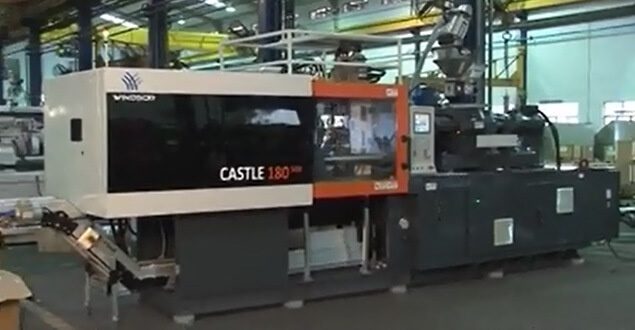
An injection molding machine is a specialized manufacturing device used to produce plastic parts by injecting molten material into a mold. The machine consists of three main components:
-
Injection Unit – Melts and injects plastic into the mold.
-
Clamping Unit – Holds and secures the mold during the process.
-
Control System – Manages the entire operation to ensure precision and efficiency.
How Does an Injection Molding Machine Work?
The injection molding process follows a systematic cycle that includes:
1. Clamping
The mold is securely closed using hydraulic or mechanical force to withstand the injection pressure.
2. Injection
Molten plastic is injected into the mold cavity at high pressure through a nozzle.
3. Cooling
The injected plastic cools and solidifies inside the mold, forming the desired shape.
4. Ejection
Once cooled, the mold opens, and the finished product is ejected for further processing.
Types of Injection Molding Machines
There are various types of injection molding machines, each designed for specific applications:
1. Hydraulic Injection Molding Machines
These machines use hydraulic systems for operation and are known for their high clamping force and durability. They are commonly used for large-scale manufacturing.
2. Electric Injection Molding Machines
Fully electric machines are energy-efficient, precise, and offer faster cycle times compared to hydraulic models. They are ideal for medical, electronics, and precision applications.
3. Hybrid Injection Molding Machines
A combination of hydraulic and electric technologies, hybrid machines offer energy efficiency while maintaining the power of hydraulic machines.
4. Vertical Injection Molding Machines
Used for insert molding and overmolding, vertical machines allow easy loading of inserts before injection.
Applications of Injection Molding Machines
Injection molding machines are widely used in various industries, including:
1. Automotive Industry
Manufacturing dashboards, bumpers, and interior components.
2. Medical Industry
Producing syringes, implants, and diagnostic equipment components.
3. Consumer Goods
Creating everyday products like toothbrushes, containers, and packaging materials.
4. Electronics Industry
Manufacturing casings, connectors, and insulation parts.
5. Aerospace Industry
Producing lightweight plastic components for aircraft and spacecraft.
Advantages of Using Injection Molding Machines
1. High Efficiency and Mass Production
Injection molding allows for the rapid production of thousands to millions of identical parts.
2. Precision and Consistency
Machines ensure uniformity in shape, size, and material properties.
3. Cost-Effectiveness
Once the mold is developed, production costs are relatively low, making it an economical solution for mass manufacturing.
4. Versatile Material Usage
Injection molding supports a wide range of materials, including thermoplastics, thermosetting plastics, and elastomers.
5. Reduced Waste
Advanced injection molding techniques enable recycling of excess plastic, making it environmentally friendly.
Factors to Consider When Choosing an Injection Molding Machine
1. Clamping Force
Determines the machine’s capability to hold the mold securely during injection.
2. Shot Size
Refers to the maximum amount of material that can be injected in one cycle.
3. Material Compatibility
Ensure the machine supports the type of plastic required for your application.
4. Cycle Time
Faster cycle times improve production efficiency and output.
5. Energy Efficiency
Electric and hybrid machines offer energy savings compared to hydraulic models.
Future Trends in Injection Molding Machines
1. Smart Manufacturing & Industry 4.0
The integration of IoT and AI in injection molding machines enhances automation, efficiency, and predictive maintenance.
2. Sustainable Manufacturing
Advancements in biodegradable plastics and recycled materials contribute to eco-friendly production.
3. Advanced Materials
New high-performance polymers allow for stronger, lightweight, and heat-resistant components.
Conclusion
Injection molding machines have revolutionized the manufacturing industry, offering efficiency, precision, and scalability. Whether for automotive, medical, or consumer goods applications, selecting the right machine is crucial for achieving quality and cost-effectiveness. As technology advances, these machines continue to evolve, incorporating smart and sustainable innovations for the future of production.
