

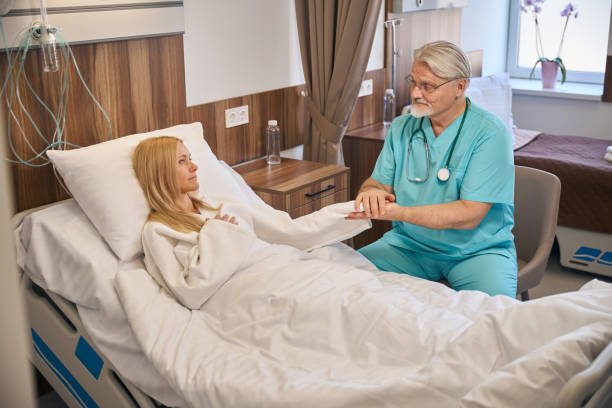
The demand for comprehensive healthcare services is ever growing in the bustling metropolitan areas of New York City (NYC) and Long Island. Among the myriad of services available, bedside aides are crucial in providing personalized care to patients in hospitals and at home. But what exactly does a bedside aide do, and why are they so essential in these densely populated regions? Let’s find out about the specifics of bedside aide services, particularly within the hospital setting, and explore their significance in NYC and Long Island.
What is a Bedside Aide?
A bedside aide, also known as a patient care assistant or hospital aide, is a healthcare professional dedicated to assisting patients with their daily needs like feeding tubes, ileostomy, colostomy, infusion, medication, hospice care, tube feeding, iv infusion, intubation, private duty nursing, etc. while they are in a hospital. A bedside aide for hospital works under the supervision of registered nurses (RNs) and other medical staff to ensure patients receive the highest level of care and comfort during their stay.
Services Provided by Bedside Aides
1. Personal Care
Bedside aides assist patients with personal hygiene activities such as bathing, grooming, dressing, and toileting. This is especially important for patients who are bedridden or have limited mobility. In NYC hospitals, where patient turnover can be high, bedside aides ensure that each patient’s personal care needs are met promptly and with dignity.
2. Mobility Assistance
Many patients require help moving around the hospital. Bedside aides help with transferring patients from beds to wheelchairs, assisting with ambulation, and preventing falls. This service is crucial in both NYC’s bustling hospitals and the more serene settings of Long Island, where patient safety is a top priority.
3. Feeding and Nutrition
Ensuring that patients receive adequate nutrition is a key responsibility of bedside aides. They assist with feeding patients who cannot feed themselves, monitor dietary restrictions, and ensure that meals meet the nutritional requirements prescribed by healthcare providers. In diverse areas like NYC and Long Island, dietary needs can be varied, making the role of bedside aides even more critical.
4. Vital Signs Monitoring
Bedside aides regularly check and record patients’ vital signs, including temperature, pulse, respiration, and blood pressure. This information is crucial for monitoring patients’ health status and alerting medical staff to any significant changes. In fast-paced NYC hospitals, timely monitoring can be life-saving, while in Long Island’s hospitals, it ensures continuous and careful observation.
5. Emotional Support
Hospital stays can be stressful and emotionally taxing for patients. Bedside aides provide much-needed companionship and emotional support, helping to alleviate anxiety and depression. This compassionate care is essential in the vibrant yet often overwhelming environment of NYC hospitals and the more community-oriented hospitals in Long Island.
6. Medical Equipment Assistance
Bedside aides are trained to handle and maintain medical equipment such as catheters, oxygen machines, and IVs. They ensure that these devices function correctly and assist in their application and removal, working closely with nursing staff to manage patients’ medical needs efficiently.
7. Communication with the Healthcare Team
Effective communication between patients and the healthcare team is vital. Bedside aides act as intermediaries, relaying patient concerns, symptoms, and needs to doctors and nurses. This ensures that patients in NYC and Long Island receive cohesive and coordinated care.
The Importance of Bedside Aides in NYC and Long Island
NYC: A Hub of Healthcare Excellence
New York City, with its vast and diverse population, is home to some of the nation’s top hospitals. The sheer volume of patients necessitates a robust support system, where bedside aide for hospital plays an indispensable role. Hospitals in NYC, such as NewYork-Presbyterian and Mount Sinai, rely heavily on bedside aides to maintain the high standards of care they are known for. The fast-paced nature of NYC means that bedside aides must be quick, efficient, and highly adaptable.
Long Island: Community-Focused Care
Long Island, while less hectic than NYC, has its own set of healthcare challenges. Hospitals in this region, including Northwell Health and Stony Brook University Hospital, emphasize community-focused care. Bedside aides in Long Island often have the opportunity to build more personal relationships with patients, providing continuity of care that enhances patient satisfaction and outcomes. The presence of bedside aides in Long Island ensures that patients receive the same level of dedicated care found in larger city hospitals but within a more intimate and familiar setting.
Training and Qualifications
Education and Certification
Most bedside aides possess a high school diploma or GED and have completed a certified nursing assistant (CNA) program. These programs provide foundational knowledge in patient care, medical terminology, and basic nursing skills. In states like New York, additional certification and training might be required to work in hospital settings.
Skills and Attributes
Bedside aides must have excellent communication skills, empathy, and patience. They should be physically fit, as the job often requires lifting and moving patients. Attention to detail and the ability to follow instructions accurately are also critical.
Continuing Education
To stay updated with the latest healthcare practices, bedside aides are encouraged to pursue continuing education. This can include specialized training in areas such as dementia care, infection control, and emergency response.
The Future of Bedside Aide Services
Technological Advancements
The integration of technology in healthcare is transforming bedside aide services. From electronic health records (EHRs) to telehealth, bedside aide for hospital are increasingly using technology to enhance patient care. In tech-savvy areas like NYC, bedside aides might use apps and digital tools to track patient progress and communicate with the healthcare team. Long Island hospitals are also adopting these technologies, albeit at a different pace, focusing on blending traditional care with modern advancements.
Increased Demand
The aging population and the rising prevalence of chronic diseases are driving the demand for bedside aides. In both NYC and Long Island, there is a growing need for skilled aides who can provide specialized care to elderly patients and those with long-term health conditions.
Policy and Regulation Changes
Healthcare policies and regulations continue to evolve, impacting the roles and responsibilities of bedside aides. In New York State, initiatives aimed at improving patient care quality and safety often result in new guidelines that bedside aides must adhere to. These changes ensure that bedside aides are always at the forefront of providing the best possible care.
Conclusion
Bedside aide for hospital are an integral part of the healthcare system, particularly in dynamic and diverse regions like NYC and Long Island. They provide essential services that enhance patient comfort, safety, and overall well-being. As the demand for healthcare services continues to rise, the role of bedside aides will only become more crucial. By understanding the comprehensive range of services they provide, we can better appreciate the invaluable contributions of bedside aides in hospitals. Whether in the fast-paced hospitals of NYC or the community-focused healthcare facilities of Long Island, bedside aides ensure that every patient receives the care and attention they deserve.
For more information, call us at: 1-844-331-0006
