

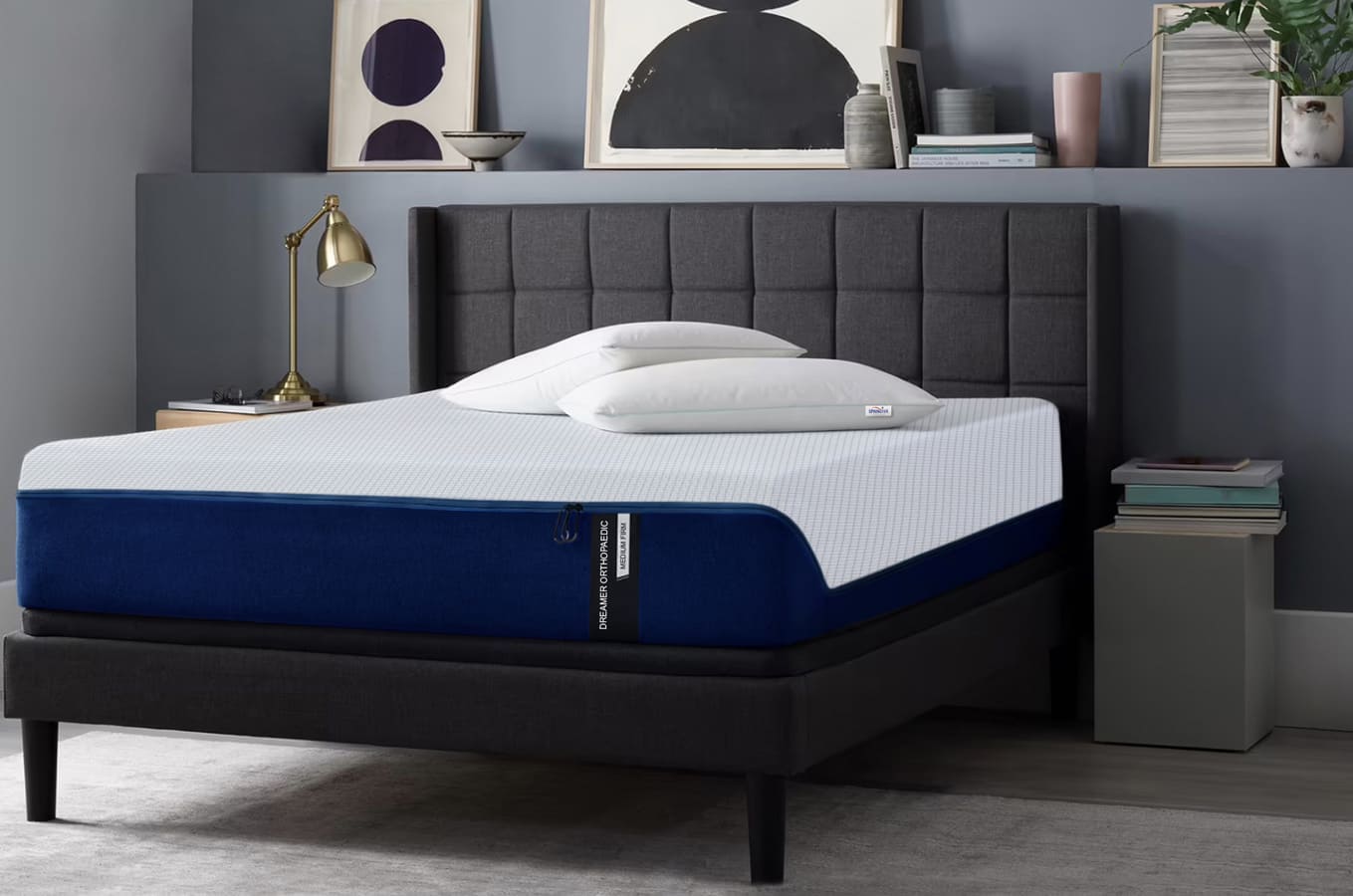
Choosing the right mattress can feel overwhelming, especially when you walk into a store and see an entire wall of options. Among the most popular choices today is the foam mattress, which comes in a few different types, each designed to offer unique comfort and support. If you’ve ever wondered what the differences are between memory foam, polyfoam, and latex foam, you’re in the right place. Let’s break it down in a simple, human-friendly way.
What is a Foam Mattress?
Before diving into the types, let’s clarify what a foam mattress actually is. Unlike traditional spring mattresses, foam mattresses are made entirely of foam layers. These layers can vary in density, firmness, and material, affecting how the mattress feels and performs. The main advantage of a foam mattress is its ability to contour to your body, providing targeted support and relieving pressure points. Plus, foam mattresses are generally quieter, lightweight, and easier to maintain than their spring counterparts.
Now, let’s explore the three main types of foam mattresses.
1. Memory Foam Mattress
When people think of foam mattresses, the first thing that often comes to mind is memory foam. Developed originally by NASA in the 1960s, memory foam was designed to absorb pressure and improve comfort. Today, it’s one of the most popular mattress types worldwide.
How Memory Foam Works
Memory foam is known for its “viscoelastic” properties, which basically means it’s soft, moldable, and responsive to your body heat. When you lie down, the foam slowly conforms to your body shape, distributing weight evenly. When you get up, it slowly returns to its original shape, creating that famous “slow bounce-back” effect.
Benefits of Memory Foam
-
Pressure relief: Memory foam molds around your hips, shoulders, and back, reducing stress on pressure points.
-
Motion isolation: If you sleep with a partner, movements on one side of the bed are less likely to disturb the other side.
-
Supportive comfort: Memory foam adapts to your body, offering consistent support throughout the night.
Considerations
While memory foam is fantastic for comfort, it tends to retain heat, which can make it less ideal for hot sleepers. However, many modern memory foam mattresses include cooling gels or open-cell structures to improve airflow.
2. Polyfoam Mattress
Polyfoam, also known as polyurethane foam, is the most basic type of foam used in mattresses. It’s lighter and less dense than memory foam, which can make it more affordable but also slightly less durable.
How Polyfoam Works
Polyfoam comes in a variety of densities and firmness levels. Higher-density polyfoam offers better support and longevity, while lower-density versions are softer and often used as a comfort layer rather than the base. Unlike memory foam, polyfoam doesn’t contour as slowly—it’s more springy and responsive, giving a slightly bouncy feel.
Benefits of Polyfoam
-
Affordable: Polyfoam mattresses are usually more budget-friendly.
-
Lightweight: Easier to move or flip compared to memory foam or latex mattresses.
-
Good for layering: Polyfoam often serves as the supportive core in hybrid mattresses, combining well with other materials.
Considerations
Polyfoam can wear out faster than memory or latex foam, particularly low-density versions. If you’re looking for longevity, always check the foam density before buying.
3. Latex Foam Mattress
Latex mattress are often seen as the premium choice among foam options. They can be made from natural latex (derived from rubber tree sap) or synthetic latex (made chemically), or even a blend of both.
How Latex Foam Works
Latex foam is naturally resilient, offering a springy, bouncy feel while still providing excellent contouring. Unlike memory foam, latex responds quickly to pressure, so you don’t get that slow sink-in sensation. It’s also breathable and naturally hypoallergenic, making it a great option for allergy sufferers.
Benefits of Latex Foam
-
Durable: Latex mattresses can last 10–15 years or more.
-
Cool sleep: Natural latex has an open-cell structure that promotes airflow.
-
Eco-friendly: 100% natural latex is biodegradable and sustainable.
-
Supportive yet bouncy: Perfect for those who want contouring without feeling “stuck” in the bed.
Considerations
Latex mattresses tend to be more expensive than memory or polyfoam mattresses. They can also be heavier, which might make moving or flipping them slightly challenging.
Choosing the Right Foam Mattress
So, with these three options on the table, how do you decide which foam mattress is right for you? Here are some general guidelines:
-
Memory Foam: Ideal if you want a mattress that hugs your body and relieves pressure points. Perfect for side sleepers and couples.
-
Polyfoam: A good choice if you’re on a budget or need a lightweight mattress for guest rooms or temporary setups.
-
Latex Foam: Best if you want durability, a natural material, and a bouncy yet supportive feel.
Other Factors to Consider
-
Sleeping position: Side sleepers often prefer softer foam to cushion shoulders and hips, while back and stomach sleepers may need firmer foam for spinal alignment.
-
Body weight: Heavier individuals might prefer higher-density foam for better support and longevity.
-
Temperature: Hot sleepers should look for breathable or gel-infused foam to prevent overheating.
Final Thoughts
A foam mattress is more than just a place to sleep—it’s an investment in your comfort, health, and overall quality of life. Memory foam, polyfoam, and latex foam each bring something unique to the table, whether it’s the contouring hug of memory foam, the affordability and versatility of polyfoam, or the durability and eco-friendliness of latex foam. Understanding these differences can help you make a well-informed decision and find the perfect mattress that matches your sleeping style and preferences.
Sleep is personal, and the right mattress can transform your nights. Whether you want the slow embrace of memory foam, the light and bouncy feel of polyfoam, or the natural resilience of latex foam, there’s a foam mattress out there designed just for you. Take the time to consider your needs, try them out if possible, and enjoy the incredible comfort that a good foam mattress can bring.
