

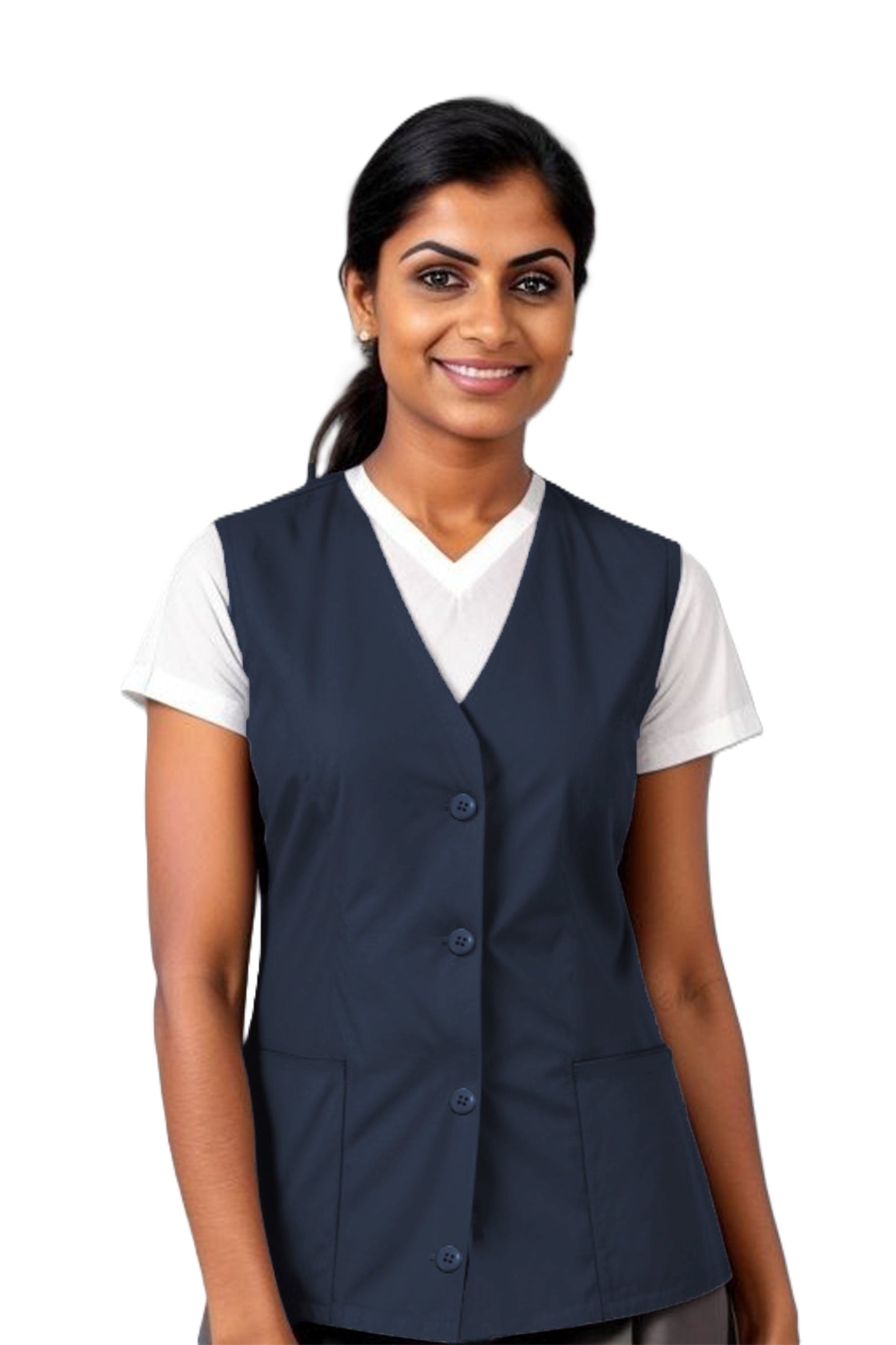
Healthcare apparel has come a long way from basic uniforms that focused only on hygiene and identification. Today, hospital dress design is evolving rapidly to meet the real-world needs of doctors, nurses, surgeons, and support staff. Modern healthcare professionals spend long hours on their feet, moving between departments, handling emergencies, and providing patient care. Naturally, what they wear needs to support both comfort and performance.
This is why the latest trends in hospital dress design are not just about appearance—they are about functionality, comfort, confidence, and professionalism. Hospitals are now paying close attention to how uniforms can improve the daily experience of healthcare teams.
Let’s explore the top trends shaping modern hospital dress design and why they matter for today’s healthcare professionals.
Why Hospital Dress Design Is Changing
The healthcare industry has become more dynamic and demanding than ever. Medical professionals need clothing that supports:
- Long working hours
- Continuous movement
- Hygiene standards
- Professional identity
- Better patient interaction
Traditional uniforms often focused mainly on cleanliness. Modern hospital dress design, however, combines hygiene with performance, comfort, and style.
This shift is helping healthcare workers feel more confident and comfortable throughout their shifts.
1. Breathable and Lightweight Fabrics
One of the biggest trends in hospital dress design is the use of breathable, lightweight materials.
Healthcare professionals often work in fast-paced environments where heat and sweat can become uncomfortable. Modern fabrics are designed to improve airflow and reduce heat buildup.
Popular materials include:
- Poly-cotton blends
- Stretch-friendly woven fabrics
- Moisture-managing blends
These fabrics make hospital dress more comfortable for long shifts, especially in wards, emergency rooms, and outpatient departments.
2. Stretch and Flexible Fits
Rigid uniforms are quickly becoming a thing of the past.
Modern hospital dress now includes stretch elements that support movement and flexibility. This trend is especially useful for doctors and nurses who constantly bend, reach, and move around.
Flexible designs help professionals:
- Walk comfortably
- Bend during examinations
- Perform procedures with ease
- Stay comfortable during surgeries
This functional improvement directly impacts work efficiency.
3. Ergonomic and Role-Specific Design
Another growing trend in hospital dress design is role-specific customization.
Different healthcare roles require different types of movement and utility.
For example:
- Surgeons need OT gowns with secure closures
- Nurses need easy-access pockets
- Doctors need comfortable coats and scrubs
- Support staff need durable workwear
This ergonomic approach ensures that every professional gets apparel designed for their daily responsibilities.
4. Smart Pocket Placement
Pockets may seem like a small detail, but in healthcare, they make a huge difference.
Modern hospital dress designs now focus on smart pocket placement for maximum convenience.
Healthcare professionals use pockets for:
- Pens
- Notepads
- Gloves
- ID cards
- Small medical tools
Well-designed pocket systems improve efficiency and reduce the need for extra accessories.
5. Modern Fits and Tailored Silhouettes
Today’s hospital dress is becoming more stylish without compromising professionalism.
Modern cuts and tailored fits are trending because they create a more polished and confident appearance.
Instead of oversized and shapeless uniforms, hospitals are now choosing:
- Structured scrubs
- Better-fitted coats
- Sleek nurse uniforms
- Tailored front desk attire
A well-fitted hospital dress improves both comfort and confidence.
6. Moisture-Wicking Technology
Sweat management has become a major focus in healthcare apparel.
Many modern hospital dress fabrics now include moisture-wicking properties that pull sweat away from the skin.
This helps professionals stay:
- Dry
- Comfortable
- Fresh-looking
- More hygienic
This trend is particularly valuable for long shifts, busy wards, and warm hospital environments.
7. Sustainable and Reusable Materials
Sustainability is becoming an important trend in hospital dress design.
Hospitals are increasingly looking for reusable and durable uniforms that reduce waste without compromising hygiene.
Modern hospital dress options now focus on:
- Long-lasting fabrics
- Reusable OT gowns
- Durable scrubs
- Easy-to-maintain materials
This trend supports both environmental goals and cost efficiency.
8. Better Layering Options
Layering is another major trend in healthcare uniforms.
Many professionals now combine:
- Underscrubs
- Scrub tops
- White coats
- OT gowns
- Scrub jackets
Modern hospital dress design ensures these layers remain lightweight and comfortable when worn together.
This trend is especially helpful in air-conditioned hospitals or operation theatres.
9. Color-Coded Department Uniforms
Color coding is becoming more common in hospitals.
Different departments now use different hospital dress colors to improve identification.
Examples include:
- Blue for OT staff
- Green for surgeons
- White for doctors
- Pastels for nurses
- Specific shades for support staff
This trend helps patients and teams quickly identify roles and departments.
10. Patient-Centric Uniform Design
An interesting modern trend is designing hospital dress that positively affects patient experience.
When healthcare professionals wear clean, stylish, and approachable uniforms, it builds patient trust.
Well-designed hospital dress helps create:
- Better first impressions
- More confidence in care
- Improved communication
- Reduced patient anxiety
This emotional impact is becoming an important part of uniform design.
11. Wrinkle-Resistant and Easy-Care Fabrics
Busy healthcare teams need uniforms that stay presentable even after long hours.
Modern hospital dress fabrics are now designed to be:
- Wrinkle-resistant
- Easy to wash
- Quick drying
- Shape-retaining
This trend saves time and keeps professionals looking polished.
12. Gender-Inclusive and Size-Inclusive Designs
Today’s healthcare teams are diverse, and uniform design is evolving accordingly.
Modern hospital dress collections now offer:
- Better size ranges
- Gender-neutral fits
- Women-specific cuts
- Men-specific comfort options
This inclusivity ensures every healthcare professional gets comfortable workwear.
Why These Trends Matter
These trends are not just about aesthetics—they directly improve daily life for healthcare professionals.
Modern hospital dress design helps:
- Reduce fatigue
- Improve mobility
- Enhance professionalism
- Increase comfort
- Build confidence
When healthcare workers feel comfortable and confident, they perform better and deliver improved patient care.
Final Thoughts
The world of hospital dress design is evolving rapidly, and that’s a great thing for healthcare professionals.
From breathable fabrics and ergonomic fits to smart pockets and sustainable materials, modern trends are transforming uniforms into high-performance workwear.
Today’s hospital dress is designed to support real healthcare challenges while maintaining hygiene and professionalism. As hospitals continue to prioritize staff comfort and efficiency, these trends will only become more important.
After all, when healthcare professionals feel their best, they can care for patients at their best too.
