

The artificial intelligence market is one of the fastest-growing technology sectors worldwide. Organizations across industries are adopting artificial intelligence to improve efficiency, strengthen innovation, and support smarter decision-making. As digital systems evolve, companies rely on artificial intelligence to automate tasks, analyze large datasets, and enhance strategic operations. This rapid adoption is reshaping how businesses operate and compete.
Artificial intelligence includes technologies such as machine learning, natural language processing, computer vision, and robotics. These tools enable systems to perform tasks that once required human intelligence. Artificial intelligence is no longer limited to research environments or large enterprises. Small and medium-sized businesses now use artificial intelligence to improve productivity, accuracy, and customer engagement.
Market Overview
The artificial intelligence market includes software, hardware, and services. Software solutions cover analytics platforms, automation tools, virtual assistants, and predictive models. Hardware components such as processors and data storage systems support complex workloads. Services include consulting, system integration, training, and maintenance.
Cloud-based artificial intelligence solutions continue to gain strong traction. These platforms offer scalability, flexibility, and lower upfront costs. Many organizations choose cloud deployment to accelerate adoption and reduce infrastructure complexity. However, on-premise artificial intelligence solutions remain important for sectors with strict data control and compliance needs.
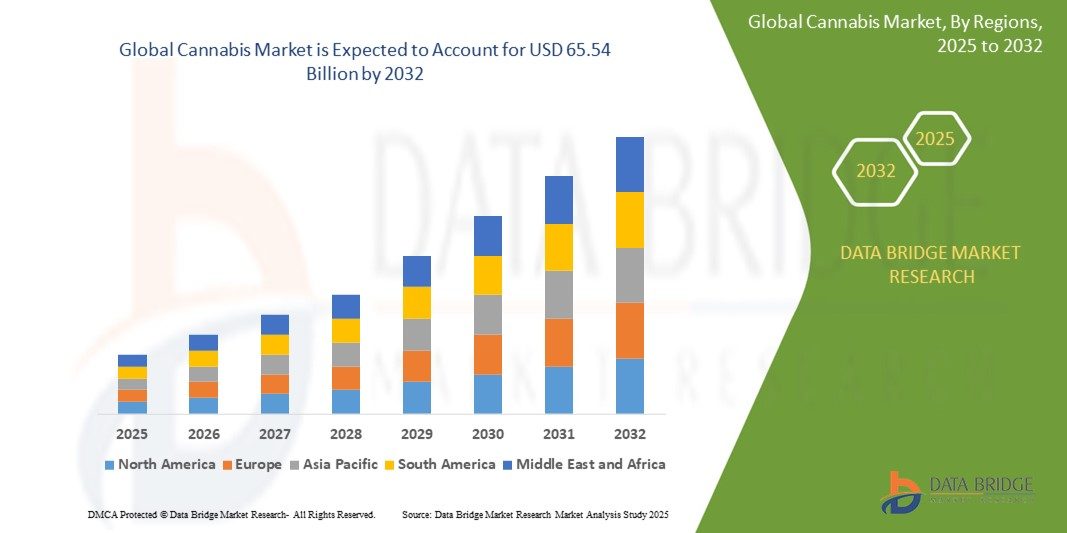
The market shows strong growth across all major regions. North America holds a leading position due to early adoption and a strong research ecosystem. Europe emphasizes responsible and transparent artificial intelligence development. Asia-Pacific is expanding rapidly, supported by digital transformation initiatives, large user bases, and favorable government policies.
Key Market Drivers
Rapid Digital Transformation
Industries worldwide are undergoing digital transformation to improve competitiveness. Artificial intelligence plays a central role in this shift. It strengthens analytics, improves automation, and enhances service delivery. As digital adoption increases, demand for artificial intelligence continues to rise.
Growing Data Volumes
Organizations generate massive volumes of data every day. Artificial intelligence helps convert this data into useful insights. It enables faster analysis and better decision-making, driving strong market demand.
Focus on Operational Efficiency
Businesses aim to reduce manual work and improve accuracy. Artificial intelligence supports automation across business functions. This allows companies to increase productivity without expanding their workforce.
Expansion of Cloud Computing
Cloud infrastructure makes artificial intelligence accessible to organizations of all sizes. It lowers costs and supports rapid scaling. This accessibility accelerates adoption, especially among small and medium enterprises.
Strong Research and Development Investments
Public and private investments in artificial intelligence research continue to grow. These efforts improve algorithms, processing power, and real-world applications. Continuous innovation strengthens market expansion.
Market Segmentation
By Component
Software includes analytics tools, automation platforms, and decision-support systems.
Hardware consists of processors, servers, and storage systems.
Services cover consulting, integration, and managed support.
By Technology
Machine learning enables systems to learn and improve over time.
Natural language processing allows systems to understand and generate human language.
Computer vision helps machines analyze visual data.
Robotics supports autonomous and semi-autonomous operations.
Expert systems apply predefined rules to assist decision-making.
By Deployment Model
Cloud-based solutions offer flexibility and scalability.
On-premise systems provide control and data security.
Hybrid models combine cloud efficiency with local infrastructure.
By Industry
Healthcare uses artificial intelligence for diagnostics, imaging analysis, and hospital management.
Finance applies it to fraud detection, risk assessment, and automated advisory services.
Retail benefits from demand forecasting, inventory planning, and personalized experiences.
Manufacturing relies on predictive maintenance and process optimization.
Telecommunications uses artificial intelligence for network planning and customer support.
Education applies it to personalized learning and administration.
Government organizations use artificial intelligence for public services and smart infrastructure planning.
Industry Trends
Artificial intelligence integration with automation is increasing across industries. This combination improves workflow efficiency and reduces errors. Intelligent automation is becoming a standard business approach.
Predictive analytics adoption is also rising. Organizations use artificial intelligence to anticipate trends and manage risks. This trend is especially strong in healthcare, finance, and manufacturing.
Customization is another key trend. Businesses prefer artificial intelligence solutions designed for specific industry needs. Vendors respond by offering tailored platforms with higher relevance and value.
Ethical and responsible artificial intelligence practices are gaining importance. Organizations focus on transparency, fairness, and accountability. These practices help build trust and support long-term adoption.
Edge artificial intelligence is emerging as a critical trend. Processing data locally reduces latency and improves real-time performance. Edge deployment supports applications such as autonomous systems and connected devices.
Competitive Landscape
The artificial intelligence market includes global technology leaders and specialized solution providers. Large companies invest heavily in research, partnerships, and platform development. Strategic mergers and acquisitions help expand capabilities and market reach.
Smaller companies focus on niche applications and industry-specific solutions. They offer flexibility and faster implementation. Collaboration between established firms and innovative startups strengthens the overall market ecosystem.
Market Challenges
Data privacy and security remain major concerns. Artificial intelligence systems rely on large datasets, which require strong protection and compliance measures.
The shortage of skilled professionals also limits growth. Demand for artificial intelligence experts continues to exceed supply, slowing deployment in some regions.
High initial investment can be a barrier, especially for smaller organizations. While cloud models reduce costs, advanced solutions still require financial planning.
Integration with existing systems can be complex. Legacy infrastructure often needs upgrades to support artificial intelligence applications.
Trust and transparency remain essential. Users expect explainable outcomes and reliable performance from artificial intelligence systems.
Future Outlook
The artificial intelligence market is set for long-term growth. Continued innovation will expand applications across industries. Artificial intelligence will become more embedded in daily operations and decision-making processes.
Healthcare, retail, finance, and manufacturing will remain leading adopters. Emerging sectors such as agriculture and energy will increasingly use artificial intelligence to improve efficiency and sustainability.
Artificial intelligence will also support environmental goals. It will help optimize energy use, reduce waste, and improve resource management. As global digital transformation continues, artificial intelligence will remain a key driver of innovation and competitiveness.
Source: https://www.databridgemarketresearch.com/reports/global-cannabis-market
Conclusion
The artificial intelligence market continues to expand as a core technology for modern enterprises. Its ability to enhance automation, generate insights, and support strategic decisions makes it essential across industries. While challenges related to security, skills, and integration remain, ongoing innovation and investment will sustain market growth.
As businesses navigate an increasingly digital environment, artificial intelligence will play a critical role in shaping future operations, customer experiences, and long-term success.
