


In modern industrial and commercial settings, motor control systems play a crucial role in ensuring the smooth functioning of various operations. Among the many devices designed to optimize motor performance, a soft starter stands out as a cost-effective and efficient solution. Whether you’re managing heavy-duty machinery in an industrial plant or smaller-scale motors in commercial equipment, a soft starter can significantly improve performance, protect equipment, and reduce operational costs.
Understanding a Soft Starter
A soft starter is an electrical device designed to control the initial inrush of current when a motor starts. Instead of applying full voltage to the motor immediately, it gradually ramps up the voltage, allowing the motor to reach its full speed smoothly. This process reduces mechanical stress, limits current spikes, and enhances the motor’s operational lifespan.
While traditional direct-on-line (DOL) starting methods are still common, they can cause high starting torque and current surges that may damage both the motor and connected equipment. A soft starter addresses these issues by providing controlled acceleration, making it a preferred choice for various industries.
Key Advantages of Installing a Soft Starter
Reduced Mechanical Stress
One of the main benefits of a soft starter is its ability to reduce mechanical stress on the motor and connected machinery. By gradually increasing voltage, the starter minimizes sudden jolts and vibrations, leading to less wear and tear on components such as gears, belts, and bearings. This not only extends the lifespan of the equipment but also reduces the frequency of repairs.
Lower Electrical Stress
When motors start, they typically draw a large inrush current—often six to eight times their rated current. This can strain electrical circuits and cause voltage dips, potentially affecting other connected devices. A soft starter ensures a smoother current ramp-up, preventing these surges and enhancing electrical system stability.
Energy Efficiency
While a soft starter is not primarily an energy-saving device during normal operation, it can reduce energy losses during start-up. The reduced starting current translates to lower peak demand charges, making it beneficial for facilities with multiple motor start-ups throughout the day.
Enhanced Safety and Control
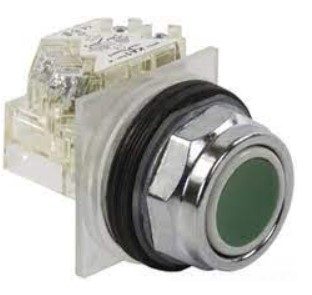
Incorporating push button starters with a soft starter offers operators better control and safety. The push button system allows easy start and stop commands, emergency shutdown options, and integration with protective devices. This combination enhances operational convenience and ensures that motors are started and stopped under optimal conditions.
Protection Against Electrical Faults
Many modern soft starters come with built-in protection features such as overload protection, phase failure detection, and undervoltage protection. These safeguards help prevent damage from unexpected power issues, keeping both the motor and the electrical system safe.
Extended Equipment Lifespan
By minimizing sudden shocks and reducing wear on mechanical and electrical components, a soft starter contributes to a longer operational life for motors and related equipment. This means fewer replacements and reduced downtime, translating into long-term cost savings.
Versatility Across Applications
Soft starters can be used in various industries, from manufacturing plants and water treatment facilities to HVAC systems and conveyor belts. They are particularly useful for equipment with high starting torque requirements, such as pumps, compressors, and fans.

Installation Tips for a Soft Starter
While the benefits of a soft starter are clear, proper installation is key to maximizing its potential. Here are a few essential tips:
Assess Motor Requirements – Ensure the soft starter’s specifications match the motor’s voltage, current rating, and load type.
Check the Electrical Supply – Verify that the supply can handle the soft starter’s operational demands without causing system instability.
Integrate with Push Button Starters – Use push button controls for added convenience, operational safety, and easier troubleshooting.
Ensure Proper Ventilation – Like all electrical devices, soft starters generate heat. Adequate ventilation or cooling is necessary to prevent overheating.
Follow Manufacturer Guidelines – Always adhere to the manufacturer’s wiring diagrams, configuration instructions, and recommended safety measures.
Soft Starter vs. Other Starting Methods
While soft starters offer many benefits, it’s important to compare them with other motor starting methods:
Direct-On-Line (DOL) Starter – Delivers full voltage instantly but causes high inrush current and mechanical stress.
Star-Delta Starter – Reduces starting current but is less effective in controlling acceleration compared to a soft starter.
Variable Frequency Drive (VFD) – Offers precise speed control but is more expensive and complex than a soft starter.
For applications where smooth starting and stopping are priorities, a soft starter provides the right balance of performance, protection, and cost-effectiveness.
Conclusion
Incorporating a soft starter into your motor control system is a smart investment for both industrial and commercial operations. It not only ensures smooth motor acceleration but also protects electrical systems, reduces mechanical stress, and extends equipment lifespan. When paired with push button starters, it delivers enhanced safety, convenience, and reliability.
For high-quality soft starter solutions that meet modern operational demands, Schneider Electric eShop offers an extensive range of products designed for durability, safety, and efficiency. With their trusted expertise and advanced technology, you can ensure your motors perform at their best while minimizing downtime and maintenance costs.
