

Introduction
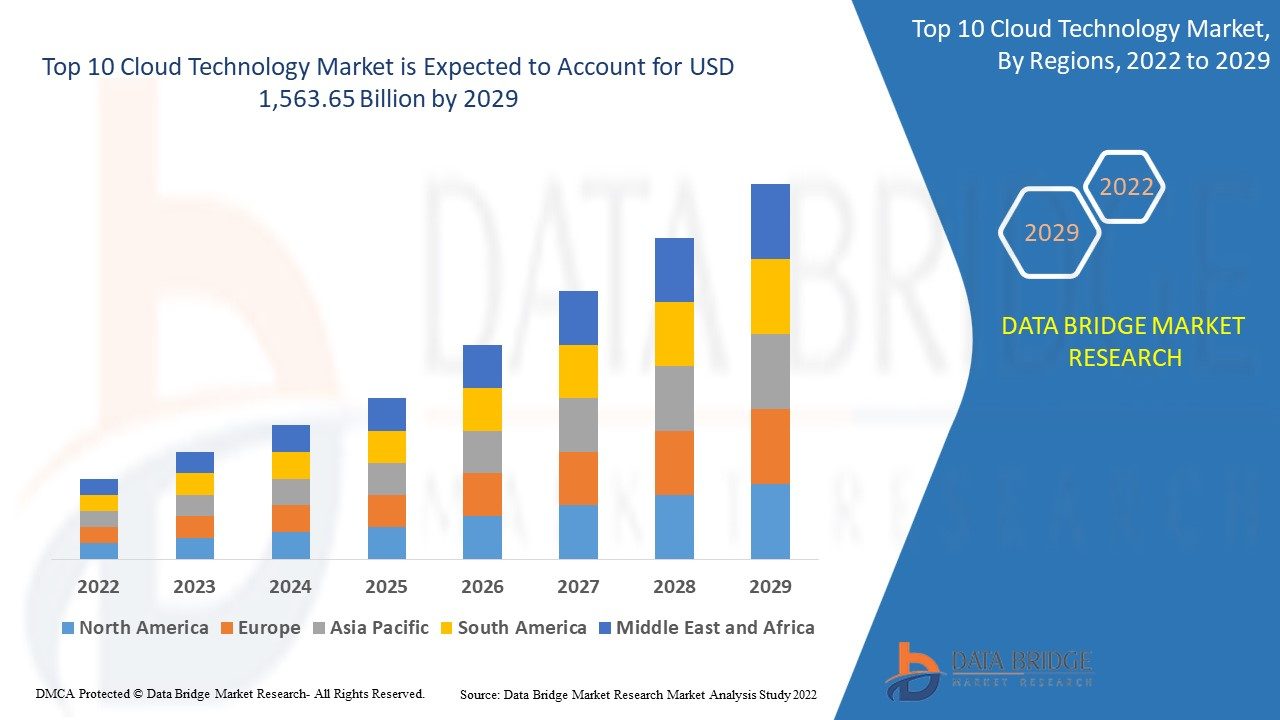
Top 10 Cloud Technology Market allows organizations to access computing resources through the internet. These resources include servers, storage, databases, networking, software, and analytics tools. Instead of owning physical infrastructure, businesses use cloud services on demand.
This model improves flexibility and efficiency. It also supports innovation by reducing upfront investment. As digital transformation expands, cloud technology becomes essential rather than optional. Understanding key market trends helps businesses stay competitive and future-ready.
1. Hybrid Cloud Adoption
Hybrid cloud combines public cloud services with private infrastructure. Many organizations prefer this model because it offers flexibility and control. Sensitive data remains on private systems, while scalable workloads move to the public cloud.
Hybrid cloud adoption grows due to regulatory requirements and security concerns. It also supports gradual migration for companies with legacy systems. As a result, hybrid cloud plays a critical role in enterprise cloud strategies.
2. Multi-Cloud Strategies
Organizations increasingly use multiple cloud providers. This approach avoids dependency on a single vendor. It also improves resilience and performance.
Multi-cloud strategies allow businesses to choose the best services from different providers. They also support disaster recovery and regional optimization. As cloud ecosystems mature, multi-cloud management tools become more advanced and accessible.
3. Cloud Security and Zero Trust Architecture
Security remains a top concern in the cloud technology market. As cyber threats grow, companies invest heavily in advanced security frameworks. Zero trust architecture is one of the most important trends.
This model assumes no user or device is trusted by default. Every access request requires verification. Cloud-based security tools support identity management, encryption, and continuous monitoring. Strong security builds trust and accelerates cloud adoption.
4. Artificial Intelligence and Machine Learning in the Cloud
Cloud platforms now integrate artificial intelligence and machine learning capabilities. These tools help organizations analyze large datasets, automate processes, and improve decision-making.
Cloud-based artificial intelligence reduces the need for expensive hardware. It also enables faster deployment of intelligent applications. Industries such as healthcare, finance, retail, and manufacturing benefit from these capabilities.
5. Edge Computing and Cloud Integration
Edge computing processes data closer to the source. This reduces latency and improves real-time performance. Edge computing works alongside cloud platforms rather than replacing them.
This integration supports applications such as autonomous vehicles, smart factories, and Internet of Things devices. As connected devices increase, edge-cloud synergy becomes a key growth driver in the cloud technology market.
6. Serverless Computing Expansion
Serverless computing allows developers to run applications without managing servers. Cloud providers handle infrastructure automatically. This model improves efficiency and reduces operational complexity.
Serverless computing supports rapid development and scaling. It is ideal for event-driven applications and microservices. As development teams focus on speed and innovation, serverless adoption continues to rise.
7. Cloud-Native Application Development
Cloud-native applications are designed specifically for cloud environments. They use containers, microservices, and automation tools. This approach improves scalability, resilience, and deployment speed.
Organizations shift from traditional monolithic systems to cloud-native architectures. This trend supports continuous integration and continuous delivery practices. As digital services grow, cloud-native development becomes a standard approach.
8. Industry-Specific Cloud Solutions
Cloud providers now offer industry-focused solutions. These platforms address specific needs in healthcare, banking, retail, education, and manufacturing.
Industry clouds include compliance features, data models, and analytics tools tailored to each sector. This specialization simplifies adoption and improves value. As industries demand customized solutions, this trend gains strong momentum.
9. Sustainability and Green Cloud Initiatives
Environmental responsibility influences cloud technology strategies. Cloud providers invest in energy-efficient data centers and renewable energy sources. Organizations choose cloud services to reduce carbon footprints.
Sustainable cloud practices support corporate responsibility goals. They also improve long-term cost efficiency. As sustainability becomes a priority, green cloud initiatives strengthen market appeal.
10. Cloud Cost Optimization and FinOps
As cloud usage grows, cost management becomes essential. Organizations adopt financial operations practices to control spending and improve transparency.
Cloud cost optimization tools track usage, identify waste, and improve budgeting. This trend helps companies maximize return on investment. Effective cost control increases confidence in long-term cloud adoption.
Market Impact Across Industries
Cloud technology impacts every major industry. In healthcare, cloud platforms support electronic records, diagnostics, and telemedicine. In finance, they enable secure transactions and fraud detection. Retail companies use cloud analytics for personalized experiences. Manufacturing relies on cloud systems for automation and predictive maintenance.
Education benefits from cloud-based learning platforms. Governments use cloud services to improve digital governance. This widespread adoption strengthens overall market growth.
Competitive Landscape
The cloud technology market is highly competitive. Major providers focus on innovation, reliability, and service breadth. At the same time, smaller players specialize in niche services such as security, analytics, or edge computing.
Competition drives continuous improvement. Providers invest in research, partnerships, and global infrastructure. This dynamic environment benefits customers through better performance and lower costs.
Challenges in the Cloud Technology Market
Despite strong growth, challenges remain. Data privacy regulations vary across regions. Compliance requires careful planning. Skill shortages also affect cloud adoption, as expertise in architecture and security is essential.
Migration from legacy systems can be complex. Organizations must manage change and integration carefully. Addressing these challenges ensures smoother adoption and long-term success.
Future Outlook
The future of the cloud technology market is highly positive. Cloud platforms will become more intelligent, secure, and industry-focused. Artificial intelligence integration will expand. Edge computing will grow alongside 5G networks.
Automation and cloud-native development will accelerate innovation. Sustainability will remain a key differentiator. As businesses embrace digital-first strategies, cloud technology will continue to evolve as a foundational pillar.
Source: https://www.databridgemarketresearch.com/reports/top-10-cloud-technology-market
Conclusion
The top ten cloud technology market trends highlight the ongoing transformation of global IT systems. Hybrid and multi-cloud strategies, security advancements, artificial intelligence integration, and sustainability efforts drive market expansion. Cloud technology enables organizations to innovate, scale, and compete in a digital world. As adoption deepens across industries, the cloud technology market will remain central to future growth and transformation.
