

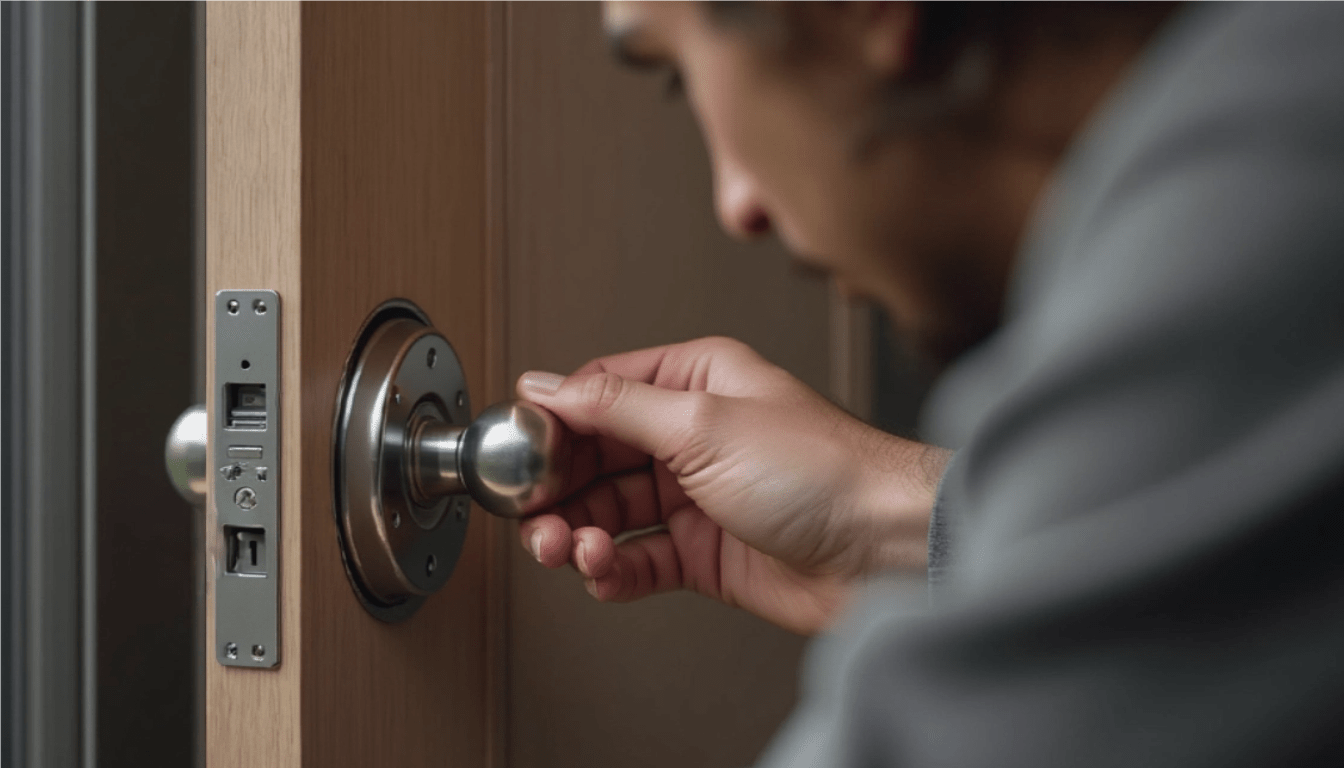
When was the last time you actually thought about your door locks?
If you’re like most homeowners, the answer is probably “not recently.” Locks tend to fade into the background—until a key gets stuck, the door won’t lock properly, or worse, someone manages to get in when they shouldn’t. The truth is, locks are one of the most important parts of your home’s security system, yet they’re also one of the most neglected.
The good news? You don’t need expensive tools or advanced skills to keep your locks in good shape. With a few small, consistent maintenance habits, you can extend the life of your locks, avoid costly emergencies, and keep your home far more secure.
Let’s break down why lock maintenance matters, what causes locks to fail, and exactly what you can do to prevent problems before they turn into security risks.
Why Lock Maintenance Is So Often Overlooked
Locks are simple on the surface. You insert a key, turn it, and the door opens. Because they usually “just work,” it’s easy to assume they don’t need attention. But inside every lock is a collection of small moving parts—pins, springs, cylinders—that experience wear and tear every single day.
Unlike appliances or HVAC systems, locks don’t come with reminder stickers or service alerts. There’s no warning light when a pin starts wearing down or when dirt begins to interfere with the mechanism. By the time a lock clearly fails, it’s often already compromised your security.
Neglect doesn’t just lead to inconvenience—it creates opportunity. A lock that sticks, doesn’t fully engage, or feels loose is easier to force, pick, or bypass.
How Locks Wear Down Over Time
Even high-quality locks aren’t immune to aging. Some of the most common causes of lock wear include:
- Daily use: Every turn of the key causes friction inside the lock.
- Dirt and debris: Dust, grime, and pocket lint get inside keyways over time.
- Weather exposure: Rain, humidity, heat, and cold can corrode or warp components.
- Door movement: Houses settle, doors shift, and frames expand or contract with temperature changes.
- Improper lubrication: Using the wrong products (like oil or grease) can actually attract more dirt.
These factors don’t cause instant failure—but they slowly degrade performance until something goes wrong at the worst possible moment.
The Hidden Security Risks Of Poorly Maintained Locks
A lock doesn’t have to be broken to be unsafe. Many security risks are subtle and easy to ignore:
- A deadbolt that doesn’t fully extend into the strike plate
- A knob that wiggles or feels loose
- A key that only works if you “jiggle it just right”
- A lock that sticks and doesn’t turn smoothly
These issues signal internal wear or misalignment. Criminals often look for homes where locks appear worn or unreliable because they require less effort to defeat.
In other words, a lock that “mostly works” isn’t good enough when it comes to home security.
Simple Monthly Lock Maintenance Habits
You don’t need to set aside hours for lock maintenance. A few minutes once a month can make a big difference.
Check how your key turns.
Insert your key and turn it slowly. It should move smoothly without resistance or grinding. Any stiffness is a sign something needs attention.
Inspect visible hardware.
Look for loose screws, wobbly knobs, or deadbolts that shift when touched. Tighten screws before small movement turns into internal damage.
Wipe down exterior locks.
Outdoor locks collect dust, moisture, and grime. A quick wipe with a dry or slightly damp cloth helps prevent buildup.
Test door alignment.
Lock and unlock the door while it’s open and closed. If it works fine open but struggles when closed, the door or strike plate may be misaligned.
Seasonal Maintenance: When Locks Need Extra Attention
Certain times of year are harder on your locks than others.
Before winter:
Cold weather can cause metal components to contract. Clean and lubricate locks before temperatures drop to reduce freezing and stiffness.
During humid or rainy seasons:
Moisture increases the risk of corrosion. Pay extra attention to exterior doors, garage locks, and shed locks.
During hot summers:
Heat can cause doors to swell slightly, leading to misalignment. If a lock suddenly feels tight, don’t force it—check alignment first.
The Right Way To Lubricate Your Locks
One of the most common lock maintenance mistakes is using the wrong lubricant.
Avoid products like WD-40, cooking oil, or grease. These may feel helpful at first but tend to attract dirt and gum up the lock over time.
Instead, use:
- Graphite powder, or
- A lock-specific dry lubricant
Apply sparingly. A small amount goes a long way, and over-lubricating can be just as harmful as not lubricating at all.
The Warning Signs You Shouldn’t Ignore
Some lock issues are early warnings that security is being compromised. Don’t brush these off:
- Keys frequently get stuck or won’t come out easily
- Locks feel loose even after tightening screws
- Deadbolts don’t align properly no matter what you try
- Rust or corrosion is visible inside the keyway
- The lock turns, but the door doesn’t fully secure
If you notice these issues repeatedly, basic maintenance may not be enough.
When To Call A Professional
DIY maintenance is great for prevention, but some problems require professional attention. A locksmith can:
- Diagnose internal wear you can’t see
- Realign doors and strike plates correctly
- Rebuild or rekey locks instead of replacing them
- Identify outdated locks that no longer meet security standards
Calling a professional early often costs far less than dealing with an emergency lockout or a break-in later.
Small Habits, Big Security Payoff
Lock maintenance isn’t complicated, but it’s powerful. A few minutes of attention each month can:
- Extend the life of your locks by years
- Reduce emergency repairs and replacements
- Improve everyday convenience
- Make your home significantly harder to break into
In home security, it’s often the small, boring habits that make the biggest difference. Taking care of your locks today means fewer surprises tomorrow—and much better peace of mind every time you turn the key.
