

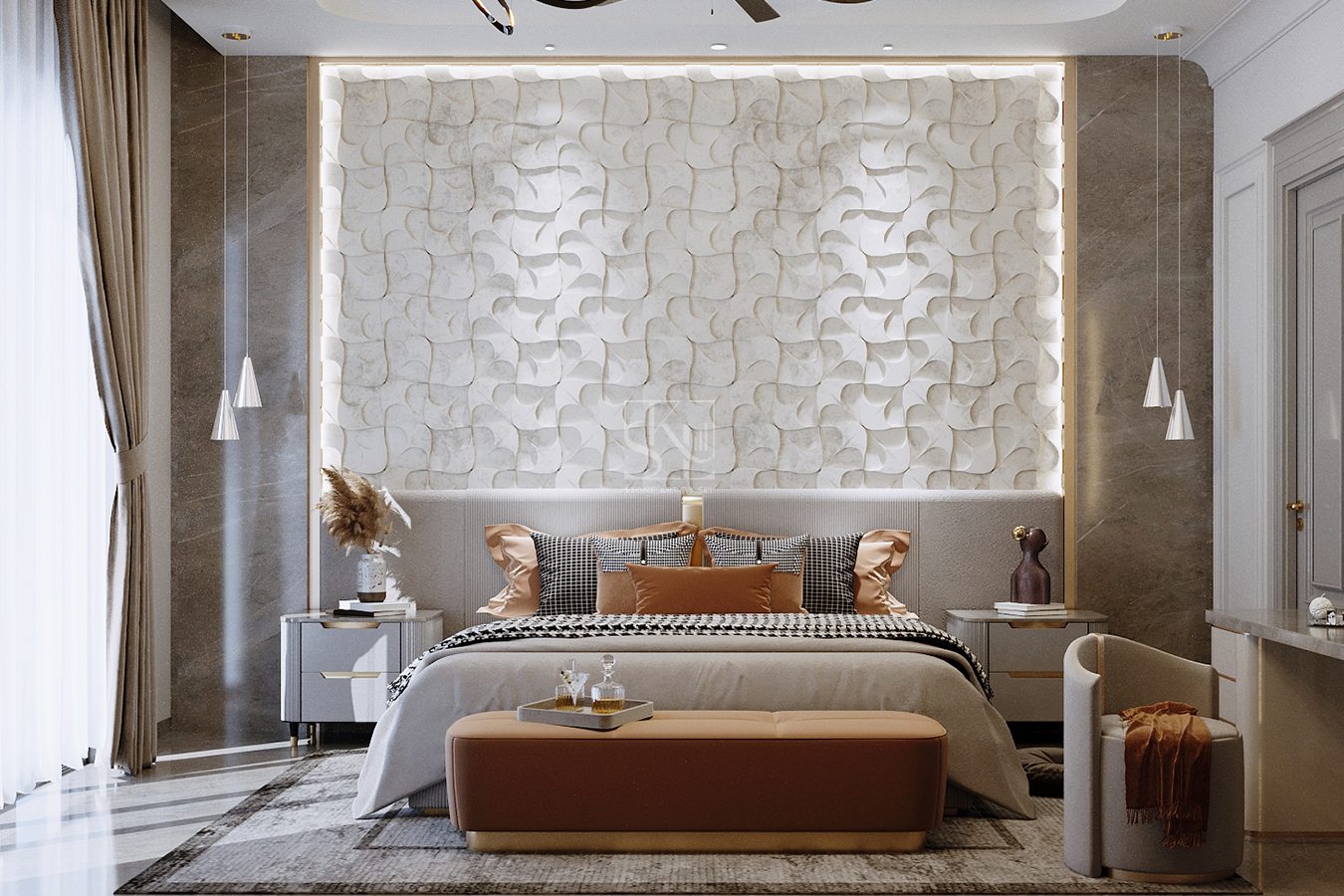
Today, there are so many types of wall coverings that people often find it very difficult to select decorative wall cladding for their spaces. However, the final selection of what type of wall covering to use should be an important part of the overall decor for any room. The purpose of decorative wall cladding is not only to cover and protect the structure of a home or business but also to provide a focal point for that space as well as additional texture, light, and space in the area. This guide will provide the information needed to make an informed decision on your purchase of wall covering products that suit your specific needs.
The term Decorative Wall cladding refers to a wall covering or panel that serves either an aesthetic or functional purpose. Decorative patterns, styles, etc., can all be used to convert a standard wall into a decorative piece of art. Examples may include: Modern Patterns, Nature-Based Design, Geometric Pattern, Classical Motif, Flute Pattern, and Stone Lookalike Texture.
Knowing how to select cladding for the various kinds of rooms, widths of walls, and various styles, respectively, will allow you to easily choose what will create a comfortable and well-designed environment in which to exist.
Discover Popular Decorative Wall Cladding Designs
Decorative wall cladding is defined as panels or surfaces made with natural stone materials such as marble and sandstone, and its primary purpose is to add visual interest to your walls. In contrast to wall paint and/or wallpaper, stone wall coverings offer a natural texture, strength, and dimension that are unmatched. The natural qualities of the materials used in manufacturing these wall coverings result in variations in color, pattern, and texture, so no two wall coverings are ever identical.
Decorative wall cladding comes in a wide variety. These are as follows:
-
Modern Patterns
Modern Patterns Wall Cladding utilizes wave designs, abstract designs, ripple designs, and linear designs. The result is that your walls become animated and rhythmic, making them ideally suited for today’s contemporary living rooms, lobbies, or open spaces.
Some examples of the contemporary decorative patterns include:
- Wave Design
- Ripple Wave Design
- Linear Wave Design
- Abstract and Sliced Wave Designs
If you’re looking to have an active, creative, or lively wall without appearing too busy, then these pattern options will work great for you. They also work well with minimalist or open spaces where clean lines and smooth surfaces are required.
-
Nature-Inspired Patterns
Nature-inspired Patterns can be organic, including bamboo designs, flowers, leaves, and more! These types of nature-inspired designs will create a calming space and can work well in living rooms, wall decor for bedrooms, or anywhere else you want to create calm and tranquility.
Here are some examples of popular nature-inspired designs:
- Bamboo Design
- Banana Leaf Design
- Leaves Designs
- Forest Green Fluting
There are also many nature-inspired cladding options that you can use to create a softer feel in modern interior designs, or provide you with an outdoor view into your home!
-
Geometric Patterns
Geometric Patterns wall cladding is also popular within the realm of modern design. Through the use of a variety of geometric shapes (hexagons, diamonds, triangles) arranged in patterned formats (tessellations), designers are able to create aesthetically pleasing and structured surfaces.
Some examples of geometric wall cladding patterns are listed below:
- Hexagonal wave pattern.
- Y-shaped and Z-shaped patterns.
- Web pattern.
- Double hexagonal pattern.
Geometric patterns of wall cladding can create precise, tidy-looking interiors that lend a sophisticated finish to walls, while not taking up excess space due to their multiple dimensions.
-
Classic Patterns
Classic Patterns wall cladding provides a variety of traditional and artistic styles, such as arch-style, brass inlay style, carved style, and culturally symbolic styles. This is where the wall can have these decorative elements added to it to enhance sophistication.
Here are a few examples of classic wall cladding designs:
- Motif Arch
- Shadow Line Horse Design
- Marble Brass Inlay Style
- Buddha Sculpture
- Classic Curved Wall Cladding
Classic wall cladding designs can be used to shape the appearance of a space that needs to maintain an old-world feel or requires an extremely elegant look.
-
Fluting Patterns
Fluting Patterns use patterns of channels, ridges, and grooves to provide texture and visual interest within a room’s walls. Vertical and curved lines create visual height and create shadows that vary with light, thus providing an ever-changing appearance.
Some examples of types of fluted walls are:
- Sandstone Fluting
- Concave & Convex Fluting
- Slat Fluting
- V-Grooved Designs
If your design requires textured surfaces, for example, in a hallway or an accented wall of a bedroom, flutes are a very good choice.
-
Stone Textures
Stone Texture cladding gives the appearance of real stone, including marble, sandstone, and limestone, lending warmth, organic elements, and visual depth to the design.
Sample Textures:
- Bone Textured Marble
- Sandy Surface Sandstone
- Leaf Sandstone
- Textured Limestone
Since the texture of stone is earthy/natural in appearance, it is a great candidate for decorating interior designs with wood or neutral tones.
Decide Based on Room Function
Every room in your home has a function or mood, and so this is a factor to keep in mind when considering the material to use for cladding.
-
Living Room
The living room is typically a place where people gather the most. The wall cladding used to decorate and beautify this space should be bold and eye-catching, but not so bold that it draws more attention to itself than the room’s furniture or decor. Depending on the look you want to create, you might consider things like modern designs, geometric panels, or wall graphics with a natural theme.
-
Bedroom
Most importantly, comfort and relaxation should be paramount in any of your rooms, especially your bedroom. Cladding can include soft-textured materials like natural stone, leaves, or flutes (i.e., ribbed surfaces). You should avoid using any dramatic or busy designs, as they will make the space appear crowded and overly active.
-
Dining Area
Another great idea for your dining area is textured walls to add some dimension to your dining room. A patterned accent wall behind your sideboard/buffet provides a visual focal point and breaks up the boring feel of solid walls.
-
Entrance Foyer
The entrance is the first impression of your home, so it’s important to make a strong impression as soon as someone walks in. Placing geometric art panels alongside a variety of other pieces and artwork styles, such as classic and contemporary, is a great way to make a strong impression on guests as soon as they enter your home.
Benefits of Decorative Wall Cladding
Besides being an attractive option for your property, decorative wall cladding also has many long-term benefits, including:
- Durability – Stone is very durable and can withstand wear and tear, as well as the effects of changing weather (heat/cold) and things like cars. This makes stone an excellent choice for high-traffic areas (e.g., corridors), boundary walls, exterior walls, and “open space” areas (e.g., parks).
- Low Maintenance – Compared to painted or wallpapered surfaces, stone is easier to maintain and therefore doesn’t require as much repair and/or replacement over time. Occasional light cleaning is often enough to keep the stone looking its best.
- Timeless Appeal – Unlike other decorative finishes, the beauty of stone won’t fade over time. It will remain beautiful and stylish for years. As a result, your finished design and the original stone will retain their value as a classic and valuable addition to your property.
- Thermal and Sound Insulation – Decorative stone wall cladding will help create a comfortable environment inside by maintaining a consistent temperature (i.e., not too hot or too cold) and will also help reduce outside noise.
- Sustainable Choice – When sourced correctly and responsibly, natural stone is an environmentally friendly material. Thus, it supports sustainable building practices while also requiring less processing and reducing environmental impact.
Points to Consider Before Installing Decorative Wall Cladding
Before choosing decorative wall cladding, keep these points in mind:
- Location – Where it will be installed will determine what type of stone you should use inside and outside.
- Weight – Make sure the wall can support the stone.
- Finish and texture – Depending on the light conditions and size, decide what type of texture/finish is best for that area.
- Installation method – If a professional installs the stone, it will fit properly and last longer.
- Budget – Prices vary depending on what type of natural facade you choose.
Conclusion
There are many options for choosing the best decorative wall cladding, and it ultimately depends on the purpose of your room, your interior style, your color scheme, and your other practical needs. Choose from a variety of decorative wall cladding options that offer both character and texture, especially when exploring different accent wall ideas to highlight a focal point in your space. Decorative wall cladding will help you create a unique atmosphere in your space. When you align your design goals with the right wall texture and style, you can create stunning visuals on your walls and transform ordinary walls into unique visual elements.
