

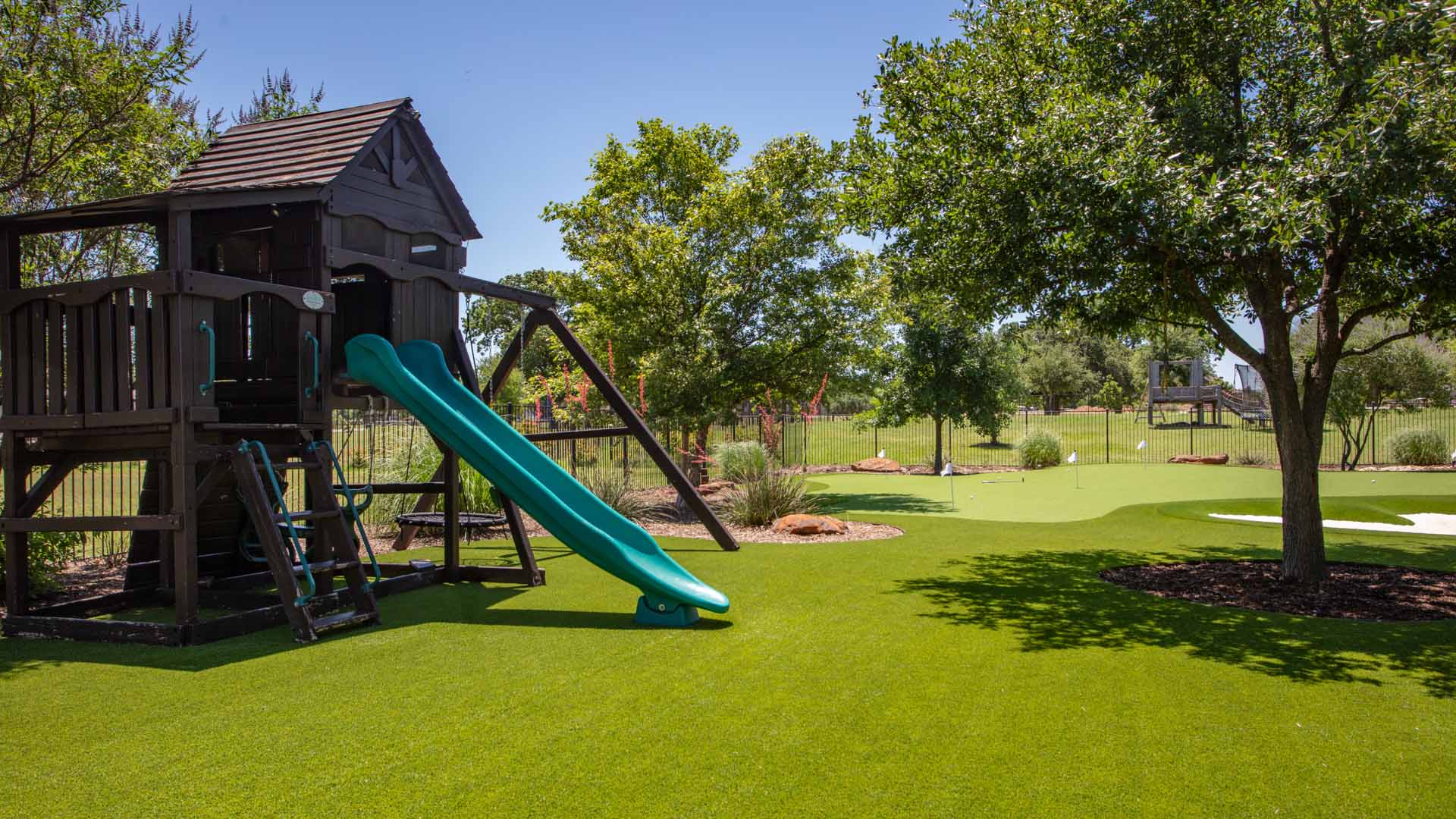
Year-round, artificial grass has become so popular for individuals and businesses requiring low-maintenance, greenery outdoors. Where fake grass features many benefits associated with water consumption and durability in its use, installation is meticulous and requires precise expertise to end up looking nothing short of spectacular. Let us now dive deep into the world of secrets leading to engage with seasoned artificial turf installers in Manhattan Beach.
Choosing High-Quality Turf:
The basis of a perfect artificial turf installation is the selection of the right product. Quality turf is durable, UV-resistant, and designed to withstand different weather conditions. Grass should have a realistic appearance, appropriate pile height, and sturdy backing material. Cheaper turf may save money initially but often wears out quickly, resulting in higher long-term costs. Seek quotes and ideas from suppliers on choosing the right grass species for your site and usage-the residential lawn, school playground, or sports field-and ensure quality turfs last the test of time and are long-lasting.
Proper Site Preparation:
Suitable site preparation is vital to a smooth installation of turf. Start by cleaning up the debris, rocks, and vegetation from the site. Level the ground to ensure no uneven surfaces that may lead to pooling or wrinkles in the turf. Then compact the soil and apply a layer of crushed stone or decomposed granite as the base. It helps to ensure good drainage and stability. Investing time into site preparation will ensure that the artificial turf actually lays flat, lasts longer, and stays looking pristine.
Ensuring Adequate Drainage:
A well-installed artificial turf system includes proper drainage to avoid water buildup and mold. Incorporate a permeable base material such as crushed stone to aid in water flow. Also, inspect the slope of the installation area to ensure that water will be guided away from the surface. For regions that experience frequent heavy rainfall, consider installing drainage pipes beneath the turf. Effective drainage makes the turf work well and retains its structure as well as removes unpleasant odors caused by the stagnation of water.
Using High-Quality Adhesives and Seam Tapes:
High-quality adhesives and seam tapes make sure that all sections are held together securely. Low-quality adhesives deteriorate with time, causing the seams to break apart and mar the uniformity of the turf. Make sure the seams are well aligned and pressed firmly so there are no noticeable gaps. Using superior materials to bond creates seamless, durable installation that can handle daily wear and tear.
Precision Cutting and Edge Work:
With sharp utility knives used to cut along irregular shapes to fit garden beds, pathways or trees, such a finish as this requires more precision in terms of cutting and trimming turf. The edge is special and should therefore be nailed securely or glued, respectively, to not lift as it will detract from giving the turf the polished look when well defined at the edges while preventing trip hazards. Take ample time to make measurements and to cut accurately and ensure a clean professional outcome.
Adding Infill for Stability and Realism:
Commonly used infills are silica sand or crumb rubber. The drop spreader distributes the infill evenly, and then a power broom brushes the infill into the fibers, keeping the blades upright and cushioning the surface for safer activities. Proper infill application extends the lifespan of the turf and keeps the aesthetic appearance of the lawn.
Infill is one of the most crucial parts of artificial turf installation as it improves functionality and appearance. It also keeps the blades upright, which has a similar look and feel to natural grass. Applying infill evenly with a drop spreader and brushing it into the fibers ensures durability, longevity, and a realistic finish for your artificial lawn.
Routine Maintenance After Installation:
While artificial turf has the benefit of low maintenance, routine care is still a must to keep it in great shape and appearance. First and foremost, clean out debris like leaves, twigs, and dirt that can settle into the turf and cause matting. For this, use a leaf blower or a soft rake, and gently remove the debris from the surface without damaging the fibers. Brushing the turf occasionally with a stiff broom keeps the upright blades looking new and fresh, while brushing on high-traffic areas redistributes the infill and prevents wearing.
Check the edges and seams regularly so that they don’t loosen out. If they loosen, this can cause unsafe conditions and create an unpleasant aesthetic of the turf. The surface should be cleaned with water to remove dusts and spills regularly to maintain its hygiene and fragrance.
The Finale:
A flawless artificial turf installation comes as a result of careful planning, quality materials, and attention to detail. From the right choice of turf all the way to proper site preparation, drainage, and maintenance, each stage plays a vital role in achieving a professional-grade finish. By embracing the secrets given here, the beauty and benefits of fake grass can be enjoyed without much hassle associated with traditional grass maintenance. Whether for residential or commercial purposes, a well-installed artificial lawn is an investment that adds value and functionality to a space.
