

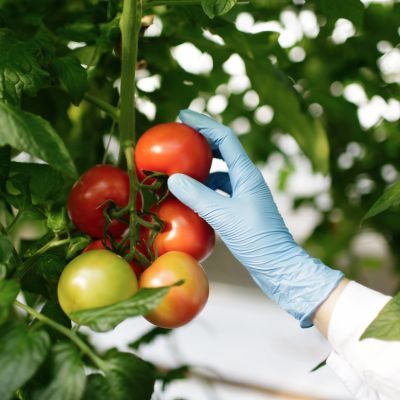
Imagine a tomato plant that can sense stress before the first spot appears, adjusting its chemistry in quiet anticipation. We are not there yet, but modern cultivation is moving closer to that idea every season. Tomatoes, once considered forgiving backyard staples, now sit at the intersection of climate volatility, consumer expectations, and biological reality. Disease and insect pressure arrive faster, spread wider, and recover more slowly. This shift has forced growers, from hobbyists to commercial operators, to rethink how protection fits into plant health. Today, choosing the right fungicide for tomato plants or insecticide for tomato plants is less about reaction and more about strategy.
Tomatoes Are No Longer Simple Crops
Tomatoes live double lives. To the consumer, they are comfort food, sliced and salted, folded into childhood memories. To the grower, they are biological machines running at high metabolic speed. Fast growth, heavy fruit load, and thin leaf tissue make tomatoes productive but vulnerable.
Fungal pathogens exploit humidity swings and overnight condensation. Insects read leaf chemistry like a menu, choosing stressed plants first. What has changed is not the tomato, but the environment around it. Hotter nights, unpredictable rain, and denser planting conditions have made old protection routines feel blunt and outdated.
This is why protection tools are being reconsidered. Modern growers are asking sharper questions: Will this product disrupt the plant’s natural rhythm? Does it protect without slowing growth? Can it be part of a system rather than a last resort?
From Chemical Punch to Biological Precision
There was a time when crop protection meant dominance. Strong formulations, aggressive schedules, and visible knockdown effects were the gold standard. They worked, until they didn’t. Resistance developed. Soil health declined. Leaf damage became an accepted side effect.
Today’s approach leans closer to medicine than warfare. A modern fungicide for tomato plants is expected to manage pathogens while respecting the plant’s physiology. Many current formulations focus on surface-level interaction, reducing fungal viability without penetrating deeply into plant tissue. This matters because tomatoes respond poorly to excessive internal disruption, especially during flowering and fruit set.
The same logic applies to insects. An effective insecticide for tomato plants now aims to interrupt pest behaviour, feeding, or respiration, rather than relying solely on neurotoxicity. The goal is control that feels almost invisible, measured in healthy new growth rather than dramatic aftermath.
Why Timing Has Become Everything
Protection is no longer just about what you apply, but when. Tomatoes operate on tight developmental schedules. Miss a fungal outbreak during early vegetative growth, and you spend the rest of the season compensating. Apply the wrong product during bloom, and yields quietly slip.
Smart growers now align protection with growth stages, not panic moments. Preventative applications during predictable stress windows are becoming more common. This approach mirrors how athletes train around recovery cycles, not injury alone. You do not wait for damage, you manage the conditions that cause it.
This shift also reflects better observation. Growers are reading leaf posture, colour nuance, and growth speed as indicators. Protection tools are chosen because they fit these signals, not because they dominate shelf space.
The Cultural Shift Toward Transparency
There is also a cultural layer to this evolution. Consumers care more about how their food is grown, even if they cannot name the pathogens involved. Growers feel that pressure. They want solutions they can explain without hesitation.
A well-formulated fungicide for tomato plants or insecticide for tomato plants now represents trust as much as efficacy. It signals that the grower understands balance, that protection does not come at the cost of long-term soil or plant vitality. This transparency is no longer optional in a connected food system.
When Protection Becomes Part of the System
The most forward-thinking growers treat crop protection as infrastructure, not emergency response. Products are evaluated on how they integrate with irrigation, nutrient timing, and plant metabolism. Compatibility matters. Residue behaviour matters. Repeated use without cumulative stress matters.
This systems-based thinking is what separates modern cultivation from legacy habit. It is also why product selection feels more thoughtful, almost curated. Growers are choosing fewer tools, but choosing them better.
Closing
Tomatoes will always attract trouble. Their chemistry is too generous, their growth too ambitious. But how we respond to that pressure is changing. The future of cultivation belongs to those who see protection not as a fight, but as alignment. When a fungicide for tomato plants or insecticide for tomato plants works quietly in the background, allowing the plant to do what it does best, that is not just good farming. It is a more intelligent relationship with biology itself. And once you grow that way, it is difficult to imagine going back.
