

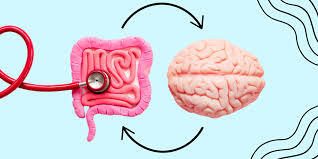
The Gut–Brain Connection: How Nerve Dysfunction Affects Digestion
Digestion does not depend on food alone. Every swallow, stomach contraction, and bowel movement relies on constant communication between the brain and the gut. When this communication weakens, digestion suffers. I see many people struggle with symptoms such as difficulty swallowing, bloating, reflux, nausea, or unexplained abdominal pain, often without realising that nerve dysfunction may sit at the root of the problem.
In this article, I explain how the gut–brain connection works, how nerve damage disrupts digestion, and why conditions such as achalasia highlight the importance of healthy nerve signalling. I write for patients, caregivers, and anyone seeking clear, medically accurate explanations without unnecessary jargon.
What the Gut–Brain Connection Really Means
Your digestive system has its own nervous system, known as the enteric nervous system. It contains millions of nerve cells lining the oesophagus, stomach, and intestines. These nerves communicate directly with your brain through major pathways, especially the vagus nerve.
This two-way communication allows your brain to:
- Trigger swallowing at the right moment
- Coordinate muscle contractions that push food downward
- Control stomach acid release
- Regulate bowel movements
- Respond to stress and emotional changes
At the same time, your gut sends constant feedback to your brain about fullness, discomfort, inflammation, and pain. When nerve signalling remains balanced, digestion feels effortless. When nerve function weakens, symptoms appear.
The Role of the Vagus Nerve in Digestion
The vagus nerve acts as the main communication highway between your brain and digestive tract. It controls involuntary actions, including:
- Swallowing
- Movement of food through the oesophagus
- Relaxation and tightening of digestive muscles
- Release of digestive enzymes
- Regulation of inflammation
Damage or reduced activity in this nerve can disrupt digestion from the very first bite. People often report chest discomfort, food sticking in the throat, early fullness, or nausea without clear structural causes.
How Nerve Dysfunction Disrupts Digestive Function
When nerves fail to send or receive signals correctly, digestion loses coordination. I commonly explain this to patients as a timing problem rather than a blockage problem.
Here is how nerve dysfunction affects different stages of digestion.
Swallowing Difficulties
Swallowing requires precise muscle coordination. Nerve damage may cause delayed or incomplete muscle relaxation, leading to:
- Food sticking in the chest
- Pain during swallowing
- Regurgitation of undigested food
This issue often links with oesophageal nerve damage.
Slowed or Uncoordinated Movement
Healthy nerves trigger wave-like muscle contractions, known as peristalsis. Poor nerve input weakens these waves, causing:
- Slow movement of food
- Bloating
- Feeling full after small meals
Altered Stomach Acid and Enzyme Release
Nerves regulate acid and enzyme secretion. Disruption may result in:
- Acid reflux
- Indigestion
- Poor nutrient absorption
Bowel Irregularities
The gut relies on nerve signals to manage bowel rhythm. Dysfunction can cause constipation, diarrhoea, or alternating patterns that feel unpredictable and frustrating.
Achalasia: A Clear Example of Nerve-Related Digestive Disorder
Achalasia offers one of the clearest examples of how nerve dysfunction affects digestion. In this condition, nerve cells in the oesophagus degenerate over time. As a result, the lower oesophageal sphincter fails to relax properly, and normal swallowing becomes difficult.
People living with achalasia often experience:
- Progressive difficulty swallowing solids and liquids
- Chest pain or pressure
- Regurgitation, especially at night
- Weight loss due to reduced intake
This condition highlights the critical role of oesophageal nerve function rather than physical obstruction. Treatments often focus on relieving muscle tightness, yet many patients also ask about supportive options, including Natural Remedy for Achalasia, especially when seeking symptom relief alongside medical care.
Stress, Anxiety, and Nerve Signalling in the Gut
Mental and emotional stress directly affects digestive nerve pathways. Stress activates the sympathetic nervous system, which slows digestion and reduces blood flow to the gut.
When stress becomes chronic, people may notice:
- Persistent bloating
- Cramping without clear triggers
- Worsening reflux
- Appetite changes
I often remind patients that stress does not mean symptoms are imagined. Stress alters nerve signalling and muscle coordination in very real ways.
Conditions Commonly Linked to Digestive Nerve Dysfunction
Several digestive conditions involve nerve-related disruption rather than visible structural damage.
Functional Dyspepsia
People experience upper abdominal discomfort, fullness, or nausea with normal test results. Altered nerve sensitivity plays a key role.
Irritable Bowel Syndrome (IBS)
IBS involves heightened nerve sensitivity between the gut and brain, leading to pain, bloating, and bowel changes.
Gastroparesis
Delayed stomach emptying occurs due to vagus nerve impairment, often seen in diabetes.
Achalasia
As discussed earlier, achalasia results from degeneration of oesophageal nerve cells, leading to severe swallowing difficulties.
Warning Signs That Suggest Nerve Involvement
You should consider nerve dysfunction when symptoms persist despite standard treatments. Common warning signs include:
- Difficulty swallowing without blockage
- Chest discomfort unrelated to heart disease
- Nausea after small meals
- Unexplained bloating
- Variable bowel habits
Early recognition helps guide appropriate evaluation and management.
How Doctors Assess Digestive Nerve Problems
Assessment often involves a combination of tests rather than a single scan.
- Manometry measures muscle and nerve coordination in the oesophagus.
- Gastric emptying studies assess stomach movement.
- Endoscopy rules out structural disease.
- Neurological evaluation helps identify systemic nerve conditions.
I encourage patients to ask clear questions about nerve involvement when symptoms remain unexplained.
Supporting Digestive Nerve Health Through Lifestyle
While medical treatment remains essential for many conditions, daily habits strongly influence nerve function.
Eat Mindfully
Slow eating supports nerve coordination. Smaller bites and thorough chewing reduce swallowing strain.
Manage Stress Consistently
Breathing exercises, gentle movement, and adequate sleep calm the nervous system and support gut signalling.
Maintain Blood Sugar Balance
Stable blood sugar protects nerve health, especially for people with diabetes.
Stay Physically Active
Regular movement stimulates gut motility and nerve responsiveness.
Nutrition and Nerve Function
Certain nutrients support nerve health and digestive coordination.
- B vitamins support nerve repair and signalling
- Magnesium helps muscle relaxation
- Omega-3 fatty acids reduce inflammation affecting nerves
Some people explore pure health dietary supplements as part of a broader plan to support nerve and digestive health. I always recommend discussing supplements with a healthcare professional to avoid interactions or unnecessary products.
Home-Based Support for Swallowing and Digestive Comfort
Many patients ask about non-invasive strategies to ease symptoms alongside medical treatment.
Gentle approaches may include:
- Warm liquids to relax oesophageal muscles
- Upright posture after meals
- Smaller, more frequent meals
- Avoiding late-night eating
People with achalasia often search for Home Remedies for Achalasia to improve daily comfort while continuing clinical care.
The Emotional Impact of Digestive Nerve Disorders
Living with chronic digestive symptoms affects confidence, social life, and emotional wellbeing. Fear of eating in public, anxiety about symptoms, and frustration with delayed diagnosis are common.
I always remind patients that nerve-related digestive disorders do not reflect weakness or poor habits. These conditions arise from biological changes that deserve proper care and compassion.
When to Seek Medical Advice Urgently
You should seek prompt medical review if you experience:
- Progressive difficulty swallowing
- Unintentional weight loss
- Persistent chest pain
- Vomiting undigested food
- Symptoms that disturb sleep
Early evaluation improves outcomes and prevents complications such as malnutrition or aspiration.
Integrating Medical Care with Supportive Strategies
Effective management of nerve-related digestive disorders often requires a combined approach. Medical treatments address structural and functional problems, while lifestyle measures support nerve health and symptom control.
I encourage open conversations with healthcare providers about:
- Symptom patterns
- Emotional impact
- Dietary tolerance
- Interest in supportive therapies
This collaborative approach helps create realistic, sustainable care plans.
Final Thoughts on the Gut–Brain Connection
Digestive health depends on constant communication between your brain and gut. When nerve signalling falters, digestion struggles, even when scans appear normal. Conditions such as achalasia remind us that nerve integrity matters as much as muscle strength or acid levels.
By recognising the signs of nerve dysfunction, seeking appropriate evaluation, and supporting nerve health through lifestyle and nutrition, you can take meaningful steps towards better digestive comfort. Clear information empowers better choices, and informed patients often achieve better outcomes.
If you experience ongoing digestive symptoms that do not respond to standard treatments, consider discussing nerve involvement with your healthcare provider. Your gut and brain work as a team, and both deserve attention and care.
