

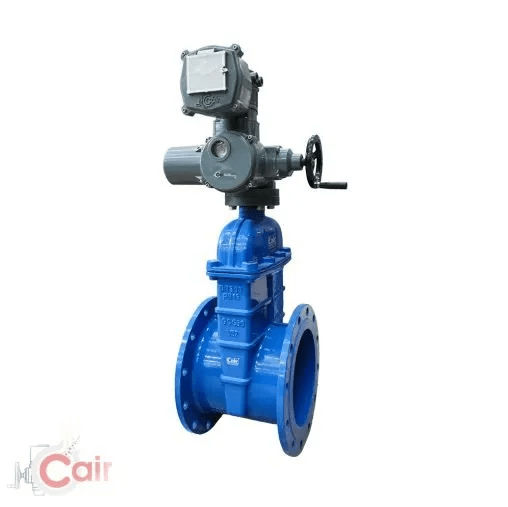
In the vast network of water distribution systems, reliability and control are paramount. Among the many mechanical components that ensure the smooth flow and regulation of water, the sluice valve stands out as one of the most critical. Often underestimated, these robust devices are foundational in managing high-pressure water flow in both municipal and industrial water systems. For engineers, utility planners, and infrastructure developers, understanding the role of sluice valves is not just beneficial—it’s essential to maintaining efficient and sustainable operations.
What is a Sluice Valve?
A sluice valve, also known as a gate valve, is primarily used to isolate flow in a pipeline rather than regulate it. It operates by lifting a gate out of the path of the fluid, enabling unobstructed flow when open and complete blockage when closed. This simple mechanism offers low flow resistance when fully open, making it a preferred choice in applications where fluid must move freely with minimal pressure drop.
Constructed typically from durable materials like cast iron, ductile iron, or stainless steel, sluice valves are built to withstand high pressures and corrosive environments, making them ideal for critical applications such as urban water supply grids, agricultural irrigation channels, and large-scale cooling water circuits in power plants.
Key Functions in Water Distribution Networks
In large-scale water distribution systems, sluice valves serve several indispensable functions:
1. Flow Isolation for Maintenance and Emergency Repairs
One of the primary uses of sluice valves is to isolate sections of a water pipeline for scheduled maintenance or emergency repairs. This ensures minimal disruption to the broader network, enabling targeted work while maintaining service to unaffected areas.
2. Zonal Pressure Control
Water networks are often divided into pressure zones. Sluice valves help define these zones and control pressure levels, reducing the risk of pipe bursts and ensuring consistent water delivery to consumers at various elevations or distances from the main supply.
3. System Expansion and Modularity
As water networks expand due to urban growth, sluice valves provide modular control. They allow sections of the pipeline to be added or modified without shutting down the entire system, ensuring operational flexibility and cost efficiency.
Importance of Proper Valve Selection
While sluice valves are highly versatile, their effectiveness depends on selecting the right type and size for the application. Factors such as pipeline diameter, operating pressure, flow characteristics, and environmental conditions must all be considered. Improper valve selection can lead to inefficiencies, leakage, or premature wear, all of which can be costly in both resources and downtime.
This is where experienced manufacturers play a vital role. Cair Euro, a trusted name in industrial flow control, offers a wide range of high-performance sluice valves engineered for durability and reliability. Their solutions cater to a variety of industries, ensuring precision and quality in every installation.
Advantages of Sluice Valves
The widespread adoption of sluice valves in water distribution systems can be attributed to their numerous advantages:
- Low Pressure Drop: When fully open, the gate design offers minimal resistance, preserving system efficiency.
- Tight Sealing: Ideal for complete shutoff, preventing leaks and backflow in critical applications.
- Durability: Engineered to last in high-pressure and corrosive environments.
- Ease of Operation: Can be operated manually, electrically, or pneumatically depending on system requirements.
These features make sluice valves indispensable in both urban infrastructure and rural water delivery schemes, where reliability and ease of operation are crucial.
Conclusion
Sluice valves are far more than simple on-off devices in a pipeline—they are strategic components that ensure the smooth, efficient, and safe operation of complex water distribution systems. From isolating flow for maintenance to managing pressure zones and enabling infrastructure scalability, their role cannot be overstated.
As urban development and industrial demands continue to grow, investing in high-quality, well-engineered sluice valves becomes increasingly important. Industry professionals seeking dependable solutions should prioritize valves from reputable suppliers who understand the nuances of fluid control. When performance matters, the right valve makes all the difference.
