

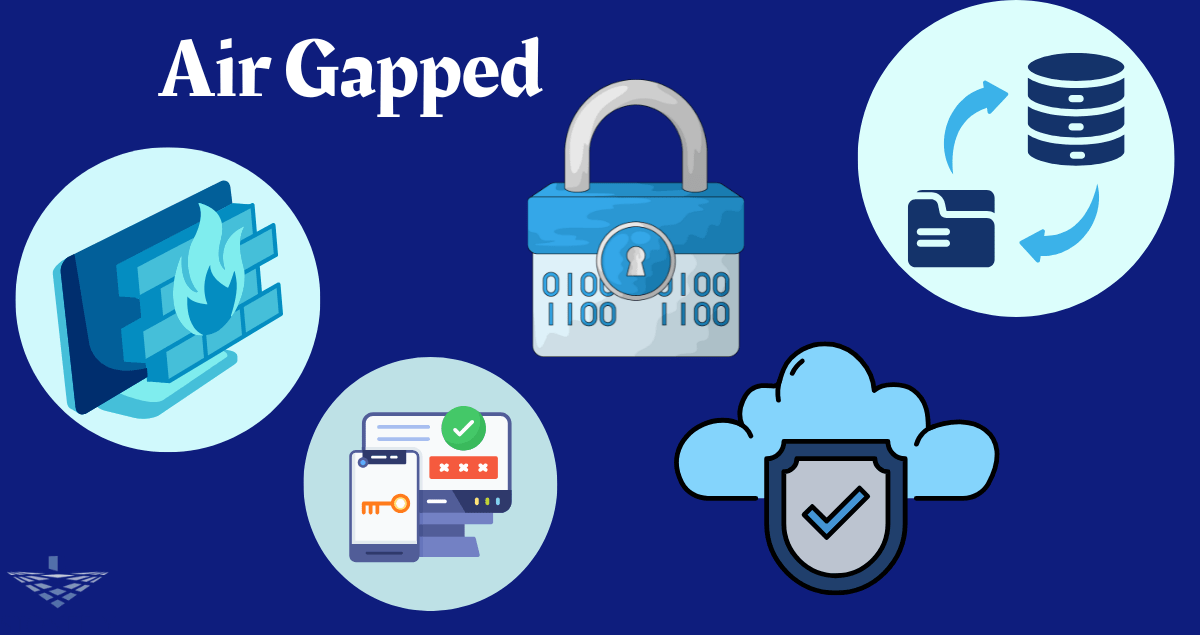
The Critical Role of Offline Protection in Modern Cybersecurity
Organizations today operate in a digital environment where information moves faster than ever before. While connectivity improves collaboration and productivity, it also creates new opportunities for cybercriminals. Businesses are increasingly searching for stronger methods to secure their most valuable data and systems. One proven solution is Air Gapped, an approach that creates a deliberate separation between critical resources and potentially vulnerable network environments.
Why Cyber Threats Continue to Evolve
The cybersecurity landscape has changed dramatically over the past decade. Attackers are no longer limited to simple malware or phishing campaigns. Modern threats often involve coordinated attacks, advanced ransomware, supply chain compromises, and credential theft.
These attacks target organizations of all sizes because valuable information exists in every industry. Financial records, customer data, intellectual property, operational systems, and confidential communications can all become attractive targets.
As businesses expand their digital infrastructure, the challenge becomes finding ways to maintain accessibility while minimizing exposure to risk.
The Limitations of Traditional Security Controls
Most organizations deploy multiple layers of protection, including:
- Firewalls
- Endpoint security solutions
- Identity management systems
- Network monitoring tools
- Encryption technologies
While these defenses are essential, they are primarily designed to reduce risk rather than eliminate it entirely. Determined attackers may eventually find ways to bypass security controls through human error, software vulnerabilities, or stolen credentials.
This reality highlights the importance of creating additional barriers that protect critical assets even when primary defenses fail.
Understanding Physical and Logical Separation
Separation is one of the oldest and most effective security principles. By creating boundaries between sensitive resources and external networks, organizations reduce the likelihood of unauthorized access.
This strategy involves limiting direct communication pathways between protected assets and operational environments. As a result, threats that spread through connected systems encounter significant obstacles before reaching critical information.
Why Separation Matters
Many cyberattacks rely on movement within a network. Once attackers gain an initial foothold, they often attempt to:
- Escalate privileges
- Access sensitive databases
- Disable security controls
- Corrupt backups
- Disrupt business operations
When critical systems are isolated, attackers face additional challenges that can significantly reduce the effectiveness of their campaigns.
Protecting Against Ransomware Incidents
Ransomware remains one of the most disruptive cybersecurity threats worldwide. Organizations across healthcare, finance, education, manufacturing, and government sectors have experienced severe operational disruptions caused by ransomware attacks.
In many cases, attackers attempt to encrypt both production systems and recovery resources. This leaves organizations with limited options and increases pressure to meet ransom demands.
Common Ransomware Tactics
Modern ransomware groups often follow a structured process:
- Initial network access
- Credential harvesting
- Lateral movement
- Data exfiltration
- System encryption
- Extortion demands
The ability to recover independently of compromised systems can dramatically reduce the impact of such attacks.
Supporting Business Continuity Objectives
Business continuity planning focuses on ensuring that critical operations remain functional during disruptive events. Cyber incidents represent only one category of disruption.
Organizations must also prepare for:
- Hardware failures
- Software corruption
- Human error
- Natural disasters
- Power interruptions
- Infrastructure outages
A resilient continuity strategy considers multiple scenarios and establishes recovery mechanisms that support ongoing operations.
Key Elements of Continuity Planning
Effective continuity planning includes:
Risk Identification
Understanding which assets are essential to daily operations helps organizations prioritize protection efforts.
Recovery Procedures
Documented recovery procedures provide clear guidance during emergencies and reduce confusion.
Resource Allocation
Recovery resources should be available when needed without introducing unnecessary complexity.
Regular Validation
Testing ensures that plans remain effective as environments evolve over time.
Benefits Beyond Security
Although cybersecurity is often the primary motivation, isolated protection strategies provide additional business benefits.
Improved Operational Confidence
Executives and stakeholders gain greater confidence when recovery mechanisms are designed to withstand major disruptions.
Enhanced Regulatory Readiness
Many regulations require organizations to demonstrate recovery capabilities and maintain secure handling of sensitive information.
Reduced Financial Risk
Downtime, data loss, and prolonged recovery efforts can generate significant costs. Strong protection measures help mitigate these financial risks.
Long-Term Stability
Organizations that invest in resilience are often better prepared to navigate future technological and security challenges.
Industries Where Protection Is Essential
Every organization can benefit from stronger security measures, but some industries face especially demanding requirements.
Healthcare
Healthcare providers must protect patient records while maintaining continuous access to critical services.
Financial Institutions
Banks and financial organizations handle highly sensitive information and operate under strict compliance obligations.
Government Agencies
Public sector organizations often manage confidential data and critical infrastructure.
Manufacturing Operations
Production disruptions can result in substantial financial losses and supply chain challenges.
Research Organizations
Research institutions frequently store valuable intellectual property that requires advanced protection.
Building a Security-First Culture
Technology alone cannot solve every security challenge. Organizations must also cultivate a culture that prioritizes protection and preparedness.
Leadership Commitment
Executive support helps ensure that security initiatives receive adequate resources and attention.
Employee Awareness
Many incidents begin with human error. Ongoing education helps employees recognize and avoid common threats.
Incident Response Preparation
Well-defined response procedures enable organizations to act quickly when problems occur.
Continuous Improvement
Security programs should evolve alongside changing threats, technologies, and business objectives.
Evaluating Protection Strategies
When assessing security and recovery solutions, organizations should consider several important factors.
Scalability
Solutions should support future growth without requiring major redesign efforts.
Reliability
Recovery resources must remain dependable during both routine operations and crisis situations.
Accessibility
Authorized personnel should be able to access recovery capabilities efficiently when needed.
Management Simplicity
Overly complex environments can introduce operational risks and increase maintenance requirements.
Compliance Alignment
Protection strategies should support industry regulations and organizational governance requirements.
Preparing for Future Challenges
Cybersecurity threats will continue to evolve. Emerging technologies, increasingly connected systems, and expanding digital ecosystems create both opportunities and risks.
Organizations that focus solely on prevention may struggle when unexpected incidents occur. A more balanced approach combines prevention, detection, response, and recovery capabilities.
Investing in resilience today helps organizations maintain operational stability tomorrow. As threat actors become more sophisticated, the ability to preserve and recover critical information remains one of the most valuable components of any cybersecurity strategy.
Conclusion
Modern organizations face an ever-growing range of cyber and operational risks. While traditional security controls remain important, they must be complemented by stronger resilience measures. By incorporating Air Gapped protection into a comprehensive security framework, businesses can strengthen recovery capabilities, reduce exposure to threats, and improve long-term operational confidence. A proactive approach to isolation and resilience helps ensure that critical resources remain protected even during major disruptions.
FAQs
1. Is isolation useful only for large enterprises?
No. Organizations of all sizes can benefit from isolation strategies. Small and medium-sized businesses often face the same cyber threats as larger enterprises and can improve resilience through stronger protection measures.
2. Can isolated environments support compliance requirements?
Yes. Many compliance frameworks emphasize secure data protection, recovery readiness, and risk management. Properly implemented isolation strategies can help organizations meet these objectives while enhancing overall security.
3. How does isolated protection improve ransomware recovery?
Isolated protection helps ensure that recovery resources remain separated from production environments. If ransomware compromises connected systems, organizations can restore critical data and operations from protected resources that were not affected by the attack.
4. Does implementing an isolated environment replace existing cybersecurity tools?
No. Isolated protection is most effective when used alongside existing security measures such as firewalls, endpoint protection, encryption, and monitoring solutions. It adds an additional layer of defense and strengthens overall resilience.
5. How often should organizations test their recovery and protection strategies?
Organizations should conduct regular testing to verify that recovery procedures work as expected. The frequency depends on business requirements, regulatory obligations, and the rate of infrastructure changes, but periodic testing is essential to ensure readiness during an actual disruption.
