

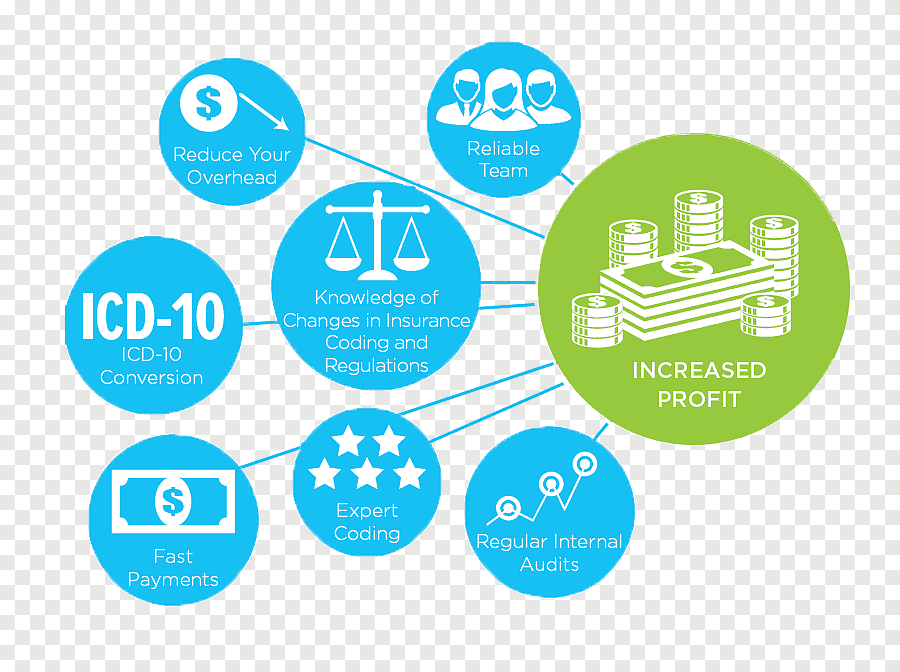
Medicare denials cost U.S. providers a staggering $6.7 billion annually – with 40% stemming entirely from preventable coding, documentation, and compliance errors. Medicare billing is the specialized, highly regulated process of submitting claims to the Centers for Medicare & Medicaid Services (CMS) for reimbursement under Medicare Part A (facilities/hospitals) and Part B (physician/professional services). Navigating the intricate federal rules governing Medicare billing is not optional; it’s fundamental to financial survival. Mastering compliant Medicare billing prevents catastrophic revenue loss and shields your practice from devastating audit risks under the False Claims Act.
Why Medicare Billing Demands Unique Expertise
Medicare operates under distinct rules that differ drastically from commercial payers:
- Complex Coverage Policies (LCDs/NCDs):
- Challenge: Services must meet Local Coverage Determinations (LCDs) or National Coverage Determinations (NCDs) proving “medical necessity.” Unmet criteria guarantee denials.
- Nuance: LCDs vary by Medicare Administrative Contractor (MAC) jurisdiction (e.g., Novitas vs. First Coast). Knowing your MAC’s policies is essential.
- Stringent Documentation Requirements:
- Challenge: Documentation must explicitly justify the level of service (e.g., E/M codes 99214/99215) and medical necessity for procedures. Insufficient notes trigger denials and audits.
- Nuance: “Medical necessity” hinges on precise ICD-10-CM coding linked directly to the CPT® code and supported by clinical details in the note.
- Modifier Minefield:
- Challenge: Correct modifier usage is critical and highly scrutinized.
- Modifier 25: Signifies a “separately identifiable” E/M service on the same day as a procedure. Top audit target.
- Modifier 59: Distinguishes “distinct procedural services.” Often requires specific documentation.
- GA/GZ/GY: Used with Advance Beneficiary Notices of Noncoverage (ABNs) for services Medicare may not cover.
- Nuance: Misapplying modifiers (especially 25 and 59) is a primary reason for OIG audits and recoupments.
- Challenge: Correct modifier usage is critical and highly scrutinized.
- Medicare Advantage (Part C) Complexity:
- Challenge: While federally funded, Medicare Advantage plans (e.g., UnitedHealthcare Medicare, Humana Gold Plus) are run by private insurers with their own prior authorization, coding, and network rules.
- Nuance: Billing MA plans requires understanding both core Medicare rules and the specific plan’s requirements – they are not identical to Traditional Medicare.
- Telehealth Rules (Post-PHE):
- Challenge: Post-Public Health Emergency rules are complex and evolving. Correct use of Place of Service (POS) codes (02 vs. 10), originating site requirements, and eligible services change frequently.
- Nuance: Billing telehealth incorrectly (e.g., wrong POS code, ineligible service) leads to automatic denials.
- High Audit Risk (RACs, MACs, OIG):
- Challenge: Medicare is a prime target for Recovery Audit Contractors (RACs), MAC audits, and OIG investigations due to program size. Errors can trigger extrapolated penalties.
- Nuance: Proactive compliance (internal audits, staff training) is non-negotiable for survival.
The Medicare Billing Workflow: 5 Critical Stages
- Provider Enrollment & Eligibility Verification:
- Step: Ensure provider is actively enrolled in PECOS and verify patient’s Medicare coverage (Traditional Part B or Medicare Advantage Plan) before service.
- Tools: MAC portals, IVR systems, real-time eligibility tools.
- Key: Distinguish between Traditional Medicare (billed directly to MAC) and Medicare Advantage (billed to the private plan).
- Coding & Documentation Compliance:
- Step: Assign accurate CPT®/HCPCS codes and precise ICD-10-CM codes supported by documentation meeting LCD/NCD medical necessity criteria and E/M level requirements. Apply modifiers correctly.
- Key: Ensure documentation explicitly links the diagnosis (ICD-10) to the service (CPT) and justifies medical necessity. Validate modifier usage (esp. 25, 59).
- Claim Generation & Scrubbing:
- Step: Generate CMS-1500 form (or UB-04 for facilities). Utilize advanced claim scrubbers configured for Medicare-specific rules:
- NCCI (National Correct Coding Initiative) Edits (e.g., bundling rules)
- LCD/NCD coverage requirements
- Modifier validity checks
- Telehealth rule compliance
- Key: Scrub before submission to catch 90%+ errors.
- Step: Generate CMS-1500 form (or UB-04 for facilities). Utilize advanced claim scrubbers configured for Medicare-specific rules:
- Claim Submission & Payment Posting:
- Step: Submit electronically (EDI) to the correct payer (MAC for Traditional, MA Plan for Advantage). Track submission. Post payments and adjustments (contractual, deductible, coinsurance) upon receiving the Electronic Remittance Advice (ERA). Reconcile payments against Medicare Fee Schedules.
- Key: Adhere to strict Timely Filing Limits (1 calendar year for Traditional Medicare). Identify underpayments by comparing payment to the Medicare Physician Fee Schedule (MPFS).
- Denial Management, Appeals & Compliance:
- Step: Analyze denial reasons (CARC/RARC codes). Correct errors and resubmit (if allowed) or file a formal appeal (Redetermination, Reconsideration, ALJ Hearing). Implement processes to prevent recurring denials. Conduct regular internal audits.
- Key: Track denial root causes (coding, auth, medical necessity). Appeal underpayments/denials within deadlines (120 days for Redetermination). Maintain robust compliance program.
Top 5 Costly Medicare Billing Errors & Solutions
- Error: Modifier 25 Misuse (Lack of Separate E/M Documentation)
- Solution: Audit charts where modifier 25 is used. Ensure documentation proves a separately identifiable E/M service beyond the usual pre/post-op work of the procedure. Train providers.
- Error: Insufficient Medical Necessity Documentation (LCD/NCD)
- Solution: Identify top LCDs for your specialty. Create checklists for providers. Ensure ICD-10 codes align precisely with LCD-covered diagnoses and documentation supports clinical indications.
- Error: Telehealth Billing Mistakes (POS Codes, Ineligible Services)
- Solution: Subscribe to CMS updates. Use POS 02 for telehealth. Verify service is permanently covered by Medicare post-PHE. Document patient consent and location.
- Error: Missing/Incorrect ABN Forms (GA/GZ Modifiers)
- Solution: Implement mandatory ABN checks for services likely non-covered. Train staff on proper ABN issuance (timing, content, patient signature). Append correct modifier (GA if signed, GZ if waived).
- Error: Failing to Verify Medicare Advantage Plan Rules
- Solution: Treat MA plans like commercial insurers. Always verify plan-specific coverage, prior auth requirements, and network status before service. Bill the plan, not Traditional Medicare.
Optimizing Medicare Reimbursement & Reducing Risk
- Leverage Official CMS Resources:
- MAC Portals: Your local MAC (e.g., Novitas, First Coast, NGS, WPS) offers jurisdiction-specific guides, bulletins, and FAQs.
- MLN Matters Articles: CMS-published detailed billing instructions.
- Medicare Physician Fee Schedule (MPFS) Lookup Tool: Verify payment rates.
- Invest in Medicare-Specific Technology:
- Real-Time Eligibility Verification: Integrated with scheduling/registration.
- Advanced Medicare Claim Scrubbers: Configured for NCCI edits, LCD rules, and modifier logic.
- MIPS Reporting Tools: Automate quality data capture and submission (vital for payment adjustments).
- Prioritize Staff Training & Certification:
- Certified Professional Biller (CPB – AAPC): Focuses on Medicare/compliance.
- Regular CMS Updates: Quarterly briefings on rule changes (PFS Final Rule, Telehealth updates).
- Specialized Medicare Coding Training: For coders on ICD-10-CM specificity and modifier use.
- Proactive Compliance & Audits:
- Internal Audits: Regularly sample charts for documentation, coding, and modifier accuracy against Medicare rules.
- OIG Work Plan Alignment: Review annual OIG plan for your specialty’s audit targets.
- QUI Program: Consider CMS’s Quality Improvement Organization (QIO) initiatives for education.
Essential Medicare Billing KPIs
- Medicare Denial Rate: Target <5% (Significantly below national average)
- Medicare Clean Claim Rate: Target >97%
- Days in A/R for Medicare Claims: Target <30 days
- Underpayment Recovery Rate: >85% of identified Medicare underpayments recovered
- Timely Filing Denial Rate: Target 0%
- Modifier 25 Audit Pass Rate: >95% on internal reviews
The Future of Medicare Billing
- 2024 Physician Fee Schedule Impacts: Annual payment rate changes, telehealth extensions, MIPS threshold increases.
- Prior Authorization Expansion: Expect wider prior auth requirements for certain services (e.g., already proposed for Power Mobility Devices, Facet Joint Interventions).
- Increased AI Auditing: CMS and MACs utilizing AI for claims review and audit targeting.
- Value-Based Care Integration: MIPS evolving into MIPS Value Pathways (MVPs), requiring tighter integration of quality reporting with billing.
- Stricter Telehealth Oversight: Enhanced documentation requirements and potential site-of-service differential changes.
Conclusion: Precision is Non-Negotiable in Medicare Billing
Medicare billing operates under a microscope. The $6.7 billion annual denial drain proves that minor errors carry massive financial consequences. Mastering the complexities – from LCDs/NCDs and modifier logic to Medicare Advantage nuances and post-PHE telehealth rules – is not just about revenue optimization; it’s about practice preservation. By leveraging CMS resources, investing in Medicare-specific technology, prioritizing certified training, conducting rigorous internal audits, and meticulously tracking performance KPIs, providers can transform their Medicare billing from a high-risk liability into a compliant, revenue-securing asset. In an era of heightened scrutiny and evolving rules, excellence in Medicare billing is fundamental to financial stability and longevity.
Frequently Asked Questions (FAQs)
- Q: What’s the #1 Medicare billing error?
A: Modifier 25 misuse – appending without documented, separate E/M service. A top audit trigger. - Q: How long do I have to submit Medicare claims?
A: 1 calendar year from the service date for Traditional Medicare. Medicare Advantage plans set their own (often shorter) deadlines. - Q: Can I bill Medicare Advantage like Traditional Medicare?
A: No. MA plans have distinct rules (auth, networks, billing). Always verify plan-specific requirements first. - Q: What are penalties for Medicare billing errors?
A: Up to $10k per false claim + treble damages under the False Claims Act. Audits can extrapolate errors across years. - Q: How do I appeal a Medicare denial/underpayment?
A: File a Redetermination (1st appeal) within 120 days with supporting docs to your MAC. Persistence through appeal levels is often needed.
