

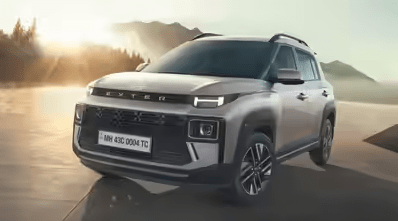
Road conditions across India have become more complex, making vehicle safety an important consideration for modern drivers. From crowded city roads to expanding highways, drivers encounter varied traffic situations every day. The EXTER reflects how compact SUVs are designed with safety at the centre of development. By integrating restraint systems, braking technologies, and driver awareness features, the vehicle supports stable everyday mobility. The approach behind Hyundai EXTER safety focuses on combining structural protection with intelligent systems to support both drivers and passengers.
A Safety-Focused Development Approach
Vehicle safety today involves more than adding protective features at the final stage of production. Engineers consider safety during the early stages of vehicle design so that structural components and electronic systems operate together effectively. This integrated approach ensures that safety systems support both accident prevention and occupant protection.
Two principles guide this philosophy. The first focuses on assisting drivers in maintaining control through braking and stability technologies. The second focuses on protecting occupants during collisions through restraint systems and reinforced safety elements within the cabin. When these systems work together, they create a more dependable driving environment.
For compact SUVs used in everyday commuting, this balance becomes especially important. Drivers frequently encounter stop-and-go traffic, changing road surfaces, and tight manoeuvring conditions. Vehicles designed with integrated safety systems can support drivers during these everyday challenges while maintaining stability and passenger protection.
Occupant Protection Systems
Passenger protection forms the foundation of modern automotive safety. Restraint systems are designed to reduce injury risk during sudden impacts and help maintain passenger stability inside the cabin.
Key occupant protection features include:
- Driver and passenger airbags that support protection during frontal collisions.
- Side airbags that provide additional torso protection during lateral impacts.
- Curtain airbags that extend along the side windows to help protect occupants’ heads.
- Three-point seat belts for all seating positions that secure passengers during travel.
- Seat belt pretensioners and load limiters that manage belt tension during sudden deceleration.
- ISOFIX child seat anchors that allow compatible child restraint systems to be installed securely.
Together, these systems create multiple layers of protection within the vehicle cabin, supporting safety for both adult passengers and children.
Stability and Braking Technologies
Active safety technologies help drivers maintain control during sudden braking or unexpected road conditions. Braking and stability systems work continuously in the background to support vehicle balance and steering stability.
Key stability and braking features include:
- Anti-lock Braking System with Electronic Brakeforce Distribution, which helps prevent wheel lock during sudden braking while maintaining steering control.
- Electronic Stability Control that monitors wheel movement and helps maintain vehicle balance when traction changes.
- Hill-start Assist Control that helps prevent rollback when moving off on an incline.
- Vehicle Stability Management that coordinates braking support to maintain traction during sudden manoeuvres.
These technologies help drivers maintain stability during emergency braking, sharp turns, or uneven road conditions, supporting a controlled driving experience.
Driver Awareness and Everyday Assistance
Driver awareness plays an essential role in road safety. Modern vehicles include technologies that help drivers monitor their surroundings and respond effectively during daily travel.
Key driver assistance features include:
- Tyre Pressure Monitoring System that alerts drivers when tyre pressure drops below the recommended level.
- Rear parking sensors that detect obstacles when reversing.
- Rear camera with guidelines that supports safer manoeuvring in tight spaces.
- LED daytime running lamps that improve the vehicle’s visibility to other road users.
- Projector headlamps that provide clearer illumination during night driving.
- Automatic headlamps that activate when surrounding lighting conditions change.
These systems help drivers remain aware of their environment while improving visibility and manoeuvring confidence during everyday journeys.
Safety in Real-World Driving Conditions
Driving conditions across India vary from crowded city roads to residential areas to open highways. Vehicles designed for everyday mobility must support drivers across these environments. Urban driving often involves frequent braking and limited parking spaces, where stability technologies and parking assistance systems help drivers maintain control.
Highway travel involves higher speeds and longer distances, where braking stability and improved lighting systems support better visibility and road awareness. Through this combination of protective and preventive technologies, the EXTER supports safer driving in everyday situations.
Integrated Safety Systems in the Hyundai EXTER
The safety systems integrated into the vehicle combine restraint technologies, braking assistance systems, driver alerts, and visibility enhancements to support everyday mobility. These elements operate together to create a balanced safety environment that protects passengers while assisting the driver during varied road situations. Through this integrated design approach, Hyundai EXTER safety reflects how modern compact SUVs can combine active and passive safety systems to support dependable driving across Indian roads.
Conclusion
Vehicle safety today depends on the coordinated performance of structural protection, stability technologies, and driver awareness systems. When these elements work together, they help drivers maintain control and protect occupants in unexpected situations. The approach behind the EXTER shows how multiple layers of safety support can be integrated into modern vehicles. By combining restraint systems, braking technologies, and visibility features, vehicles can help drivers navigate varied road environments with greater confidence.
