

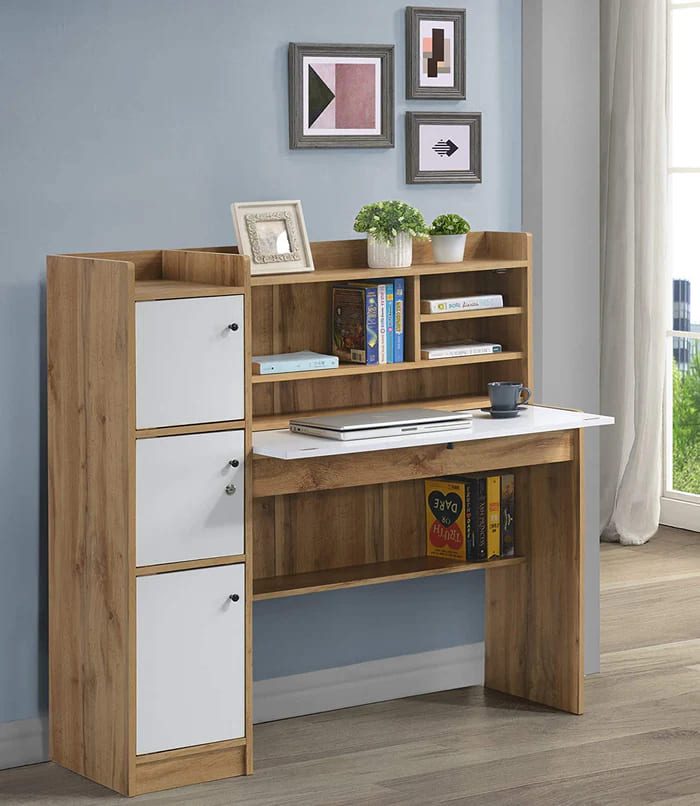
A study table is one of the most important pieces of furniture for students. Whether studying for school exams, attending online classes, preparing for competitive exams, or working on assignments, having a dedicated workspace can significantly improve focus and productivity.
When shopping for a study table, students and parents often face a common question: Should you choose a study table with storage or a study table without storage? While both options serve the same basic purpose, they offer different benefits depending on the student’s needs, room size, study habits, and organizational preferences.
In this guide, we’ll compare both types of study tables and help you determine which option is best suited for students.
Why the Right Study Table Matters
A well-designed study table creates a comfortable and organized environment that encourages learning. It provides enough space for books, notebooks, laptops, and other study essentials while helping students maintain proper posture.
However, the functionality of a study table goes beyond just providing a flat surface. Storage options, workspace availability, and room organization all play important roles in creating an effective study setup.
This is why understanding the differences between study tables with and without storage is essential before making a purchase.
What Is a Study Table with Storage?
A study table with storage includes built-in drawers, shelves, cabinets, or compartments designed to store books, stationery, documents, gadgets, and other study materials.
These tables are specifically designed to keep everything within easy reach while reducing clutter on the tabletop.
Common storage features include:
- Drawers for stationery and accessories
- Open shelves for books
- Cabinets with doors for larger items
- Side compartments for files and notebooks
These study tables combine workspace and storage in one compact furniture unit.
Benefits of a Study Table with Storage
Better Organization
One of the biggest advantages of a study table with storage is organization. Students often accumulate books, notebooks, pens, chargers, calculators, and various study materials over time.
Built-in storage allows everything to have a designated place, making it easier to find items when needed.
Reduced Clutter
A cluttered study environment can be distracting. When books and supplies are scattered around the room, students may waste valuable time searching for what they need.
Storage compartments help keep the study area neat and tidy, creating a cleaner and more productive workspace.
Ideal for Small Rooms
Many students live in rooms with limited space. A study table with storage can eliminate the need for additional shelves or cabinets.
Instead of purchasing multiple furniture pieces, students can use a single table that serves both study and storage purposes.
Improved Productivity
When study materials are organized and easily accessible, students can focus better on their work. Less time spent searching for books or supplies means more time dedicated to learning.
Long-Term Practicality
As students progress through different grades and educational levels, their study materials often increase. A study table with storage provides extra space to accommodate growing academic needs.
Potential Drawbacks of Study Tables with Storage
While storage tables offer many benefits, they may not be suitable for everyone.
Larger Footprint
Storage compartments naturally make the table larger and heavier. In very compact rooms, this may reduce available floor space.
Higher Cost
Study tables with drawers, shelves, and cabinets generally cost more than simpler designs because of the additional materials and construction.
Less Flexibility
Because storage units are built into the table, rearranging furniture layouts can sometimes be more challenging compared to lightweight tables without storage.
What Is a Study Table Without Storage?
A study table without storage is a simple desk that provides a work surface without built-in drawers or shelves.
These tables focus on minimalism and functionality, offering a clean and spacious workspace.
They are commonly used by students who already have separate storage furniture or those who prefer a without clutter setup.
Benefits of a Study Table Without Storage
Clean and Minimal Design
Many students appreciate the sleek appearance of a without storage study table. The simple design creates a modern and open look that blends well with various room styles.
More Legroom
Without drawers or cabinets underneath, students often enjoy greater legroom and seating comfort.
This can be especially beneficial during long study sessions.
Lightweight and Easy to Move
Study tables without storage are generally lighter and easier to relocate. Students who frequently rearrange their rooms may find this flexibility useful.
Lower Cost
Simple study tables typically cost less than models with storage, making them an affordable choice for students and families.
Spacious Work Surface
Many minimalist study tables prioritize tabletop space, allowing students to spread out books, laptops, notebooks, and study materials comfortably.
Potential Drawbacks of Study Tables Without Storage
Although minimalist desks offer several advantages, they also come with limitations.
Limited Organization
Without built-in storage, students must rely on separate shelves, cabinets, or storage boxes to keep their materials organized.
Increased Clutter Risk
Items often end up piling on the tabletop when there is no designated storage space. This can make the study area appear messy over time.
Additional Furniture May Be Required
Students with many books and supplies may eventually need extra storage furniture, which can increase both costs and room space requirements.
Which Option Is Better for Different Types of Students?
The right choice depends largely on individual study habits and room conditions.
School Students
School students usually have textbooks, notebooks, stationery, art supplies, and project materials that require organized storage.
For this reason, a study table with storage is often the better choice. It helps keep all school essentials in one convenient location.
College Students
College students often rely heavily on laptops, digital resources, and fewer physical books.
If storage needs are minimal, a study table without storage may provide sufficient workspace while maintaining a modern appearance.
However, students managing multiple subjects and reference books may still benefit from storage features.
Competitive Exam Aspirants
Students preparing for entrance exams, government exams, or professional certifications often accumulate large volumes of study material.
A study table with shelves and drawers can help manage books, notes, question banks, and stationery efficiently.
Students Living in Shared Spaces
Hostel rooms, apartments, and shared accommodations often have limited space.
In such situations, a study table with integrated storage can maximize functionality while reducing the need for additional furniture.
Factors to Consider Before Choosing
Room Size
For compact rooms, carefully measure available space before selecting a study table.
If separate storage furniture is not practical, a study table with storage can be a smart space-saving solution.
Study Habits
Students who prefer keeping everything organized and within reach usually benefit from storage-equipped tables.
Those who prefer minimalist setups may enjoy a simple desk without storage.
Amount of Study Material
Consider how many books, notebooks, files, and accessories need storage.
The greater the volume of study materials, the more useful built-in storage becomes.
Budget
Storage tables often require a larger investment, but they can reduce the need for additional furniture purchases later.
Students working within a limited budget may find simple study tables more affordable.
Future Needs
Think beyond current requirements. A table that meets future academic needs can offer better long-term value.
The Growing Popularity of Hybrid Study Tables
Modern furniture designs increasingly combine the best features of both styles.
Many contemporary study tables offer compact drawers, open shelves, and spacious tabletops without appearing bulky.
These hybrid designs provide practical storage while maintaining a clean and modern aesthetic, making them popular among students of all age groups.
Final Verdict: Which One Do Students Actually Need?
There is no universal answer because every student’s needs are different.
A study table with storage is generally the better option for students who have numerous books, stationery items, and study materials. It promotes organization, reduces clutter, and helps maximize room space.
A study table without storage is ideal for students who prefer minimalist setups, primarily use digital devices, or already have separate storage solutions available.
For most students, especially school students and exam aspirants, a study table with storage offers greater practicality and long-term value. It creates an organized learning environment that supports better concentration and productivity.
Ultimately, the best study table is one that fits the student’s room, study habits, and future academic needs while providing a comfortable and inspiring place to learn.
