

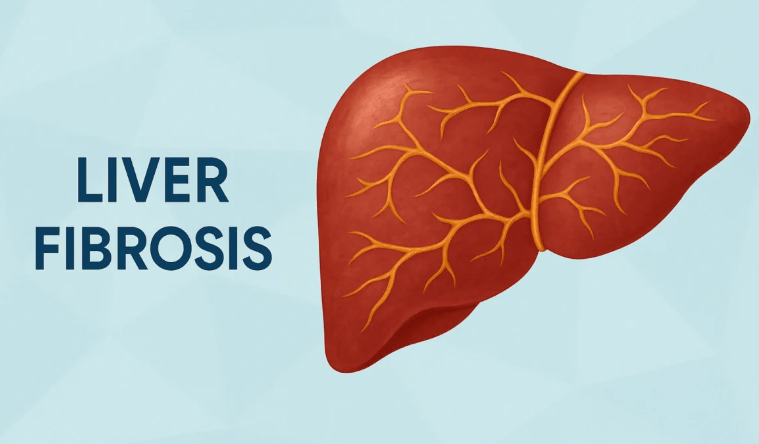
Liver fibrosis is a serious health condition that develops slowly and often goes unnoticed until it reaches an advanced stage. It happens when the liver is repeatedly injured due to causes like fatty liver disease, alcohol use, or viral hepatitis. Over time, healthy liver tissue is replaced by scar tissue, which impairs liver function. If left untreated, fibrosis can progress to cirrhosis and liver failure. Understanding the different stages of liver fibrosis is important because treatment options depend on how far the disease has progressed. Today, timely diagnosis and proper liver fibrosis treatment in Delhi offer hope for better outcomes and improved quality of life.
Causes Leading To Liver Fibrosis
Liver fibrosis develops as a response to chronic inflammation or injury. Common causes include long-standing viral hepatitis, excessive alcohol intake, non-alcoholic fatty liver disease associated with obesity or diabetes, autoimmune liver conditions, and inherited metabolic disorders. Each episode of liver injury triggers a repair process. When this process repeats over time, scar tissue accumulates faster than healthy liver cells can regenerate.
As fibrosis progresses, blood flow through the liver becomes restricted. This reduces the liver’s ability to filter toxins, regulate nutrients, and support other vital bodily functions. The rate of progression varies depending on the cause and the timing of medical intervention.
How Liver Fibrosis Is Staged
Doctors classify liver fibrosis into stages to assess severity and plan appropriate treatment. Staging reflects the amount of scar tissue present and how widely it has spread within the liver. This classification plays a central role in deciding treatment intensity and follow-up frequency.
Stage F0 To F1: Minimal Fibrosis
This stage indicates no fibrosis or very mild scarring. Liver structure remains largely normal, and most individuals experience no symptoms. Fibrosis at this level is often detected during routine blood tests or imaging done for other medical reasons.
Treatment focuses on controlling the underlying cause of liver injury. With timely medical guidance and regular monitoring, further progression can often be prevented.
Stage F2: Moderate Fibrosis
Moderate fibrosis shows a noticeable increase in scar tissue. Liver function usually remains preserved, though some individuals may experience fatigue, mild abdominal discomfort, or persistently abnormal liver enzyme levels.
At this stage, doctors recommend structured monitoring and medical management. Early intervention significantly reduces the risk of progression to advanced fibrosis.
Stage F3: Advanced Fibrosis
Advanced fibrosis involves extensive scarring that begins to disrupt normal liver architecture. Blood flow through the liver becomes more restricted, increasing the risk of complications. Symptoms may include weakness, reduced appetite, and fluid retention in some cases.
Management at this stage requires close medical supervision and regular assessment to prevent progression to cirrhosis.
Stage F4: Cirrhosis
Cirrhosis represents the most severe stage of liver fibrosis. The liver becomes significantly scarred and hardened, impairing its function. Individuals may experience jaundice, fluid accumulation, bleeding tendencies, or mental changes related to toxin buildup.
Care focuses on managing complications, preserving remaining liver function, and improving quality of life.
Diagnostic Evaluation In Delhi
Accurate staging is essential for effective treatment planning. Reputed hospitals in Delhi, like BLK Max Super Speciality Hospital, use blood tests, ultrasound imaging, elastography, and other non-invasive tools to assess liver stiffness and scarring. In selected cases, a liver biopsy may be advised for detailed evaluation. The increasing use of non-invasive diagnostic techniques has improved accuracy while reducing patient discomfort.
Treatment Approaches Based On Fibrosis Stage
Treatment for liver fibrosis depends on the stage of the disease and the underlying cause. There is no single therapy that reverses fibrosis immediately. Instead, medical care focuses on slowing progression and preventing complications.
The approach to treatment generally follows these principles:
- Early stages focus on treating the underlying cause and preventing further liver injury.
- Moderate stages require regular monitoring and structured medical management.
- Advanced stages prioritise complication control and preservation of liver function.
These approaches aim to reduce disease progression and support long-term liver health. Liver fibrosis treatment in Delhi commonly combines medical therapy, nutritional guidance, and consistent follow-up under specialist supervision.
Importance Of Early Detection
Delayed diagnosis remains one of the major challenges in liver fibrosis. Many individuals seek medical attention only after symptoms appear, which often indicates advanced disease. Regular health check-ups for people with known risk factors allow earlier detection, timely treatment, and better outcomes.
Conclusion
Liver fibrosis progresses gradually, but its course varies between individuals. Understanding the stages of fibrosis helps patients recognise the importance of early diagnosis and consistent medical care. Treatment options in Delhi are guided by disease stage, underlying cause, and overall health. With timely intervention, structured management, and regular follow-up, progression can often be slowed, supporting better long-term liver health and quality of life.
