

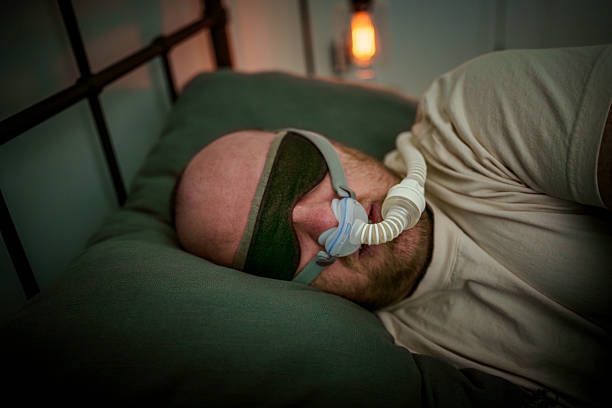
Snoring is a specific low-frequency vibrating sound produced by breathing during sleep. It occurs in 5-10% of children and approximately 30% of adults. Mild snoring can occur in anyone and requires no treatment. Loud snoring is often a sign of obstructive sleep apnea (OSA)—repeated, short-term pauses in breathing. When a person is awake, the muscles of the pharynx, soft palate, and tongue are toned, the upper airway remains open, and breathing is easy and silent. During sleep, muscle tone decreases, the muscles of the soft palate and pharyngeal walls gradually relax, and the pharynx narrows slightly. If there are predisposing factors that lead to excessive relaxation of the pharyngeal muscles and/or their narrowing, then when breathing and passing a stream of air, their walls begin to vibrate and create a characteristic sound (snoring). In persistent or severe cases, consulting a snoring specialist can help identify the underlying cause and recommend effective treatment options
The deep sleep phase
During the deep sleep phase, there is a further decrease in muscle tone in the lower part of the nasopharynx and oropharynx (soft palate, root of the tongue, epiglottis), which can lead to complete collapse of the pharynx and the development of an acute episode of suffocation.
As a result, the organs begin to experience oxygen starvation. In response, the brain regains control of the pharyngeal muscles and the airways reopen. The person snores loudly and takes several deep breaths, restoring normal oxygen levels in the body. This cycle can repeat many times during the night (up to 400–500 pauses in breathing of varying duration).
The size of the upper airway opening at the pharynx depends on:
- from the original internal diameter of the pharynx,
- from the degree of pressure reduction in the lumen during inhalation,
- from the tone of the pharyngeal muscles during sleep.
Breathing
Frequent episodes of suffocation with decreased blood oxygen levels cause drowsiness throughout the following day, headaches, decreased potency, sweating, and frequent urination at night, and the development of cardiovascular, metabolic, endocrine, neurological, and mental disorders. Acute and chronic oxygen deprivation during sleep significantly increases the risk of arterial hypertension, heart rhythm disturbances, myocardial infarction, stroke, and sudden death in sleep. Severe sleep apnea in children leads to severe attention deficit hyperactivity disorder and delayed physical and mental development.
Types of Snoring:
Doctors distinguish several types of snoring depending on the severity of its development and possible consequences:
Isolated or uncomplicated snoring
- episodic – can be observed in all people during a cold, as well as a result of severe fatigue, Alcohol consumption
- constant – occurs at least three times a week;
- complicated snoring – when there are episodes of breathing pauses during sleep.
Possible causes of snoring
The most common causes of narrowing of the airway at the level of the pharynx in adults are:
- fat deposits in the walls of the pharynx in obese patients (fat deposits in the area of the soft palate, uvula, and lateral arches narrow and compress the lumen of the pharynx);
- enlarged tonsils, adenoids, nasal polyps;
- deviated nasal septum;
- congenital anomalies of the upper respiratory tract, underdevelopment of the upper or lower jaw;
- malignant or benign neoplasms of the nasopharynx;
- enlargement of the tongue (Down syndrome, congenital tumors, endocrine disorders, amyloidosis);
- rhinitis, which occurs with inflammation and swelling of the nasal passages;
- elongated uvula;
- Thornwaldt’s cyst (a congenital cyst-like formation located on the posterior wall of the nasopharynx);
- deformations of the facial skeleton after injury;
- hypertrophy of the vocal cords, larynx, and tongue in acromegaly, etc.
Causes of snoring and obstructive sleep apnea
The main causes of snoring and the development of obstructive sleep apnea syndrome in children are adenotonsillar hypertrophy of allergic or inflammatory origin, obesity, and rhinitis.
Constant mouth breathing leads to the development of a vertically elongated face, a small and posteriorly displaced lower jaw, and crowded teeth. Secondary hypertrophy of the palatine tonsils develops. If chronic nasal obstruction is left untreated, facial skeletal malformations may develop by the age of 10-12, which themselves are risk factors for snoring. Moderate and severe forms of obstructive sleep apnea develop by the age of 25-30.
Patients with hypothyroidism
Patients with hypothyroidism (underactive thyroid gland) are predisposed to weight gain, visceral swelling, and decreased muscle tone. This results in a tendency to snore. Acromegaly in adults is characterized by disproportionate growth of individual organs, including the tongue, leading to a narrowing of the pharynx at the base of the tongue and increasing the risk of OSA.
Neuromuscular degenerative processes
Neuromuscular degenerative processes (aging, neuromuscular diseases, amyotrophic lateral sclerosis) cause muscle dysfunction, including those responsible for maintaining the airway during sleep. This increases the risk of pharyngeal collapse and the development of obstructive sleep apnea. Alcohol and drugs have a muscle-relaxant effect (relaxing the muscles), inhibit brain activity, and contribute to snoring.
Smoking
Smoking has a negative chronic irritant effect on the upper respiratory tract, resulting in tissue swelling, narrowing of the airways, and triggering sleep-disordered breathing.
The risk of developing snoring in smokers is 2 times higher than in non-smokers.
Which doctors should I see for snoring?
If you snore, you should consult an ear nose and throat specialist or a somnologist (a specialist who specializes in sleep issues). Consultations and treatment with other specialists may be recommended, including an oncologist, nutritionist, orthodontist, cardiologist, endocrinologist, or neurologist.
Diagnosis and examinations for snoring
Polysomnography is a long-term instrumental method for diagnosing sleep disorders. It is used to assess the body’s functioning during sleep, identify abnormalities in brain activity, breathing, and cardiac activity, and determine the cause of sleep disturbances. Approximately 18 sensors are attached to the patient’s head, torso, and limbs. During sleep, sensors record respiratory rates, blood oxygen saturation, respiratory movements of the chest and abdominal wall, body position, and movements of the lower extremities, an electrocardiogram, an electroencephalogram (electrical activity of the brain), an electrooculogram (eye movements), an electromyogram (tonus of the chin muscles), and snoring. Video cameras above the bed record a person’s reactions during sleep. A doctor then interprets the obtained data.
Computerized sleepography
Computerized sleepography is a method for diagnosing sleep-disordered breathing. The device is placed on the wrist, and two external sensors are placed on the finger (to record blood oxygen saturation and pulse) and on the chest (to record snoring episodes, body position, and chest movements). The results are processed by a computer.
Cardiorespiratory monitoring
Cardiorespiratory monitoring is a hardware method for recording airflow through the nose and mouth, chest and abdominal movements, snoring, and blood oxygen saturation. An electrocardiogram is also recorded.
Respiratory monitoring
Respiratory monitoring is a hardware-based method for recording respiratory flow, snoring, blood oxygen levels, and pulse parameters. The device is attached to the wrist, and a cannula is inserted into the nose. X-rays of the facial skull, computed tomography, or MRI are used to clarify the characteristics of deformities of the nasal and jaw bones and to determine the precise location, size, and structure of tumors: sinus X-rays, skull X-rays, brain MRIs, brain and skull CT scans, and sinus CT scans.
