

Every small business dreams of growth—whether it’s upgrading machinery, expanding operations, or improving productivity. However, purchasing equipment outright can strain cash flow, especially for startups or growing businesses. This is where a small business equipment loan becomes a strategic financial solution.
What Is a Small Business Equipment Loan?
A small business equipment loan is a type of financing designed specifically for purchasing machinery, tools, or technology that your business needs. Unlike traditional loans, these loans are often secured by the equipment itself, making it easier for small businesses to qualify.
Small business equipment loan can be used to buy both new and used equipment, and they cover a wide range of industries including manufacturing, construction, medical, agricultural, and technology.
Benefits of a Small Business Equipment Loan
Preserve Cash Flow: Spread the cost of expensive equipment over time instead of depleting your cash reserves.
Ownership of Assets: Once the loan is paid off, the equipment is fully yours.
Flexible Financing Terms: Loan durations can vary from a few months to several years depending on your needs.
Tax Advantages: Equipment purchases may qualify for depreciation or Section 179 tax deductions.
Access to Modern Technology: Finance the latest equipment without compromising operational funds.
Types of Equipment That Can Be Financed
Small business equipment loans can cover a broad spectrum of assets:
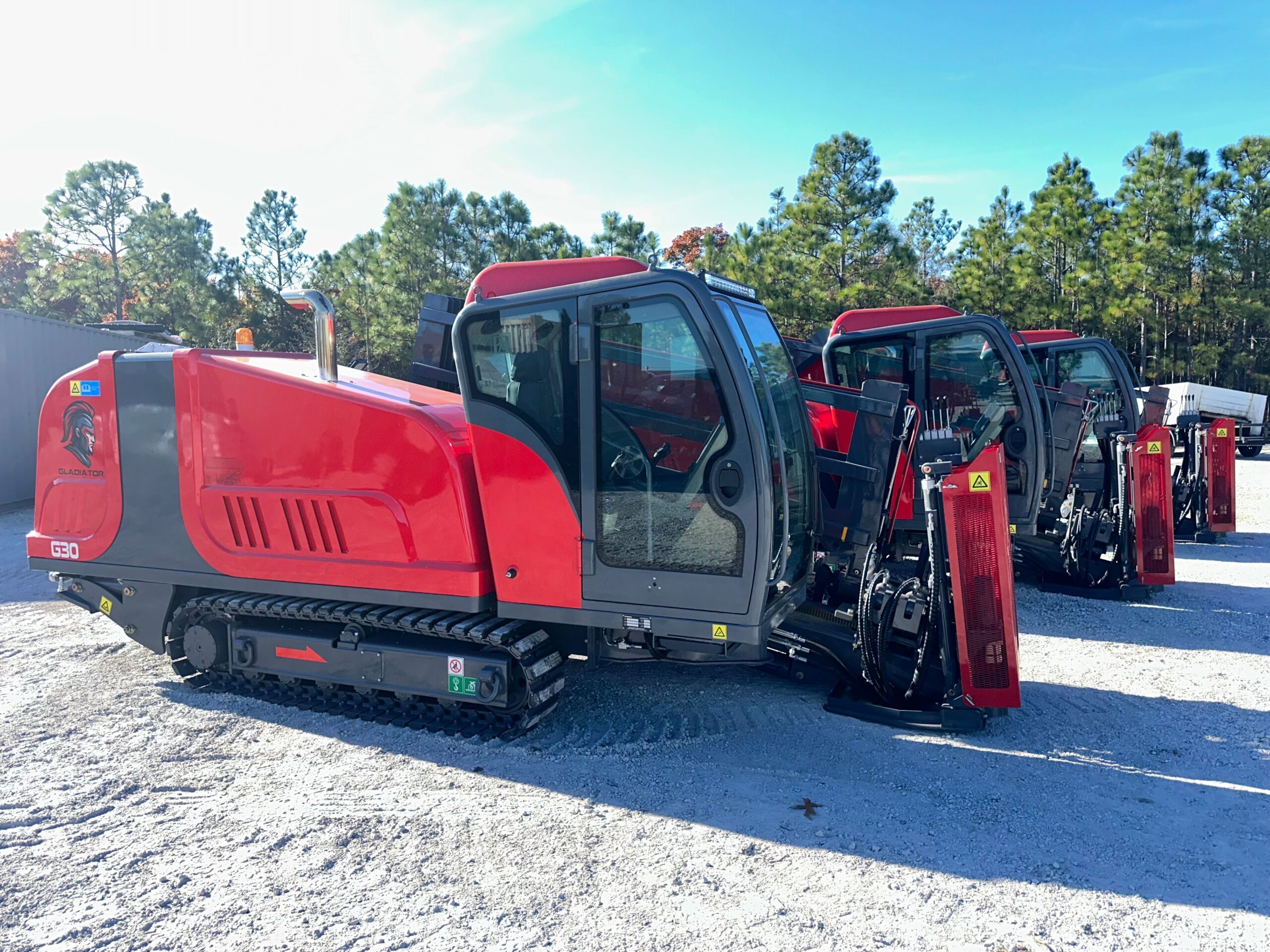
Construction Equipment: Excavators, forklifts, and other heavy machinery.
Manufacturing Equipment: Production machines, 3D printers, and tools.
Medical Equipment: Diagnostic machines, dental chairs, or lab tools.
Office Equipment: Computers, servers, printers, and communication devices.
Agricultural Equipment: Tractors, harvesters, irrigation systems, and more.
Essentially, if equipment is critical to your business operations, it may qualify for financing.
How to Qualify for a Small Business Equipment Loan
Qualification requirements can vary, but lenders generally ask for:
Business financial statements (income, expenses, and cash flow)
Personal and business credit history
A clear explanation of how the equipment will be used
Details about the equipment being purchased
Sometimes a down payment or collateral
Small businesses with solid revenue, a clear plan for equipment use, and manageable debt levels usually have higher chances of approval.
Equipment Loan vs. Lease
Many small businesses wonder whether to buy or lease equipment. Here’s the key difference:
Equipment Loan: You own the equipment from day one. Once the loan is fully repaid, the asset belongs to you.
Equipment Lease: You make regular payments for usage, but ownership usually remains with the leasing company.
Choosing between the two depends on your budget, cash flow, and long-term goals.
How to Apply for a Small Business Equipment Loan
Identify Equipment Needs: Know exactly what you need and its cost.
Compare Lenders: Look for banks, credit unions, or online lenders offering competitive rates.
Prepare Documentation: Gather financial statements, business registration, and equipment details.
Submit Your Application: Many lenders offer online applications for convenience.
Receive Funding: Once approved, funds are typically released quickly to purchase the equipment.
Tips to Maximize Your Small Business Equipment Loan
Choose Only Essential Equipment: Focus on purchases that will generate revenue or efficiency.
Check Interest Rates: Compare rates and terms across multiple lenders.
Plan Your Repayments: Ensure your business cash flow can comfortably handle loan payments.
Maintain Good Credit: Timely repayments improve credit scores and future borrowing potential.
Conclusion
For small businesses aiming to grow efficiently, a small business equipment loan is a smart financial strategy. It allows companies to invest in the machinery and tools they need without straining cash flow. By understanding loan options, preparing the necessary documentation, and choosing the right lender, small businesses can access the equipment they need to thrive.
