

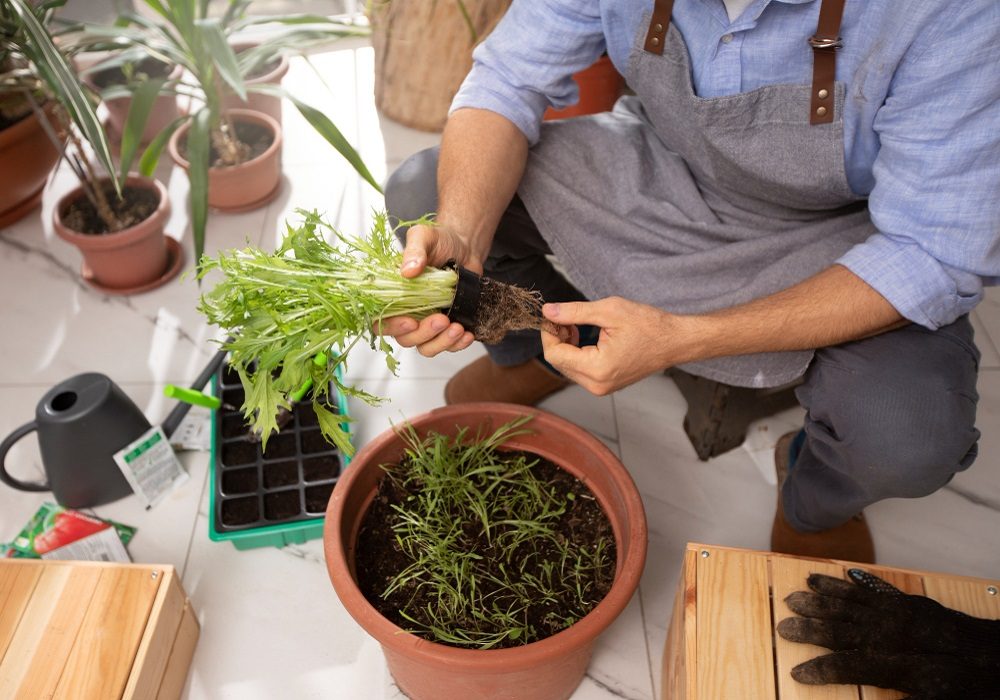
Gardening at home is a fulfilling hobby that brings beauty, fresh produce, and a sense of calm to your daily life. However, many people hesitate to start because they believe it can be expensive or complicated. The truth is, with the right approach, home gardening can be easy, affordable, and highly rewarding.
In this article, we’ll explore simple and smart tips for gardening at home, especially if you’re working with a tight budget. Whether you have a large backyard, a small balcony, or just a few pots by the window, these tips will help you grow your own green haven without breaking the bank.
1. Start Small and Expand Gradually
One of the most practical tips for gardening at home is to start small. You don’t need a huge space or dozens of plants to begin. Choose a few easy-to-grow plants like basil, mint, tomatoes, or marigolds, and focus on learning how to care for them. As you gain experience and confidence, you can expand your garden naturally.
2. Use Containers You Already Have
Instead of buying expensive pots or planters, reuse items around your house. Old buckets, broken mugs, plastic bottles, or tin cans can be turned into creative containers for your plants. Just make sure they have proper drainage holes to prevent overwatering.
3. Make Your Own Compost
One excellent method of trash reduction and natural soil enrichment is composting. Kitchen scraps like fruit peels, vegetable leftovers, tea bags, and eggshells can be composted at home in a simple bin or pit. Homemade compost reduces the need for costly fertilizers and keeps your garden eco-friendly.
4. Choose Low-Maintenance Plants
Choose low-maintenance plants when gardening on a tight budget. Some great low-maintenance options include aloe vera, snake plant, money plant, and coriander. These plants don’t need constant watering or fertilizing and are perfect for beginners.
5. Save Seeds and Propagate
Another budget-friendly gardening trick is to save seeds from vegetables and fruits you consume daily. For example, you can grow tomatoes, chillies, or lemons from kitchen seeds. You can also propagate plants like mint, basil, or pothos by cutting and replanting stems in water or soil.
6. Use Natural Fertilizers and Pesticides
Make your own natural fertilizers instead of relying on chemical items. For example:
-
Banana peels are rich in potassium.
-
Used tea leaves enrich the soil.
-
Neem oil works as an effective organic pesticide.
These home-based solutions are cost-effective and safe for your family and the environment.
7. Water Wisely
Properly watering your plants is crucial, but it doesn’t require additional water. To minimize evaporation, use water that is left over after washing rice or vegetables, as well as water that is added early in the morning or late at night. Another way to conserve resources is to group plants that require similar amounts of water.
8. Utilize Vertical Space
If you’re short on horizontal space, try vertical gardening. Use shelves, hanging pots, or old racks to grow multiple plants in a small area. This method works great for balconies or small patios and adds an aesthetic touch to your home garden.
9. Learn and Grow with Community Gardening Groups
Join local gardening groups or online communities for tips, seed swaps, and advice. These groups can help you learn from other experienced gardeners and find low-cost resources for your garden.
10. Regular Maintenance is Key
One of the best tips for gardening at home is to stay consistent. Spend a few minutes daily checking your plants for signs of pests, dryness, or disease. Regular pruning, weeding, and cleaning will keep your garden healthy and thriving without extra costs.
Frequently Asked Questions (FAQs)
Q1: What are the easiest plants to grow at home for beginners?
Answer: Some easy plants include mint, coriander, basil, tomatoes, aloe vera, and money plants. They grow quickly, need minimal care, and are ideal for beginners.
Q2: Can I start gardening without spending money on pots and soil?
Answer: Yes! You can reuse containers like bottles or cans and enrich normal soil using homemade compost. Gardening can be very affordable if you use available resources.
Q3: How much sunlight is needed for a home garden?
Answer: Most vegetables and flowering plants need 4–6 hours of sunlight per day. If you don’t have direct sun, consider growing shade-loving plants like ferns or snake plants.
Q4: What if I don’t have space for a garden?
Answer: You can create a container or vertical garden on your balcony, windowsill, or even kitchen shelf. Space should never stop you from enjoying gardening at home.
Q5: How do I control pests without using chemicals?
Answer: Use natural pest control like neem oil spray, garlic water, or chili solution. These are safe, affordable, and effective in keeping your plants healthy.
Final Thoughts
Home gardening doesn’t have to be costly or challenging. Even on a limited budget, you can grow fresh flowers, veggies, or herbs in any area of your home with these easy and clever gardening methods. Start small, stay consistent, and enjoy the countless rewards of your green journey.
