

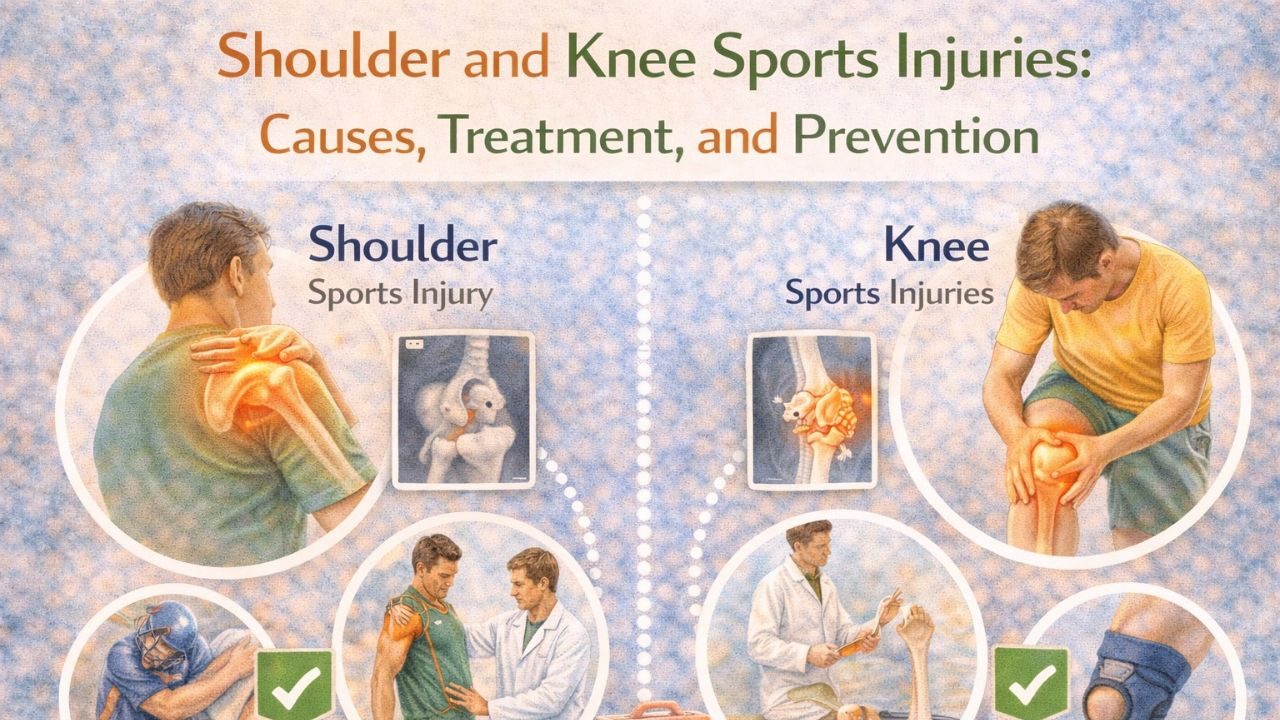
Sports injuries involving the shoulder and knee are among the most common musculoskeletal problems seen in athletes and physically active individuals. From school level sports to professional athletics, repetitive stress, sudden trauma, and improper training techniques can all contribute to joint damage. When left untreated, these injuries may progress into chronic pain, instability, or long term mobility issues. Timely care from the Best Orthopedic Doctor in Lucknow or the Best Sports injury doctor in Lucknow plays a vital role in accurate diagnosis, effective treatment, and safe return to activity.
This comprehensive guide explains the causes, symptoms, treatment options, and prevention strategies for shoulder and knee sports injuries while highlighting modern orthopedic care approaches.
Understanding Sports Injuries of the Shoulder and Knee
The shoulder and knee are complex joints designed for mobility and stability. Because they bear high loads during sports activities, they are particularly vulnerable to injury.
The shoulder is a ball and socket joint that allows a wide range of motion. The knee is a hinge joint that supports body weight and absorbs impact during running, jumping, and sudden direction changes. Sports that involve throwing, overhead movements, sprinting, or contact significantly increase the risk of injury to these joints.
Common Causes of Shoulder Sports Injuries
Overuse and Repetitive Movements
Sports like cricket, tennis, swimming, and badminton involve repetitive overhead actions. Over time, these movements strain the shoulder muscles and tendons, leading to inflammation and micro tears.
Poor Technique and Training Errors
Improper throwing mechanics, inadequate warm ups, or incorrect posture during workouts increase stress on shoulder structures.
Sudden Trauma or Impact
Falls, collisions, or direct blows during sports such as football or basketball can cause dislocations, fractures, or ligament injuries.
Muscle Imbalance and Weakness
Weak shoulder stabilizing muscles can lead to abnormal joint movement and injury during physical activity.
Common Causes of Knee Sports Injuries
High Impact Activities
Running, jumping, and sudden stops place excessive force on the knee joint, increasing the risk of ligament and cartilage damage.
Twisting and Pivoting Movements
Sports like football, basketball, and kabaddi involve rapid changes in direction, often leading to ACL or meniscus injuries.
Poor Conditioning
Weak thigh and hip muscles fail to support the knee properly, increasing injury risk.
Previous Injuries
A previously injured knee is more vulnerable to reinjury if rehabilitation is incomplete.
Most Common Shoulder Sports Injuries
Rotator Cuff Injuries
Tears or inflammation of the rotator cuff tendons cause pain, weakness, and limited arm movement.
Shoulder Impingement Syndrome
Occurs when shoulder tendons are compressed during arm movement, causing pain and stiffness.
Shoulder Dislocation
The upper arm bone slips out of the socket, commonly seen in contact sports.
Labral Tears
Damage to the cartilage rim surrounding the shoulder socket affects joint stability.
Most Common Knee Sports Injuries
Anterior Cruciate Ligament Injury
ACL tears are common in sports requiring sudden stops and turns.
Meniscus Tears
The meniscus cushions the knee joint and can tear during twisting movements.
Patellar Tendinitis
Also known as jumper’s knee, this condition results from repetitive jumping activities.
Cartilage Damage
Loss of cartilage can lead to pain, swelling, and long term joint degeneration.
In advanced cases, untreated knee injuries may eventually require surgical intervention under the care of the Best knee replacement doctor in Lucknow.
Symptoms That Require Immediate Orthopedic Attention
Athletes should seek evaluation from the Best Orthopedic Doctor in Lucknow if they experience:
-
Persistent joint pain or swelling
-
Limited range of motion
-
Joint instability or giving way
-
Locking or clicking sensations
-
Pain that worsens with activity
-
Difficulty bearing weight
Early diagnosis improves recovery outcomes and reduces the risk of permanent joint damage.
Diagnostic Methods for Shoulder and Knee Injuries
Accurate diagnosis is essential for targeted treatment. Orthopedic specialists use:
Clinical Examination
Assessment of joint movement, strength, and stability.
Imaging Studies
X rays, MRI scans, and ultrasound help identify ligament tears, cartilage damage, and bone injuries.
Functional Testing
Evaluates how the joint performs during specific movements or activities.
Treatment Options for Shoulder and Knee Sports Injuries
Non Surgical Treatment Approaches
Rest and Activity Modification
Reducing strain on the injured joint allows healing.
Physiotherapy and Rehabilitation
Customized exercise programs restore strength, flexibility, and stability.
Medications
Anti inflammatory medicines help manage pain and swelling.
Bracing and Support
Protective braces provide stability during recovery.
Many athletes recover fully with conservative care under guidance from the Best Sports injury doctor in Lucknow.
Advanced Orthopedic Treatments
Arthroscopic Surgery
Minimally invasive procedure used to repair ligaments, tendons, or cartilage.
Ligament Reconstruction
Commonly performed for ACL tears to restore knee stability.
Cartilage Repair Procedures
Improve joint function and delay degenerative changes.
Knee Replacement Surgery
In cases of severe joint damage or arthritis following repeated injuries, treatment by the Best knee replacement doctor in Lucknow may be necessary to restore mobility and quality of life.
Recovery and Rehabilitation Process
Successful recovery depends on proper rehabilitation:
-
Gradual return to activity
-
Strengthening supporting muscles
-
Improving balance and coordination
-
Sport specific training
Skipping rehabilitation increases the risk of reinjury and chronic pain.
Preventing Shoulder and Knee Sports Injuries
Proper Warm Up and Cool Down
Prepares muscles and joints for activity and reduces stiffness after exercise.
Strength Training
Focus on shoulder stabilizers, quadriceps, hamstrings, and core muscles.
Flexibility Exercises
Improve joint mobility and reduce muscle tightness.
Correct Technique and Coaching
Proper form reduces unnecessary joint stress.
Use of Protective Gear
Braces and supports can reduce injury risk in high impact sports.
Adequate Rest and Recovery
Overtraining weakens muscles and increases injury risk.
Role of Orthopedic Specialists in Sports Injury Care
Orthopedic doctors play a crucial role in:
-
Early diagnosis of sports injuries
-
Personalized treatment planning
-
Advanced surgical care when needed
-
Long term injury prevention strategies
Consulting the Best Orthopedic Doctor in Lucknow ensures evidence based care, advanced treatment options, and a safer return to sports.
Long Term Impact of Untreated Sports Injuries
Ignoring shoulder and knee injuries can lead to:
-
Chronic joint pain
-
Reduced athletic performance
-
Early onset arthritis
-
Permanent joint instability
Timely orthopedic intervention prevents long term complications and supports active lifestyles.
Conclusion
Shoulder and knee sports injuries are common but manageable with early diagnosis, proper treatment, and preventive care. From overuse injuries to traumatic ligament tears, modern orthopedic treatments offer effective solutions tailored to individual needs. Consulting the Best Sports injury doctor in Lucknow or the Best knee replacement doctor in Lucknow ensures comprehensive care that prioritizes joint health, recovery, and long term mobility. With the right guidance, athletes can return to their sport safely and confidently while minimizing future injury risks.
