

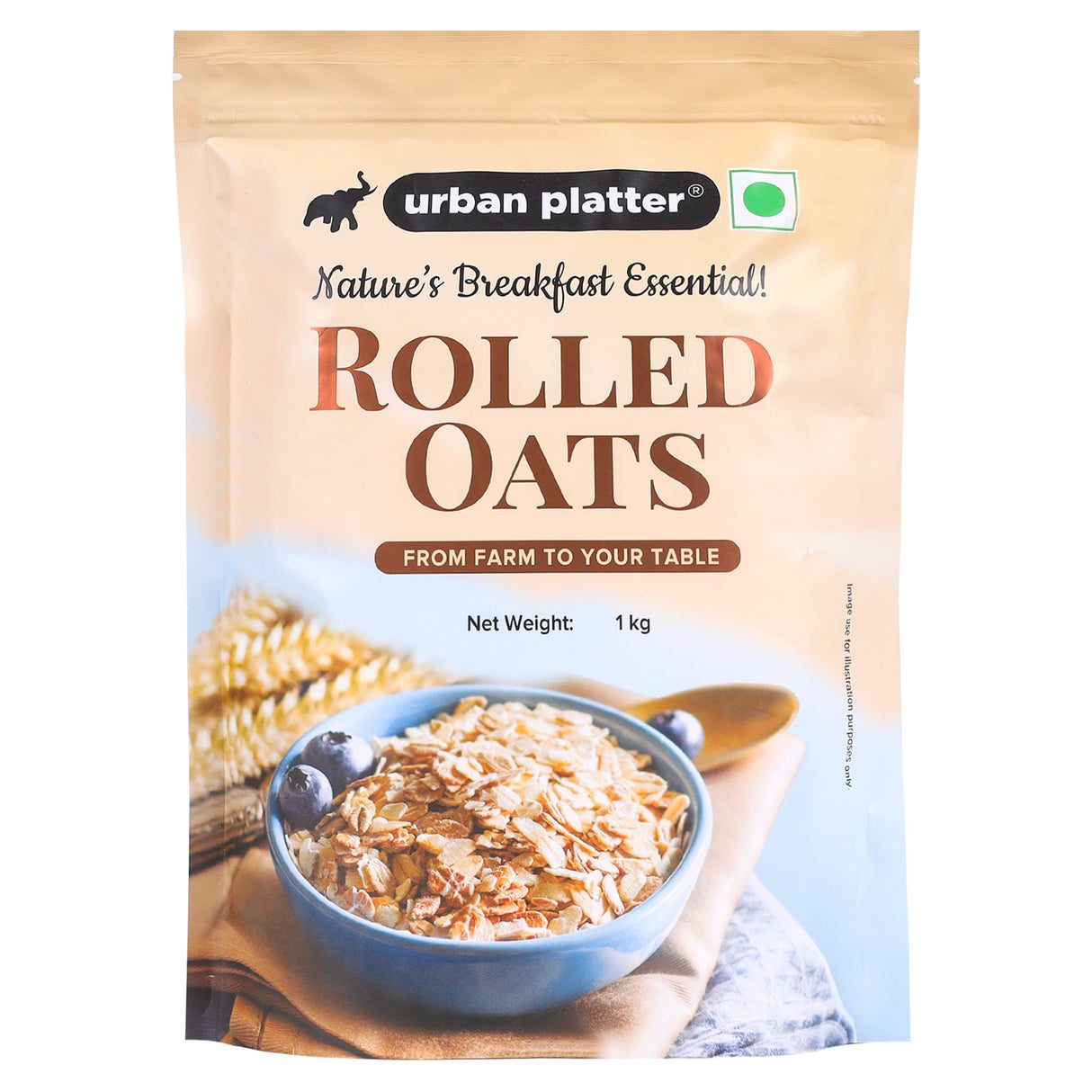
Managing diabetes doesn’t mean giving up tasty food or sticking to boring meals. In fact, making smarter food choices can help keep blood sugar levels steady while still enjoying your everyday meals. One food that often comes up in diabetes-friendly diets is Rolled Oats—and for good reason. Affordable, versatile, and packed with nutrition, rolled oats can be a powerful addition to a balanced diabetic meal plan.
Let’s explore how rolled oats work, why they’re beneficial for people with diabetes, and how to enjoy them the right way without causing blood sugar spikes.
What Are Rolled Oats?
Rolled oats are whole oat grains that have been steamed and flattened into flakes. This process helps them cook faster while retaining most of their nutrients. Unlike instant oats, rolled oats are less processed, which means they digest more slowly—an important factor for blood sugar control.
Because they sit between steel-cut oats and quick oats in terms of processing, rolled oats offer the best of both worlds: convenience and sustained energy.
Why Blood Sugar Control Matters in Diabetes
For people with diabetes, keeping blood glucose levels stable is crucial. Sudden spikes or drops can lead to fatigue, cravings, and long-term health complications. Foods that digest slowly and release glucose gradually are especially helpful—and this is where rolled oats shine.
How Rolled Oats Help Control Blood Sugar Levels
1. Rich in Soluble Fiber (Beta-Glucan)
Rolled oats are loaded with soluble fiber, especially beta-glucan. This fiber forms a gel-like substance in the gut, slowing digestion and glucose absorption. As a result, sugar enters the bloodstream gradually instead of causing sharp spikes.
This steady release of energy helps improve insulin sensitivity and keeps you feeling full for longer—both essential for diabetes management.
2. Low Glycemic Index When Cooked Right
When prepared properly, rolled oats have a moderate glycemic index (GI), making them safer for blood sugar levels than many refined breakfast foods. Pairing rolled oats with protein or healthy fats—like nuts or seeds—can further lower their impact on blood glucose.
3. Improves Satiety and Reduces Cravings
Feeling full longer means fewer cravings for sugary snacks. Rolled oats help reduce unnecessary snacking, which plays a big role in maintaining consistent blood sugar levels throughout the day.
4. Supports Gut Health
A healthy gut contributes to better glucose metabolism. The fiber in rolled oats feeds good gut bacteria, improving digestion and nutrient absorption. Many people with diabetes also focus on digestive wellness, which is why natural digestive aids and products like buy mukhwas blends are often included in balanced diets.
Best Ways to Eat Rolled Oats for Diabetes
Not all oat preparations are created equal. Here’s how to enjoy rolled oats without raising blood sugar levels:
• Choose Plain Rolled Oats
Avoid flavored or sweetened oat packets. Always opt for plain rolled oats with no added sugar.
• Cook with Water or Unsweetened Milk
Use water or unsweetened almond milk instead of sweetened dairy to keep carbs in check.
• Add Protein & Healthy Fats
Top your oats with nuts, seeds, or Greek yogurt to slow digestion and stabilize blood sugar.
• Watch Portion Sizes
Even healthy foods need portion control. A standard serving of rolled oats is usually enough to provide energy without overload.
Rolled Oats vs Other Breakfast Options for Diabetics
Compared to white bread, sugary cereals, or refined flour products, rolled oats are far superior for diabetes management. They provide steady energy, reduce hunger, and support overall metabolic health.
While no single food can “control” diabetes on its own, rolled oats can definitely make daily blood sugar management easier when included as part of a balanced lifestyle.
Can Rolled Oats Be Eaten Daily by People with Diabetes?
Yes, rolled oats can be enjoyed daily—if prepared mindfully. Consistency, portion size, and smart toppings are the key. Many nutritionists recommend oats as a reliable breakfast option for diabetics because they’re filling, affordable, and adaptable to different taste preferences.
A Balanced Approach Is Always Best
While rolled oats offer many benefits, managing diabetes requires an overall balanced approach—regular meals, physical activity, hydration, and digestive support. That’s why many people also look for natural digestive aids and choose to buy mukhwas blends that support digestion after meals, helping maintain overall gut comfort.
Final Thoughts
Rolled Oats are more than just a breakfast staple—they’re a smart, diabetes-friendly food that supports steady blood sugar levels, improves digestion, and keeps you satisfied for hours. When prepared the right way and eaten in moderation, rolled oats can easily become a dependable part of a diabetic-friendly diet.
If you’re looking to manage blood sugar naturally without sacrificing taste, rolled oats are a simple yet powerful place to start.
