

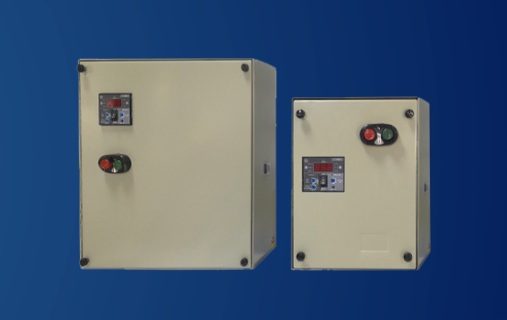
In today’s interconnected world, electrical equipment is the backbone of both industrial and residential operations. However, these systems face a constant threat—power surges. While often underestimated, even small voltage spikes can degrade components, interrupt productivity, and shorten the lifespan of machinery. This is where specialized devices like a surge suppressor for contactor step in, ensuring uninterrupted operation and safeguarding investments.
Understanding the Basics of Surge Protection
A power surge is a sudden and temporary increase in voltage, often caused by lightning strikes, utility switching, short circuits, or equipment malfunctions. While large surges are catastrophic, smaller, repetitive surges—often called transients—are equally damaging over time. Sensitive electronics, control circuits, and mechanical relays are particularly vulnerable.
Surge protection devices (SPDs) are designed to detect excess voltage and divert it safely to the ground before it reaches critical equipment. Within industrial systems, contactors—electromagnetic switches used for controlling electric motors and other high-load devices—are crucial components that require this protection.
What Is a Surge Suppressor for Contactor?
A surge suppressor for contactor is a device specifically designed to protect the coil and control circuits of a contactor from transient overvoltages. Contactors operate using an electromagnetic coil to open or close power circuits, but sudden surges can cause coil overheating, insulation breakdown, or premature failure.
These surge suppressors are typically installed directly across the contactor coil terminals. When a voltage spike occurs, the suppressor absorbs or diverts the excess energy, preventing it from damaging the coil or associated electronics.
Key Functions:
Absorbs Voltage Spikes – Reduces harmful overvoltages to safe levels.
Prevents Coil Damage – Extends the operational life of the contactor.
Minimizes Electrical Noise – Reduces interference in sensitive control circuits.
Improves System Reliability – Reduces downtime due to equipment failure.
Why Surge Protection Is Crucial for Contactors
Contactor coils are often part of complex control systems in industrial automation, HVAC units, manufacturing equipment, and heavy machinery. When a surge passes through:
Mechanical wear increases due to overheating.
Control systems may malfunction or shut down.
Downtime costs escalate due to unplanned repairs.
In high-production environments, even a few minutes of downtime can mean significant financial losses. Installing a surge suppressor for contactor is a relatively small investment that yields massive long-term savings.
Types of Surge Suppressors for Contactors
Surge suppressors come in several designs depending on the type of contactor and the operating voltage. While not to be confused with general SPDs used for building-wide protection, these contactor-specific suppressors have targeted applications.
Common types include:
RC Snubber Circuits – Resistor-capacitor combinations that absorb spikes and reduce electrical noise.
Metal Oxide Varistors (MOVs) – React quickly to voltage spikes and divert excess energy.
Diode Suppressors – Primarily used for DC contactor coils to prevent reverse voltage damage.
The choice of suppressor depends on the type of coil (AC or DC), the operating voltage, and the nature of the connected load.
Factors to Consider When Choosing a Surge Suppressor for Contactor
Selecting the right device is critical for ensuring both safety and efficiency. Some factors to evaluate include:
Voltage Rating – The suppressor should match or slightly exceed the operating voltage of the coil.
Response Time – Faster response ensures better protection against sudden surges.
Energy Absorption – Measured in joules; higher ratings mean the device can handle larger surges.
Mounting and Compatibility – Some designs fit directly into contactor terminals, while others require external mounting.
Durability – Industrial environments demand components that can withstand temperature fluctuations, dust, and vibrations.
The Role of Best Smart Surge Protectors in Modern Systems
While surge suppressors for contactors address localized protection, a layered defense strategy often includes broader solutions like the best smart surge protector. These devices combine traditional surge protection with smart monitoring capabilities, giving users real-time insights into power quality and device performance.
Advantages of using the best smart surge protector include:
Remote Monitoring – Track voltage levels and surge events through mobile apps or centralized control systems.
Automated Alerts – Receive instant notifications of power anomalies.
Data Logging – Analyze historical surge events to identify recurring issues.
Energy Management – Optimize energy usage for connected equipment.
In an industrial setting, combining a smart surge protector for overall system defense with contactor-specific suppressors ensures that both macro and micro-level threats are addressed.

Installation and Maintenance Best Practices
To maximize the performance of a surge suppressor for contactor, proper installation is essential:
Follow Manufacturer Guidelines – Incorrect installation can reduce protection efficiency.
Ensure Correct Polarity – Particularly important for DC coil suppressors.
Minimize Lead Length – Shorter leads mean faster response and less voltage drop.
Test Regularly – Periodic checks ensure the suppressor is still functioning correctly.
Replace When Necessary – Suppressors degrade over time and should be replaced after repeated surge events.
For the best smart surge protector, setup usually involves connecting the device to a network for monitoring. Routine firmware updates keep the device functioning optimally.
Real-World Applications
Industrial Automation – Protects programmable logic controllers (PLCs) and motor starters from transient damage.
HVAC Systems – Ensures reliable operation of compressors and fans.
Manufacturing Lines – Prevents costly downtime by safeguarding control circuits.
Pumping Stations – Extends the lifespan of motors and relay systems.
Future Trends in Surge Suppression Technology
The next generation of surge suppressors is focusing on smarter integration and predictive analytics. Expect to see:
AI-Enhanced Predictive Maintenance – Devices that predict suppressor wear and suggest replacements before failure.
Integrated Diagnostics – Built-in health monitoring for contactors and suppressors.
Higher Energy Capacity – Ability to handle more severe surge conditions.
These advancements will make surge suppression not just a passive safety measure, but an active component of intelligent electrical systems.
Conclusion
Electrical surges are inevitable, but equipment damage is not. A surge suppressor for contactor provides targeted protection, ensuring that sensitive control components operate without interruption. When paired with the best smart surge protector for broader system defense, you create a robust multi-layer protection strategy that minimizes downtime, extends equipment life, and enhances operational efficiency.
For businesses and industries that prioritize electrical safety and performance, partnering with an expert in electrical and automation solutions is the smartest move. Lauritz Knudsen Electrical and Automation offers high-quality surge protection solutions tailored to both industrial and commercial applications, ensuring that your systems remain safe, efficient, and future-ready.
