

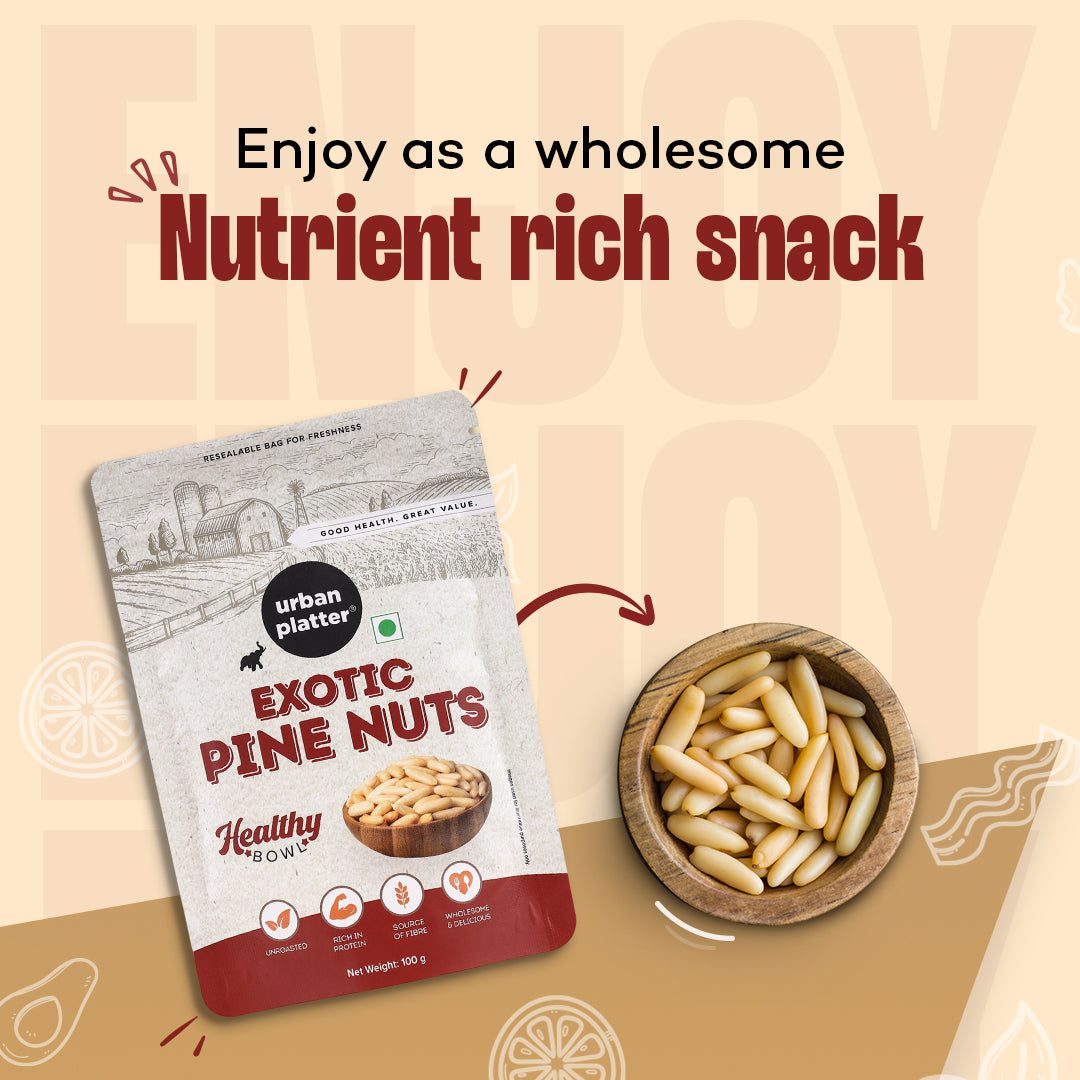
Managing blood sugar levels is a daily priority for people living with diabetes. While carbohydrates often get most of the attention, fats, protein, and micronutrients also play an important role in glucose control. Among nutrient-dense foods, exotic pine nuts stand out as a lesser-known option that may offer benefits for blood sugar management when consumed wisely. This article explores how pine nuts affect blood sugar, their nutritional profile, potential benefits for diabetics, and how to include them safely in a diabetes-friendly diet.
Understanding Pine Nuts: A Nutritional Snapshot
Pine nuts are edible seeds harvested from pine cones, commonly used in Mediterranean and Asian cuisines. Despite their small size, they are packed with nutrients:
- Healthy fats: Mostly monounsaturated and polyunsaturated fats
- Protein: Supports satiety and muscle health
- Dietary fiber: Helps slow glucose absorption
- Micronutrients: Magnesium, zinc, iron, and vitamin E
What makes pine nuts particularly interesting for diabetics is their low glycaemic load. Since they contain minimal carbohydrates and are rich in fats and protein, they do not cause rapid blood sugar spikes when eaten in moderation.
Do Pine Nuts Raise Blood Sugar?
The short answer is no — when eaten in appropriate portions. Pine nuts have a low carbohydrate content, meaning they have a limited direct impact on blood glucose levels. Instead of causing sharp rises in blood sugar, they contribute to a more gradual release of energy.
For people with diabetes, this is important because foods that digest slowly help prevent post-meal glucose spikes. Pine nuts’ combination of healthy fats, protein, and fiber works together to slow digestion and improve glycaemic response.
Key Benefits of Pine Nuts for Blood Sugar Control
1. Improved Insulin Sensitivity
Pine nuts are a good source of magnesium, a mineral known to support insulin function. Research suggests that adequate magnesium intake may improve insulin sensitivity, helping the body use glucose more efficiently.
2. Supports Satiety and Weight Management
Weight management plays a crucial role in diabetes control. Pine nuts contain pinolenic acid, a unique fatty acid that may promote the release of satiety hormones such as GLP-1 and CCK. Feeling full for longer can reduce overeating and frequent snacking, which helps stabilise blood sugar levels.
3. Heart-Healthy Fats
People with diabetes are at higher risk of cardiovascular issues. The monounsaturated fats in pine nuts support heart health by helping maintain healthy cholesterol levels, indirectly supporting metabolic health.
4. Low Glycaemic Impact
Unlike refined carbohydrates, pine nuts do not rapidly convert to glucose in the bloodstream. This makes them a suitable addition to low-glycaemic or diabetes-friendly diets.
Portion Control: The Golden Rule for Diabetics
Although pine nuts are nutritious, they are also calorie-dense. Overconsumption can lead to excess calorie intake, which may affect weight and insulin sensitivity.
Recommended portion size:
- About 1 tablespoon (15–20 grams) per serving
This amount provides nutritional benefits without overwhelming your daily calorie or fat intake.
Best Ways for Diabetics to Eat Pine Nuts
1. Add to Salads
Sprinkle a small amount of pine nuts over leafy green salads with non-starchy vegetables. Pair them with olive oil and lemon dressing for a balanced, blood sugar-friendly meal.
2. Use in Vegetable Dishes
Add pine nuts to sautéed or roasted vegetables like spinach, zucchini, or broccoli to enhance texture and nutrition without increasing carb load.
3. Blend into Sauces (Without Sugar)
Pine nuts can be blended into homemade pesto or creamy sauces using herbs, olive oil, and garlic — avoid adding sugar or refined ingredients.
4. Pair with Protein
Combining pine nuts with protein sources such as tofu, paneer, or grilled legumes can further reduce blood sugar fluctuations after meals.
Pine Nuts vs Other Nuts for Diabetics
Compared to common nuts like cashews or peanuts, pine nuts generally contain fewer carbohydrates and more beneficial fats. While almonds and walnuts are also excellent choices, pine nuts add variety and unique fatty acids that can support satiety and metabolic health.
That said, diversity is key. Rotating between different nuts ensures a wider range of nutrients without over-relying on a single food.
Precautions and Who Should Be Careful
- Allergies: Pine nut allergies, though rare, do exist
- Calorie awareness: Excess intake may contribute to weight gain
- Digestive sensitivity: Some people may experience mild digestive discomfort if consumed in large amounts
If you have specific medical concerns or advanced diabetes complications, consult a healthcare professional before making significant dietary changes.
Can Pine Nuts Fit into a Diabetic Meal Plan?
Yes, pine nuts can be a smart, diabetes-friendly addition when eaten in moderation. Their low carbohydrate content, healthy fats, and supportive micronutrients make them suitable for blood sugar control, satiety, and overall metabolic health.
They are not a treatment or cure for diabetes, but as part of a balanced diet rich in vegetables, lean protein, and whole foods, pine nuts can contribute positively to daily nutrition.
Final Thoughts
Pine nuts offer more than just a rich, buttery flavour — they deliver nutritional benefits that align well with diabetic dietary needs. With their low glycaemic impact, heart-healthy fats, and role in satiety, they can help support stable blood sugar levels when used thoughtfully.
The key lies in portion control and balanced pairing. When enjoyed in small amounts alongside fibre-rich vegetables and protein, pine nuts can be both a delicious and functional food choice for people managing diabetes.
As always, consistency and mindful eating matter more than any single ingredient. Pine nuts can be part of the journey — one healthy handful at a time.
