

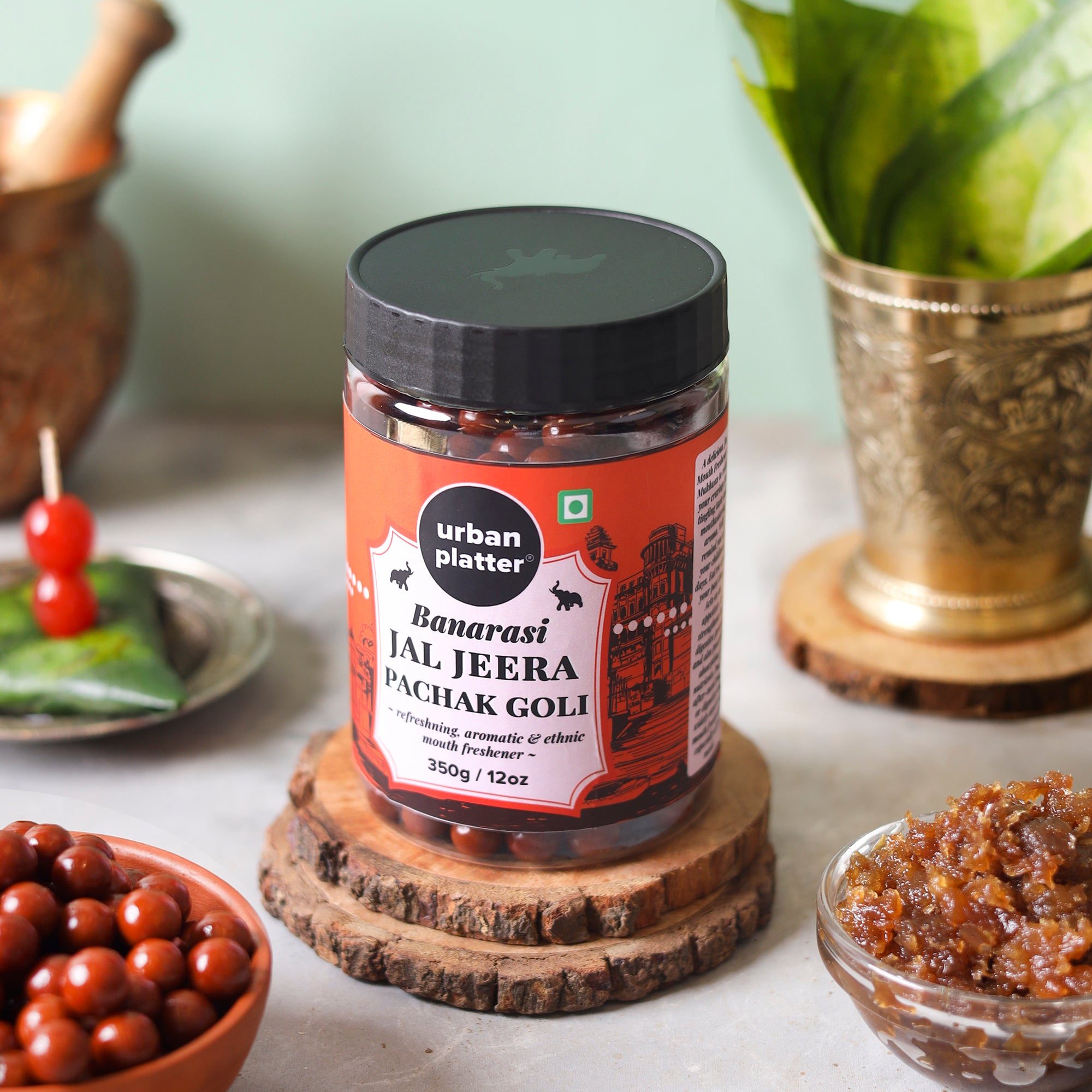
After a satisfying meal, many of us instinctively look for something small to finish on a fresh, comforting note. In India, that role is lovingly played by mukhwas—a colorful, aromatic mix of seeds, herbs, and spices enjoyed after meals for freshness and digestion. But here’s something interesting: the idea behind mukhwas isn’t unique to India at all. Cultures across the world have their own versions of after-meal mixtures, each shaped by local ingredients, traditions, and tastes.
Let’s take a flavorful journey around the world and discover how different cultures wrap up their meals—often in ways surprisingly similar to mukhwas.
What Makes Mukhwas Special?
Before we travel globally, it’s worth understanding why mukhwas holds such a special place in Indian food culture. Traditionally made using fennel seeds, sesame seeds, coriander seeds, dried herbs, and sometimes natural sweeteners, mukhwas is known for its refreshing taste and digestive properties. It’s commonly served after meals in homes, restaurants, and during celebrations.
Mukhwas isn’t just about flavor—it’s about balance. The ingredients are chosen to soothe the stomach, freshen the breath, and gently signal the end of a meal. This same idea of balance and closure is reflected in many cuisines worldwide.
Italy: Espresso & Digestifs
In Italy, the meal rarely ends without a strong espresso or a small glass of digestif like limoncello, amaro, or grappa. While these aren’t seed-based like mukhwas, the purpose is similar—to aid digestion and cleanse the palate.
Digestifs often contain herbs, citrus peels, or spices steeped in alcohol, believed to stimulate digestion after a rich meal. Just like mukhwas, they are enjoyed slowly, signaling the end of dining and the beginning of relaxation.
Middle East: Dates, Coffee & Seeds
Across Middle Eastern countries, meals often conclude with Arabic coffee flavored with cardamom, sometimes accompanied by dates or roasted seeds. In some regions, fennel or anise seeds are chewed after meals—very close cousins to Indian mukhwas.
The use of aromatic spices for freshness and digestion creates a strong connection between mukhwas and Middle Eastern after-meal customs. Both rely on natural ingredients rather than heavy desserts.
Japan: Pickles & Green Tea
In Japan, the concept of palate cleansing comes through lightly pickled vegetables (tsukemono) and warm green tea served after meals. While not sweet or crunchy like mukhwas, these elements help cleanse the mouth and support digestion.
Green tea, rich in antioxidants, offers a gentle finish to meals, much like mukhwas does without overwhelming the stomach.
China: Tea-Based Endings
In Chinese culture, tea plays a central role both during and after meals. Pu-erh tea, in particular, is believed to help break down fats and improve digestion. Served warm and sipped slowly, it provides balance after hearty dishes.
Just as mukhwas uses herbs and seeds, Chinese teas often rely on fermented leaves and botanicals to support digestive comfort.
France: Cheese & Herbal Liqueurs
The French approach to ending meals is indulgent yet thoughtful. Cheese courses are common, followed by herbal liqueurs such as chartreuse or bénédictine. These liqueurs are infused with dozens of herbs and spices—once again echoing the digestive intent of mukhwas.
While mukhwas is lighter, both traditions value herbs as a way to settle the stomach.
South America: Mate & Herbal Infusions
In parts of South America, particularly Argentina and Uruguay, meals are often followed by yerba mate or herbal infusions. These drinks are social, soothing, and believed to help digestion.
Like mukhwas, these traditions emphasize simplicity and ritual rather than sugary desserts.
Why After-Meal Traditions Matter
What connects mukhwas to all these global practices is intention. After-meal rituals are less about hunger and more about harmony—giving the body time to adjust, refresh, and relax.
Mukhwas stands out because it combines freshness, crunch, aroma, and tradition in one small serving. It doesn’t require preparation, brewing, or waiting. A pinch is enough to feel refreshed and satisfied.
Modern Mukhwas: Tradition Meets Today
Today, mukhwas has evolved beyond traditional recipes. You’ll find seed-only mixes, and flavored varieties designed for modern preferences. Yet the essence remains the same—natural ingredients, mindful eating, and a satisfying finish to meals.
As people around the world rediscover mindful dining and digestive wellness, mukhwas fits right into global food conversations.
A World United by Small Bites
Whether it’s fennel seeds in India, espresso in Italy, tea in China, or herbal liqueurs in France, cultures everywhere understand the importance of how a meal ends. Mukhwas proudly represents India in this global family of after-meal traditions, offering a simple yet powerful reminder that sometimes, the smallest bite makes the biggest difference.
So next time you enjoy mukhwas after a meal, remember—you’re part of a worldwide ritual of balance, comfort, and mindful eating.
