

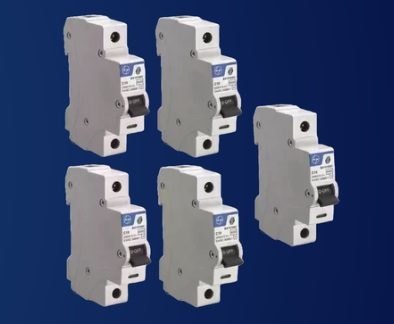
In modern industrial and commercial setups, electric motors are among the most critical components, powering machinery, HVAC systems, pumps, and countless other devices. Ensuring their reliable operation is essential, not only to maintain productivity but also to prevent costly downtime and potential hazards. One of the most effective ways to safeguard motors is through motor thermal overload protection. By integrating overload protection relays into motor control circuits, businesses can protect equipment, enhance efficiency, and extend the lifespan of motors. Understanding how these systems work and their benefits is crucial for engineers, electricians, and facility managers.

What Is Motor Thermal Overload Protection?
Motor thermal overload protection is a safety mechanism designed to prevent motors from overheating and sustaining damage due to excessive current. Electric motors generate heat as they operate, and under normal conditions, this heat is within safe limits. However, abnormal conditions such as overloading, locked rotor scenarios, phase imbalance, or voltage fluctuations can cause motors to overheat rapidly.
Thermal overload protection systems continuously monitor the motor’s current and temperature. If the motor exceeds its safe operating limits, the system interrupts the electrical supply to prevent further damage. This proactive protection helps avoid costly repairs, unplanned downtime, and even potential fire hazards.
The Role of Overload Protection Relays
At the heart of thermal protection are overload protection relays. These devices are specifically engineered to detect excessive current and respond appropriately by opening the motor circuit. Unlike fuses, which operate only once and require replacement, overload relays can reset after tripping, either manually or automatically, depending on the design.
Overload protection relays function based on thermal or electronic principles:
- Thermal Overload Relays: These relays use a bimetallic strip that bends when heated by excessive current. The bending action triggers a mechanism that opens the motor circuit. Thermal relays provide simple and reliable protection and are widely used in industrial applications.
- Electronic Overload Relays: Utilizing solid-state sensors and microprocessors, these relays offer precise current monitoring and fast response times. Electronic relays can also provide diagnostic features, such as logging trips and alerting maintenance personnel, which improves overall system management.
By integrating these relays, industries can ensure that motors operate within safe limits, safeguarding equipment and personnel.
How Motor Thermal Overload Protection Works
The working principle of motor thermal overload protection is straightforward yet highly effective. The system continuously monitors the motor’s current and temperature. Under normal operating conditions, the current drawn by the motor remains within acceptable limits.
When the motor is overloaded or experiences abnormal conditions, the current rises, generating additional heat. In a thermal relay, this heat causes a bimetallic strip to bend and trigger the contactor to open, cutting off power to the motor. In electronic relays, sensors detect the increased current or temperature, sending a signal to the control system to interrupt the circuit.
Once the motor cools down or the fault is cleared, the relay can be reset, allowing normal operation to resume. This automatic or semi-automatic intervention ensures that motors are protected without the need for constant human supervision.
Key Benefits of Motor Thermal Overload Protection
The integration of motor thermal overload protection offers multiple advantages for industrial and commercial operations:
- Enhanced Motor Safety
By continuously monitoring current and temperature, thermal overload protection prevents motors from operating under dangerous conditions. This significantly reduces the risk of motor burnouts, short circuits, and equipment failures.
- Reduced Downtime
Unexpected motor failures can cause major production delays. Overload protection relays act pre-emptively, minimizing unplanned downtime and ensuring that operations continue smoothly.
- Cost Savings on Repairs
Repairing or replacing damaged motors can be expensive. By preventing overheating and mechanical stress, thermal overload protection extends the life of motors, saving money on maintenance and replacements.
- Energy Efficiency
Overloaded motors consume more energy, increasing operational costs. With motor thermal overload protection, motors operate within optimal current limits, improving energy efficiency and reducing unnecessary electricity consumption.
- Enhanced Personnel Safety
Overheating motors can pose serious hazards, including fire risks. Implementing thermal protection ensures that motors shut down safely during fault conditions, reducing the risk of injury to personnel and damage to property.
- Better System Reliability
Reliable motor operation is critical in industries where equipment downtime can disrupt production. Overload protection relays maintain consistent performance, allowing for predictable and stable operation of machinery.
Applications of Motor Thermal Overload Protection
Motor thermal overload protection is widely applicable across various industries and systems. Some common applications include:
- Industrial Manufacturing: Protecting motors in conveyor systems, pumps, compressors, and machinery.
- HVAC Systems: Safeguarding motors driving fans, blowers, and compressors in heating, ventilation, and air conditioning units.
- Water Treatment Plants: Ensuring pumps and motors operate efficiently without overheating.
- Renewable Energy Systems: Protecting wind turbines and solar-powered motor-driven equipment.
- Commercial Buildings: Maintaining operational reliability in elevators, escalators, and building automation systems.
In each of these scenarios, overload protection relays ensure that motors are not exposed to damaging conditions, promoting safety and operational efficiency.
Choosing the Right Overload Protection Relay
Selecting an appropriate overload protection relay is critical for effective motor thermal protection. Consider the following factors:
- Motor Rating: Ensure the relay is suitable for the motor’s voltage and current specifications.
- Type of Relay: Decide between thermal and electronic relays based on the application’s precision and monitoring requirements.
- Operating Environment: Consider ambient temperature, humidity, and dust levels to ensure reliable operation.
- Reset Mechanism: Choose between manual or automatic reset relays depending on operational convenience and safety considerations.
- Brand and Certification: Opt for reputable brands that comply with international electrical standards for quality and safety.
Proper selection ensures that motor thermal overload protection functions effectively, maintaining motor performance and system safety.

Maintenance Tips for Effective Motor Protection
Regular maintenance is essential to ensure that motor thermal overload protection systems perform optimally. Some key practices include:
- Periodic Inspection: Check relays for signs of wear, corrosion, or damage.
- Calibration: Ensure relays are calibrated according to motor specifications to prevent false trips or insufficient protection.
- Clean Contacts: Remove dust and debris from relay contacts to maintain proper electrical conductivity.
- Test Functionality: Conduct routine tests to verify that the relay trips accurately under simulated overload conditions.
- Monitor Operating Conditions: Keep track of motor loads and temperature to detect potential issues early.
Implementing these maintenance practices ensures consistent protection, reduces downtime, and prolongs motor life.
Future Trends in Motor Protection
As industries move toward automation and smart monitoring, motor thermal overload protection is evolving to include advanced features such as IoT connectivity, real-time monitoring, and predictive maintenance. Modern overload protection relays can communicate with centralized control systems, providing alerts and performance data that help operators make proactive decisions.
Smart protection systems not only enhance motor safety but also optimize energy usage, reduce operational costs, and improve overall system reliability. This integration of technology represents the next step in efficient and safe motor management.
Conclusion
Motor thermal overload protection is essential for ensuring the safe, reliable, and efficient operation of electric motors across industrial, commercial, and residential applications. By integrating overload protection relays into motor circuits, organizations can prevent equipment damage, reduce downtime, and enhance energy efficiency, while safeguarding personnel and property.
Lauritz Knudsen Electrical and Automation provides advanced motor protection solutions, including high-quality overload protection relays and thermal protection systems. With their commitment to safety, performance, and innovation, the company ensures that motors operate reliably and efficiently, supporting businesses in achieving operational excellence.
