

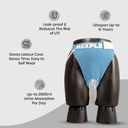
A Urine Catheter plays a crucial role in modern healthcare by supporting safe and efficient bladder management for patients who are unable to urinate naturally. Used widely in hospitals, clinics, and home-care settings, medical-grade urine catheters are designed to provide comfort, hygiene, and reliability while reducing the risk of complications. When chosen correctly and used under medical guidance, a urine catheter can significantly improve a patient’s quality of life and overall care experience.
Understanding the Role of a Urine Catheter
A urine catheter is a medical device used to drain urine from the bladder when normal urination is not possible or advisable. This may be required due to surgery, injury, neurological conditions, urinary retention, or chronic illnesses. In such situations, a urine catheter ensures continuous and controlled urine flow, helping prevent bladder overdistension and related complications.
Medical-grade urine catheters are manufactured under strict quality standards to ensure safety, sterility, and patient comfort. Their primary purpose is to support effective bladder management while minimizing discomfort and infection risks.
Importance of Medical-Grade Quality
Not all urine catheters are the same. Medical-grade urine catheters are specifically designed for clinical and long-term use. They are made from biocompatible materials that reduce irritation and are safe for contact with the body.
High-quality urine catheters are sterile, smooth-surfaced, and carefully tested to ensure consistent performance. These features are essential for maintaining hygiene and preventing complications such as urinary tract infections (UTIs), which are a common concern in catheterized patients.
Designed for Patient Comfort
Patient comfort is a key consideration in the design of a medical-grade urine catheter. Smooth edges, flexible tubing, and soft materials help reduce discomfort during use. A well-designed urine catheter allows for proper urine drainage without causing unnecessary pressure or irritation.
Comfort is especially important for patients who require catheterization for extended periods. A comfortable urine catheter encourages better tolerance, reduces stress, and supports overall patient well-being during recovery or long-term care.
Supporting Efficient Bladder Management
Efficient bladder management is essential in both acute and long-term medical conditions. A urine catheter helps healthcare providers monitor urine output accurately, which is an important indicator of kidney function, hydration levels, and overall health status.
In post-surgical care, a urine catheter allows the bladder to rest while ensuring urine is safely drained. In chronic conditions, it supports consistent bladder emptying, reducing the risk of retention and discomfort.
Common Medical Situations Requiring a Urine Catheter
A urine catheter may be recommended in various medical scenarios, including:
-
Post-surgery recovery, especially after abdominal or pelvic procedures
-
Acute urinary retention or bladder obstruction
-
Neurological conditions affecting bladder control
-
Severe illness requiring close monitoring of urine output
-
Limited mobility or bedridden patients
In each case, the use of a medical-grade urine catheter helps ensure safe and effective urinary management under professional supervision.
Hygiene and Infection Prevention
Maintaining hygiene is one of the most critical aspects of urine catheter use. Medical-grade urine catheters are designed to reduce infection risks through sterile packaging and smooth, non-reactive materials.
Healthcare professionals emphasize proper handling and regular monitoring to ensure cleanliness. Using a high-quality urine catheter as prescribed helps lower the chances of infection and promotes safer patient outcomes.
Suitable for Hospital and Home Care
While urine catheters are commonly associated with hospitals, they are also widely used in home-care environments under medical advice. For patients with chronic conditions or limited mobility, a urine catheter can make daily care more manageable for both patients and caregivers.
Medical-grade urine catheters used in home settings are designed for ease of use, reliability, and comfort, ensuring that patients receive consistent care outside of clinical facilities.
Durability and Reliability in Daily Use
A dependable urine catheter must perform consistently without leakage or blockage. Medical-grade urine catheters are tested for durability to ensure uninterrupted urine flow and structural integrity during use.
Reliability is particularly important in long-term care situations, where patients depend on the catheter for daily bladder management. A well-manufactured urine catheter provides peace of mind to both patients and caregivers.
Psychological and Emotional Benefits
Beyond physical support, a urine catheter can offer emotional relief to patients struggling with bladder control. Managing urinary issues effectively reduces embarrassment, anxiety, and discomfort, allowing patients to focus on recovery and daily activities.
When patients feel secure and comfortable using a urine catheter, it positively impacts their mental well-being and confidence, especially in long-term or elderly care situations.
Choosing the Right Urine Catheter
Selecting the appropriate urine catheter should always be done under medical guidance. Factors such as patient condition, duration of use, and comfort requirements play an important role in decision-making.
Medical-grade urine catheters are available in different types and sizes to suit individual needs. Proper selection ensures optimal performance, safety, and patient comfort.
Conclusion
The Medical-Grade Urine Catheter for Efficient Bladder Management and Patient Comfort is an essential healthcare solution for patients requiring assisted urinary drainage. Designed with a focus on safety, hygiene, and comfort, a high-quality urine catheter supports effective bladder management in both hospital and home-care settings.
By ensuring reliable performance, reducing infection risks, and enhancing patient comfort, medical-grade urine catheters play a vital role in modern medical care. When used responsibly and under professional supervision, a urine catheter contributes significantly to better health outcomes and improved quality of life for patients in need.
