

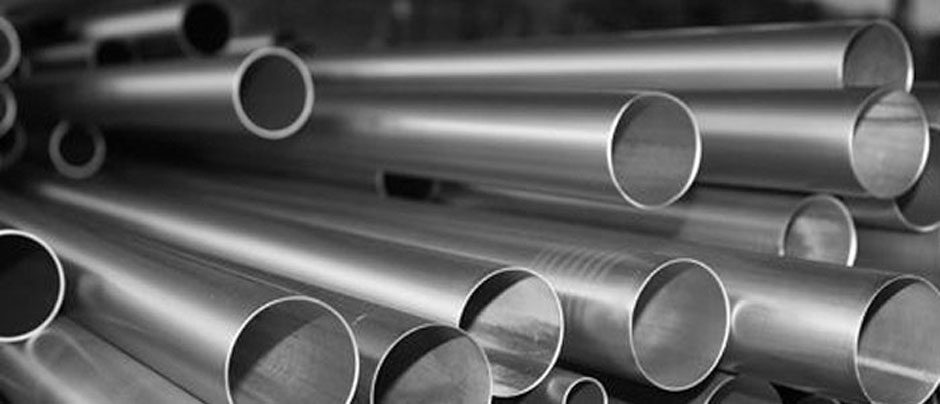
Carbon steel tubes are widely used in various industries, from oil and gas to construction, due to their strength and cost-effectiveness. However, like all materials, carbon steel is susceptible to wear and corrosion over time. Regular maintenance and proper care are essential to ensure these tubes remain durable and functional throughout their service life. Here are some essential maintenance tips to help extend the life of carbon steel tubes.
1. Regular Inspection
Regularly inspecting carbon steel tubes is crucial to detecting any signs of wear or damage early. This can prevent more serious issues that could lead to failures, leaks, or even accidents. Some key areas to inspect include:
- Surface Condition: Look for any signs of rust, pitting, or surface cracks that could indicate early stages of corrosion or mechanical stress.
- Welds and Joints: Inspect welds and joints for signs of stress or cracks, as these are often the weakest points in a tube.
- Corrosion: Keep an eye out for rust, scale buildup, or other forms of corrosion that may have formed due to exposure to moisture or chemicals.
2. Proper Cleaning
Dirt, grime, and chemical deposits can accumulate on the surface of carbon steel tubes, leading to corrosion or decreased efficiency. Regular cleaning helps remove these contaminants and prevent long-term damage. Use the following methods for effective cleaning:
- Pressure Washing: A high-pressure washer can be used to clean the exterior of the tubes, removing dirt and loose rust. Be cautious with the pressure to avoid damaging coatings or seals.
- Chemical Cleaners: In environments with stubborn residue or corrosion, specialized chemical cleaners or descalers can be used. Ensure the cleaner is suitable for carbon steel to avoid further damage.
3. Apply Protective Coatings
One of the most effective ways to protect carbon steel tubes from corrosion is by applying protective coatings. These coatings form a barrier that shields the metal from moisture, chemicals, and other harmful elements. Common types of coatings include:
- Galvanization: Coating carbon steel tubes with zinc can provide excellent protection against rust and corrosion. Zinc corrodes first, acting as a sacrificial layer to protect the underlying steel.
- Epoxy Coatings: Epoxy coatings are often used in harsh environments to protect tubes from chemicals and abrasion. They create a durable, long-lasting protective layer.
- Polyurethane Coatings: Polyurethane provides a smooth, resilient finish and is particularly useful for carbon steel tubes exposed to harsh weather conditions or physical wear.
4. Corrosion Inhibitors
Corrosion inhibitors are chemicals added to the fluids inside the tubes (e.g., oil, gas, or water) to prevent internal corrosion. These inhibitors work by reducing the chemical reactions that cause rust and scale buildup. In industries like oil and gas, where internal corrosion is a significant concern, regular use of corrosion inhibitors is essential.
- Liquid Inhibitors: These can be mixed directly with fluids and are often used in pipelines and tanks.
- Solid Inhibitors: These can be added to systems in the form of tablets or pellets, slowly releasing protective chemicals into the environment.
5. Ensure Proper Storage
When carbon steel tubes are not in use, proper storage is vital to prevent damage. Exposure to humidity, moisture, and corrosive agents can accelerate the degradation of the tubes. Follow these storage tips:
- Indoor Storage: Store tubes indoors, preferably in a dry, temperature-controlled environment. This helps prevent exposure to the elements, which can lead to rust formation.
- Elevated Storage: Keep tubes elevated off the ground to prevent direct contact with moisture or chemicals. Using pallets or racks ensures better air circulation and prevents moisture buildup at the base.
- Covering: If tubes must be stored outdoors, use protective covers or tarps to shield them from rain, snow, and high humidity.
6. Monitor Operating Conditions
In many industrial applications, carbon steel tubes are subject to various stresses, including high temperatures, pressure, and exposure to chemicals. To maximize their lifespan, it’s essential to monitor and maintain operating conditions within acceptable ranges:
- Temperature Control: Carbon steel tubes should not be exposed to temperatures beyond their specified limits, as excessive heat can cause oxidation and weakening of the material. Ensure the system’s temperature is regulated.
- Pressure Management: Overpressurizing tubes can lead to mechanical stress and deformation. Regularly check pressure levels to ensure they are within safe limits for the tube’s grade and size.
7. Use Cathodic Protection
Cathodic protection is a technique used to prevent corrosion on metal surfaces by making the steel the cathode of an electrochemical cell. This method is particularly useful for pipelines and tanks exposed to harsh environments, like those in marine or underground conditions.
- Sacrificial Anodes: These are made from metals like magnesium or zinc, which corrode before the carbon steel, protecting the tubes.
- Impressed Current Systems: This system uses an external power source to provide a continuous flow of electrical current, preventing corrosion on the steel surface.
8. Repair Minor Damage Promptly
Any minor damage, such as small cracks, dents, or corrosion spots, should be repaired as soon as possible to prevent further degradation. Neglecting small issues can lead to larger, more expensive problems down the line. Repair methods include:
- Welding: Minor cracks or damage to the tube can often be repaired by welding, ensuring that the integrity of the tube is restored.
- Sealing and Patching: For small leaks or holes, epoxy-based sealants or patches can temporarily stop further damage until more permanent repairs are made.
9. Consider Material Upgrades
If your carbon steel tubes are regularly exposed to harsh conditions and maintenance efforts are proving insufficient, it may be worth considering an upgrade to a higher-grade material. Some alternatives to carbon steel include:
- Alloyed Carbon Steel: Alloys with additional elements like chromium or molybdenum can improve corrosion resistance and mechanical properties.
- Stainless Steel: Although more expensive, stainless steel offers excellent resistance to corrosion, especially in highly acidic or saltwater environments.
10. Professional Maintenance Services
For highly critical applications, it may be beneficial to engage professional maintenance services that specialize in carbon steel tubes. These services can provide regular inspections, advanced corrosion testing, and more thorough maintenance procedures to ensure the longevity and safety of your tubes.
Conclusion
Maintaining carbon steel tubes is essential to ensure their long-term functionality and prevent costly failures. By conducting regular inspections, applying protective coatings, monitoring operating conditions, and addressing minor damage promptly, you can significantly extend the life of these tubes. With proper care and attention, carbon steel tubes will continue to serve effectively in industries such as oil and gas, construction, and manufacturing for many years to come.
