

For many devotees in Lucknow, the desire to visit Kailash Mansarovar is more than just a travel goal—it is a lifelong spiritual aspiration. Amid the busy streets, temples, and daily responsibilities of the city, the thought of journeying to the sacred abode of Lord Shiva inspires deep devotion. The Kailash Mansarovar Yatra from Lucknow is not merely about reaching a destination; it is about embarking on a path that transforms the mind, body, and soul.
Starting this divine expedition from Lucknow brings a sense of excitement and reverence, as pilgrims prepare to leave behind the familiar comforts of home to seek something far greater—inner peace and spiritual fulfillment.
Beginning the Journey from Lucknow
Pilgrims from Lucknow usually begin their yatra by traveling to Delhi or Kathmandu, depending on the selected route. From there, organized travel arrangements guide them toward Tibet. The journey may involve flights, road travel through mountainous terrain, and, in some cases, helicopter transfers to reduce travel time.
As the journey progresses, the landscape gradually shifts from bustling cities to serene valleys and towering Himalayan ranges. The physical distance traveled feels symbolic of the spiritual distance being covered—moving away from worldly distractions and drawing closer to divine presence.
Each mile brings pilgrims closer to a sacred experience that cannot be replicated elsewhere.
The Sacred Majesty of Mount Kailash
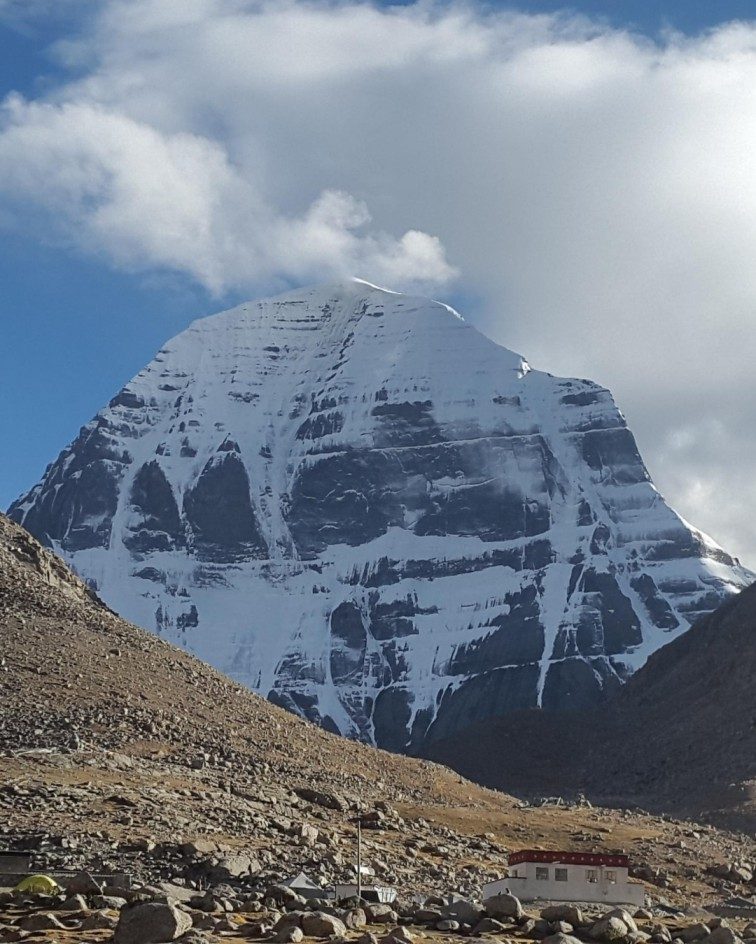
At the heart of the pilgrimage stands Mount Kailash, a majestic peak rising in the remote region of Tibet. Revered in Hinduism as the eternal abode of Lord Shiva and Goddess Parvati, it also holds profound significance in Buddhism, Jainism, and the Bon tradition.
Unlike other famous mountains of the world, Mount Kailash remains unclimbed out of respect for its sanctity. Devotees express their devotion not by conquering it, but by walking around it in the sacred Parikrama. This 52-kilometer circumambulation, completed over three days, is both physically demanding and spiritually elevating.
Crossing high-altitude passes and rugged terrain during the Parikrama tests endurance, but it also deepens faith. Many pilgrims describe this part of the journey as life-changing.
The Tranquility of Lake Mansarovar
Near Mount Kailash lies the serene Lake Mansarovar, one of the highest freshwater lakes in the world. Its crystal-clear waters and surrounding snow-covered peaks create a breathtaking spiritual setting.
Pilgrims perform prayers, meditation, and sacred rituals along the shores. Taking a holy dip in the icy waters is considered a purifying act that cleanses past karma and brings divine blessings. The stillness of the lake at sunrise and sunset often leaves devotees speechless, as the reflection of Mount Kailash shimmers on its surface.
Time seems to slow down at Mansarovar, allowing pilgrims to connect deeply with their inner selves.
Physical and Mental Preparation
The Kailash Mansarovar Yatra demands proper preparation due to high altitudes and unpredictable weather. Pilgrims from Lucknow are advised to begin light exercise routines, such as walking and breathing exercises, well before departure. Warm clothing, sturdy trekking shoes, and essential medications are necessary for comfort and safety.
Equally important is mental readiness. Patience, faith, and resilience help pilgrims navigate the challenges of altitude and long travel hours.
Best Time to Travel
The yatra season typically runs from May to September, when weather conditions are relatively stable. Since permits are limited and demand is high, early booking is recommended. Travelers from Lucknow can choose between traditional overland routes or faster helicopter options based on preference and time availability.
A Journey That Stays Forever
The Kailash Mansarovar Yatra from Lucknow is not just a pilgrimage—it is a profound spiritual awakening. Those who undertake it return home with renewed faith, clarity of mind, and a heart filled with divine grace.
Standing before Mount Kailash and offering prayers beside Lake Mansarovar creates memories that last a lifetime. It is a sacred journey that touches the soul and reminds pilgrims of the deeper purpose of life.
