

Why do some couples complete IVF treatment yet still struggle to achieve pregnancy? One of the most overlooked factors lies in a specific step of the egg retrieval process.
According to global fertility data, nearly 50% of IVF cycle outcomes depend heavily on the quality and timing of egg collection.
Many patients assume IVF success begins with embryo transfer, but the real foundation forms earlier. The stage where eggs are retrieved determines how many mature eggs are available for fertilisation and how viable those embryos become later.
Understanding this stage clearly helps couples approach treatment with realistic expectations and better preparation.
Understanding IVF Egg Retrieval
Egg retrieval forms the bridge between ovarian stimulation and fertilisation in IVF treatment.
After hormonal stimulation encourages multiple follicles to develop in the ovaries, the eggs must be carefully collected at the precise moment they mature.
The timing matters more than most people realise.
If eggs are collected too early, they remain immature and cannot fertilise properly. If collected too late, they may already degenerate inside the follicle. Due to the narrow timing window, specialists monitor follicles through ultrasound scans and hormone levels every few days.
During IVF egg retrieval, a thin needle guided by ultrasound gently enters the ovarian follicles through the vaginal wall. Each follicle contains fluid that may hold a mature egg.
The fluid is collected and immediately passed to the embryology lab, where embryologists locate and prepare the eggs for fertilisation.
Step-by-Step Process of IVF Egg Retrieval
Understanding the process step by step removes anxiety and helps patients prepare mentally.
1. Ovarian Stimulation Monitoring
Before egg retrieval, hormonal injections stimulate the ovaries to produce multiple follicles instead of a single egg.
Specialists monitor follicle growth with ultrasound scans every 2 to 3 days. Once follicles reach about 18–20 mm in size, a trigger injection prepares the eggs for retrieval.
2. The Trigger Window
The trigger injection starts the final maturation phase of the eggs. Egg retrieval must occur 34–36 hours after the trigger. Missing this timing window may result in ovulation occurring before retrieval. That is why careful scheduling of timings becomes an important factor here.
3. Ultrasound-Guided Egg Collection
During the IVF egg retrieval procedure, a transvaginal ultrasound probe guides a fine aspiration needle toward each follicle. The follicular fluid is gently suctioned and immediately transferred to sterile tubes.
Each tube is sent directly to the embryology lab, where specialists isolate the eggs under a microscope.
4. Immediate Laboratory Assessment
Embryologists quickly evaluate:
- Egg maturity
- Egg structure
- Suitability for fertilisation
Only mature eggs proceed to fertilisation through conventional IVF or ICSI techniques.
What Happens After Egg Retrieval?
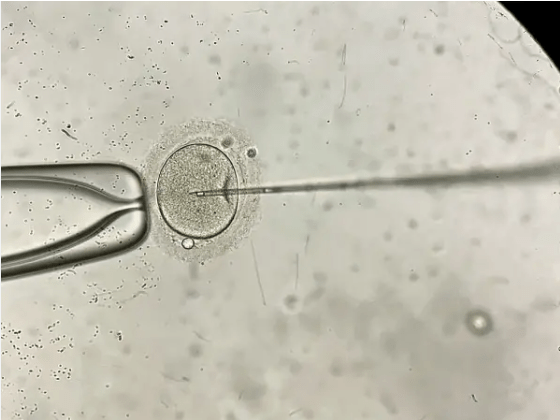
Once the eggs reach the lab, fertilisation occurs within hours. Sperm is introduced either through traditional insemination or through intracytoplasmic sperm injection.
Within 24 hours, embryologists confirm fertilisation. Over the next five days, embryos develop through several stages until the strongest embryo is selected for transfer.
Embryo quality begins with egg health, and the egg retrieval stage directly influences every later step of IVF treatment.
For this reason, many couples seek treatment under the best IVF specialist in Noida, where fertility clinics often combine advanced ultrasound monitoring with experienced embryology teams.
Final Thoughts
IVF treatment often appears complex, yet one of its most decisive steps occurs quietly in the early phase, egg retrieval. When performed with precise monitoring, correct timing, and skilled laboratory coordination, this stage sets the foundation for healthy embryo development.
Make sure to always consult with the best specialist in Noida to ensure your procedure is handled with the expertise and technological support necessary to maximise IVF success.
